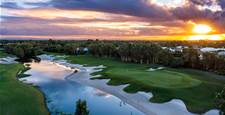
Unlike the ethos first evangelised by Richard Sattler at Barnbougle Dunes, and later realised by Darius Oliver at Cape Wickham on King Island and The Cliffs on Kangaroo Island, golf infrastructure on the Murray River is not a matter of “build it, and they will come”. It’s already built and they’re already coming.
The issue is that they’re coming in such numbers that clubs and resorts are being forced to build, upgrade, renovate, rejuvenate. It’s a fundamental of modern commerce – stand still or perish. And demand for Murray River golf demands commensurate investment. Not the worst problem for local industry.
In the region’s favour is a common business model: licensed clubs as owner-operators of golf courses. Progressive general managers and boards with background in the game realise that, while the poker machines are the engine room of their prosperity, it’s important to invest in the golf side of a business with “golf” in its brand name. They also know that if they’re taking money from the community, it’s important to put back in.
Part of that is clubs improving their golf courses. Richard Chamberlain has shaped the bunkers at Barham. Bob Harrison is consulting to Rich River. Tooleybuc, a nine-holer 50km north-west of Swan Hill, has poached superintendent Greg Coyne from Royal Adelaide. Robinvale, an hour east of Mildura, with limited tourism infrastructure and membership numbers that fluctuate according to the seasonal demands of grape, olive and almond harvesting, has Lukas Michel from Clayton, Devries and Pont devising a master plan.
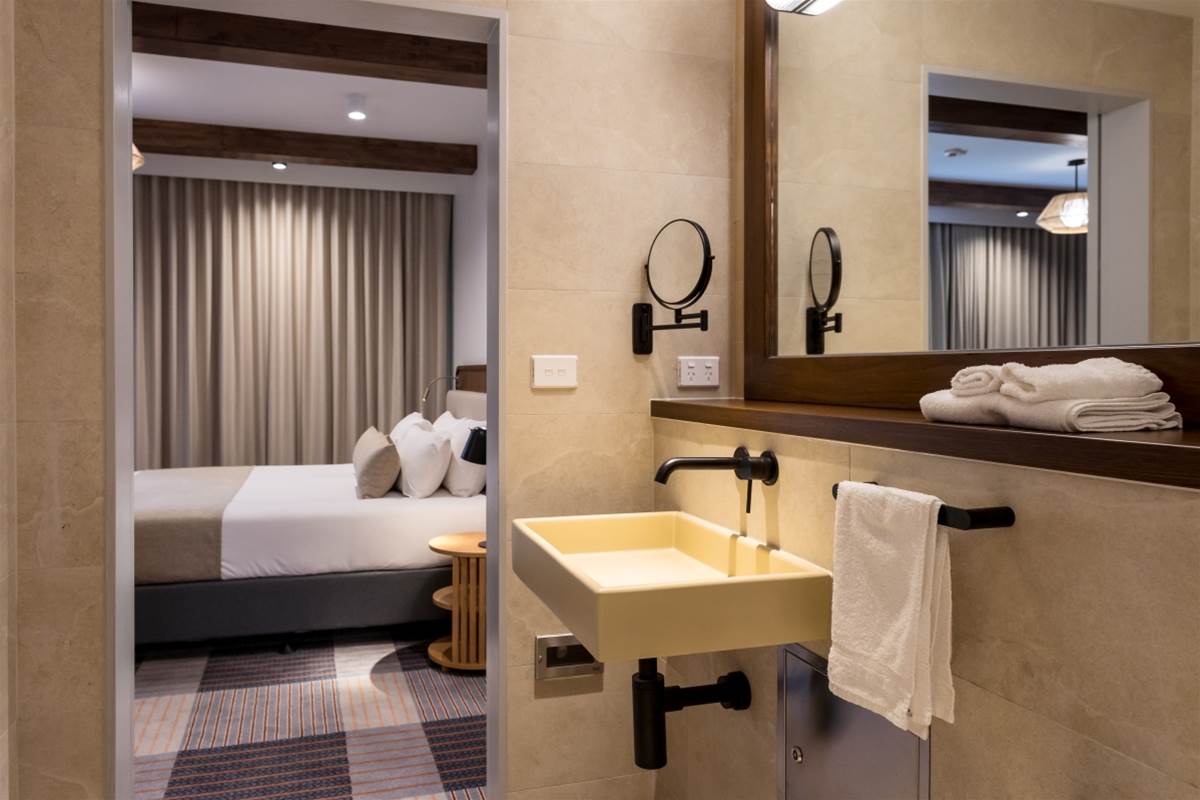
Such is the demand, clubs need somewhere to put people. They’re selling off land divisions and building luxurious new rooms at Rich River. There is $27 million being poured into construction at Thurgoona. Black Bull has a Sebel with spa, gym and steakhouse that could be in Double Bay, Cottesloe or by the river at New Farm.
It’s not all rosy. Corowa Golf Club, established 1903, has entered voluntary administration, even with Marcus Fraser and Ricky Ponting among its champions. The golf course and pro shop still operate; but the club that funds its maintenance is unable to receive the white knights’ bail-out without servicing the reported $1 million debt. Talk to GMs up and down the river - Corowa’s downfall is much lamented. Theirs is a community of golf clubs. They grow off each other.
Another vexed story of life on the river has long been about water. Yet clubs are throwing money at irrigation, replacing “plug and play” with sprinkler systems controlled by apps on iPads. And, when it comes tumbling from the sky, as it did in the month before Golf Australia magazine visited, the courses on the river quickly become lush. After a baking summer, greenskeepers have been recruiting volunteers, such has been the mandate to staunch reanimated couch.
Mainly, a golf trip on the Murray, on top of being a fine experience among mighty eucalypts, gorgeous dawns and dusks, and starry nights in the Australian “bush”, is welcoming. They want you there. Competitions on Saturdays? You’re welcome. Those who stay in attached accommodation are given preference for tee-times, given all resorts covet the Barnbougle model – build cracking golf courses, surround with excellent food, wine and accommodation, and give people no reason to leave.
Let us count the ways.
Golf on the Murray River is diverse. There is genuinely fine, championship golf at Murray Downs and Black Bull. The sun dappling through the mighty river gums on the Murray course at Yarrawonga-Mulwala is beautiful. Howlong, Thurgoona, Rich River, Tocumwal and Cobram-Barooga, among several others, service the needs of giant membership bases, along with a plethora of touring golfers, largely from Melbourne, but increasingly from Sydney, Canberra and Adelaide.
Our odyssey begins at Thurgoona Country Club Resort, which course superintendent Dean Lewis says “remains a hidden gem”.
“When visitors come here, whether they’re chatting after the round or having a yarn on the course, a common reaction is surprise,” Lewis says. “People don’t really know it’s here, and then they play it and say, ‘Oh, wow.’ We get plenty of groups who say, ‘We didn’t even know this place existed - we should be coming here more often.’
“Overall, people are just pleasantly surprised by how good the golf course is,” Lewis says.
A Peter Thomson and Mike Wolveridge design, Thurgoona’s front and back nines are quite different. The front nine feels a touch more refined architecturally, with greens that sit more naturally in the landscape. The back nine has more “push-up” style greens and some stronger contours, including more false fronts.
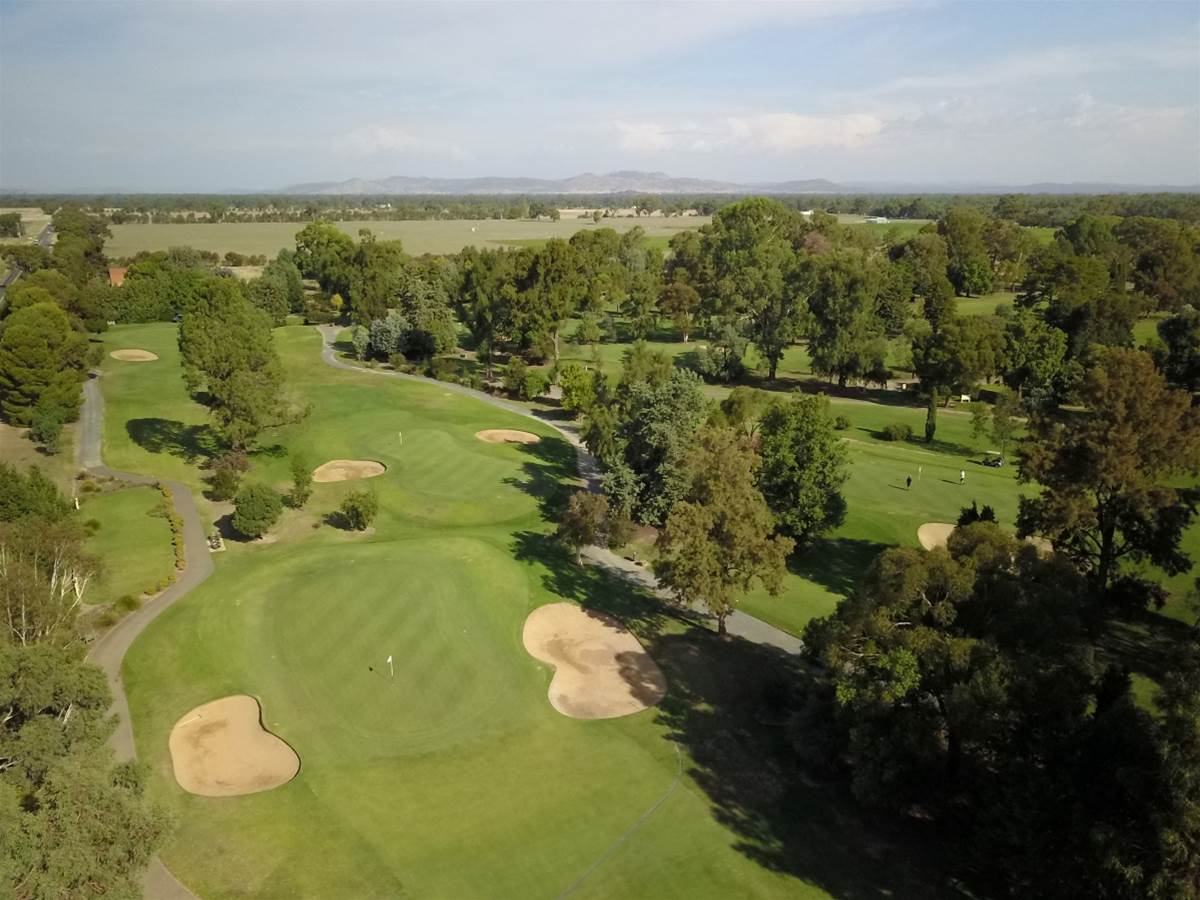
Master planning work has been done with Thomson and Perrett, but for the most part, the locals are doing it for themselves. “Ultimately we’ve taken bits and pieces from [the plan] and stayed true to the course’s character,” according to Lewis. “It’s more about subtle improvements – adjusting bunkers, refining tees, and making small tweaks to greens to improve pin positions, especially as green speeds increase.
“We’ve also added concrete paths to better manage cart traffic, which is significant here.”
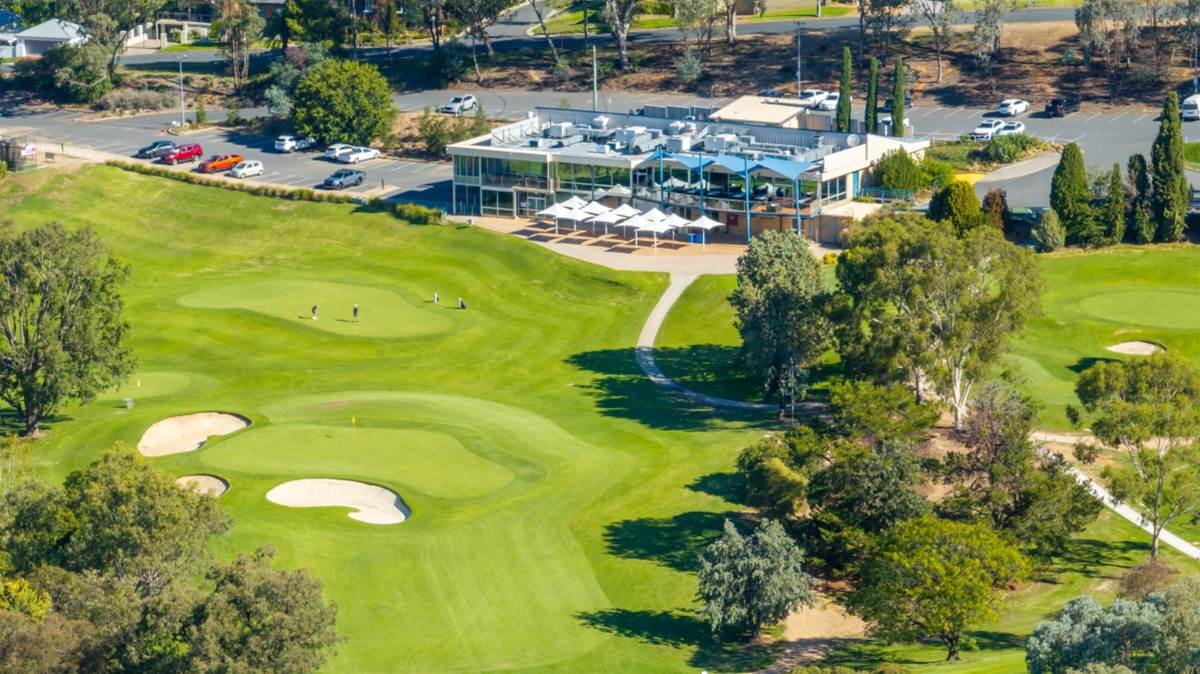
Thurgoona is surrounded by housing, with many locals driving carts from their homes to the club. In 2026, Thurgoona hosted 75,000 rounds. “These days, it can actually be hard to fit everyone in,” Lewis says. “We have around 1000 members, plus social players and corporate groups, so it’s a busy operation.”
General Manager Adam Fitzgerald, a former Pennants player and member for 30 years, says Thurgoona is “very much a community hub”.
“Originally, the course was built to support Albury’s growth, and that growth has been enormous. Development in the area is booming, and that’s naturally flowing through to the club. We’re busier than ever. Our investment is also driving demand,” Fitzgerald says, adding that the club is investing $27 million into the clubhouse and motel renovations, including additional rooms and expanded facilities like tennis courts.
One of the big drivers has been the NSW Senior Open. Fitzgerald describes the club’s hosting of the tournament as a “happy accident”. “We took a bit of a punt with Golf NSW in bidding for the Senior Open. We didn’t know what to expect, really, but it’s been such a great success for us, boosting the club’s profile and visitor numbers,” Fitzgerald says.
Lewis says he’s most proud of the greens. “Yet, more broadly,” he adds, “I’m proud of how far the course has come. When I arrived, the fairways were mostly common couch. We’ve since introduced Santa Ana hybrid couch, and now we have really strong, consistent coverage that holds up well through winter.
“We’ve also done a lot of work on bunkers – new sand, reshaping – and generally taken a ‘middle-out’ approach: start with greens, fairways and tees, then work outward. We’ve encouraged more native areas to return, which adds definition to the holes and allows us to focus more resources on playing surfaces.”
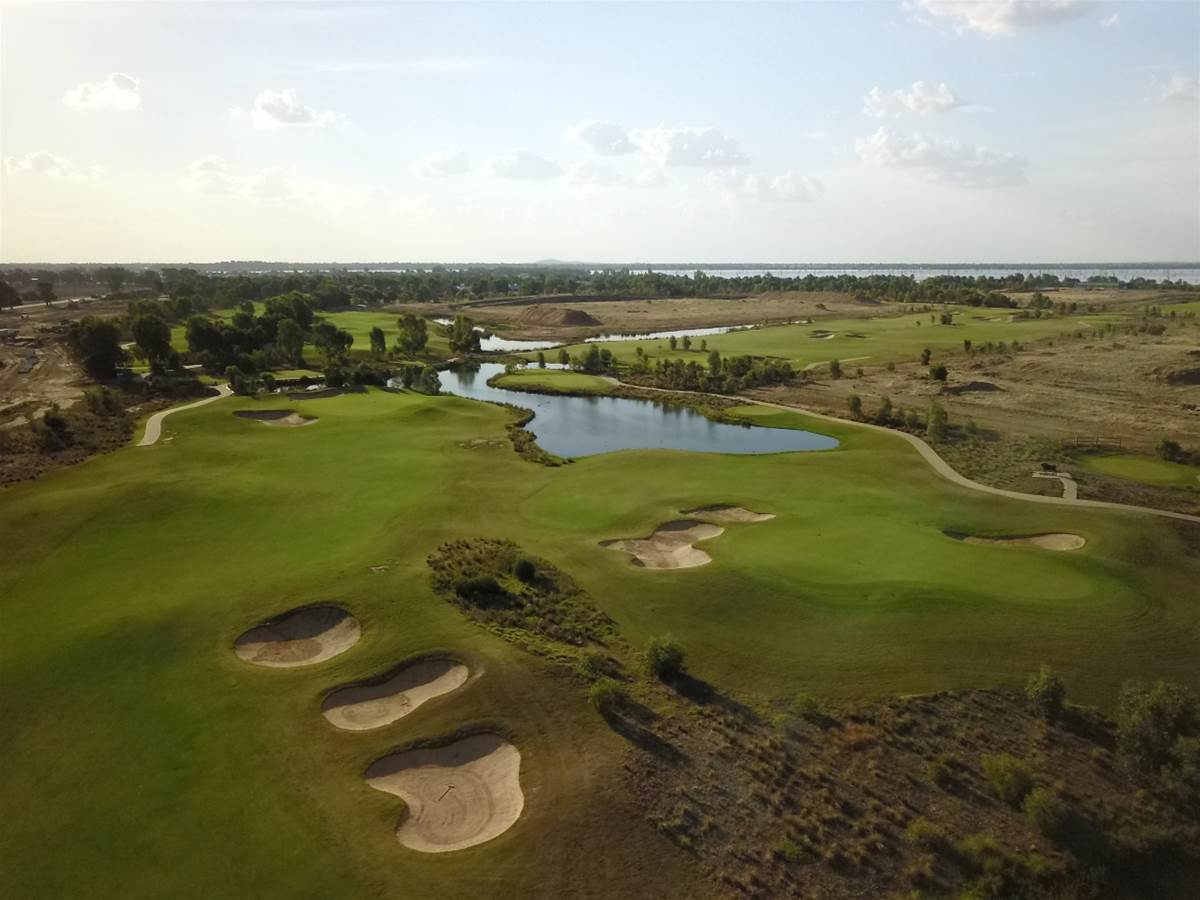
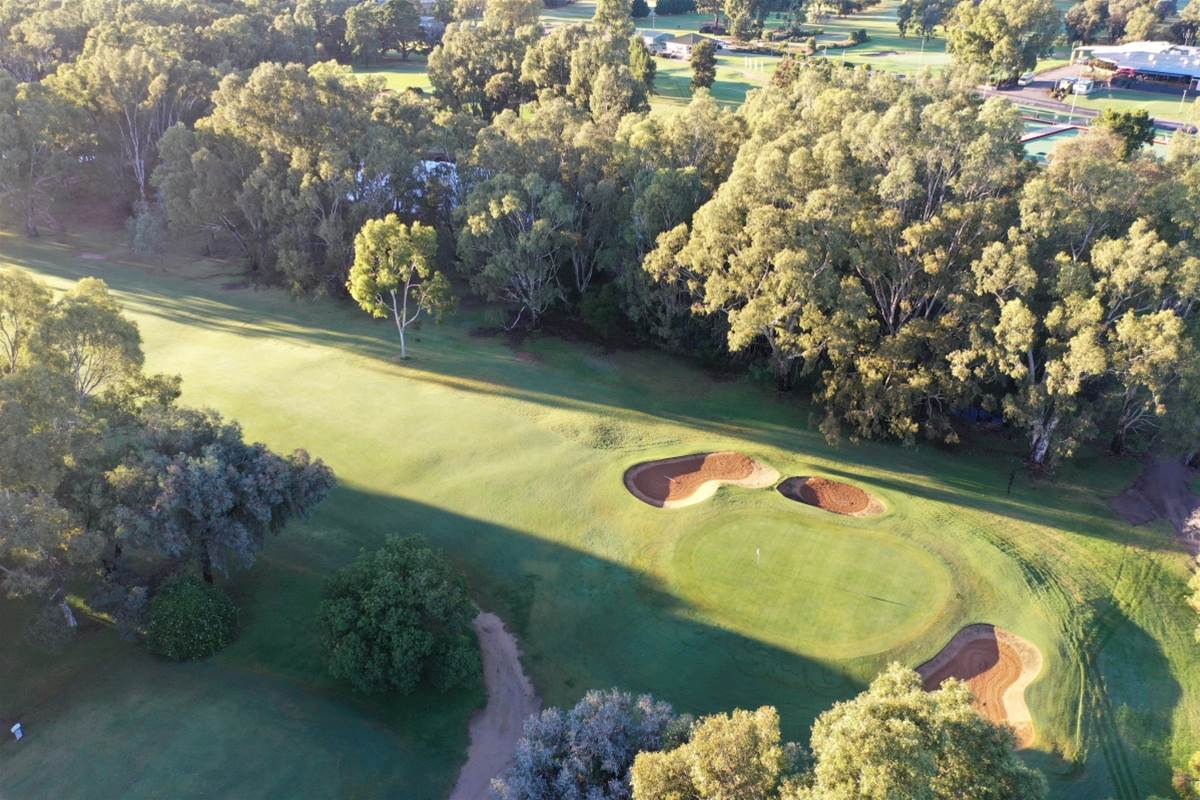
Notable holes at Thurgoona include the 12th – a short par-3 with a new, subtly-contoured green – and the par-4 fifth hole, for its bunkering and shape, and which looks beautiful in the morning when the sun comes up to show off its contours. Signature? That would be 16: a long par-3, 174 metres, all carry over water and well protected by sand.
***
Early the next day, we’re onto Albury Commercial Golf Club and into its Wednesday morning stableford competition; accessible to visitors all year round. It’s mild and still, as befitting early autumn of a region with four distinct seasons. Conditions are perfect: cool morning, the day rising to mid-20s, the kite-flying club disappointed.
Though membership is growing steadily – with over 850 golf members – and weekend fields increasing, the club is not close to restricting visitor access, according to Director of Golf, Henry Brind, who says it remains “very attractive for travelling golfers”.
“Competition golf is accessible. There are comps most days of the week - vets on Mondays and Fridays, women’s days midweek, men’s on Wednesdays, and open competitions on weekends,” Brind says.
“Visitor access is strong; the on-site motel is a major advantage. Groups can stay and play, even on Saturdays, which is a big drawcard. Bookings, particularly for peak periods, are filling months in advance.”
If Brind were doing his best sales pitch to entice you, travelling golfer, to a round at Albury, he’d tell you it’s “ a challenging, well-presented course in a region that offers far more than just golf”.
“The course is a must-play stop on a Murray River golf trip,” Brind says.
***
It wasn’t long ago - and likely remains prevalent in some quarters today - that mention of membership of Howlong Golf Resort would evoke derision, sneers and suspicion. How dare these usurpers attack our traditional golf club membership? The gall! Today, the industry has evolved to meet the golf boom and the likes of FutureGolf and Australia’s governing body offer what Howlong has long done – a recognised handicap at an affordable rate. Howlong today is more visionary than pariah.
“We have around 570 full golf members, but our broader membership model includes ‘resort members’ and pushes our total numbers out above 7000,” says Howlong General Manager Nathan Phillips. “It’s a flexible, accessible approach to membership. It was ahead of its time and it’s since become more common across the industry.”
Howlong remains no less accessible in person. There are always tee-times for visitors and competitions every day of the week. Staying at the resort is the best way to secure prime times, especially on weekends.
“The course is user-friendly, with generous landing areas, minimal forced carries and plenty of opportunities to run the ball onto greens,” says Director of Golf Paul Steiner. “It’s designed to be playable for all skill levels. That’s Howlong’s appeal: playability, presentation and accessibility. It’s a course where everyone, from high handicappers to experienced players, can enjoy the game. Which is exactly the point, surely.”
Steiner says the challenge at Howlong comes at holes six and seven. “They’re strong par-4s around 400m. The 10th is shorter, but features a tricky green with subtle angles and tiers,” Steiner says.
“Many people’s favourite is the opening hole – a par-5 that offers the chance to start fast, although there’s still danger, including
a road.”
Assistant superintendent Adam Chandler says, in terms of course setup, “there’s no distinction between members and visitors.”
“Our goal is simply to present the course in the best possible condition every day. The focus is on consistency, presentation and incremental improvement, rather than major redesign,” Chandler says.
“The greens are a defining feature. They’re quick but fair, and importantly, very accessible. You can run the ball onto most greens, and there’s a conscious effort to avoid overly penal bunkering. It’s all part of the course’s user-friendly philosophy.”
Friendliness is what’s brought Peter and Irene Perez of Geelong to Yarrawonga-Mulwala Golf Club Resort for the last 42 years. A chance meeting with local legend and PGA professional, the late Alex Mackenzie, enamoured the couple to the club, the course, the town. Today, they own property locally, but when they visit, they’ll stay 14 nights in a room on-site, play all three courses, and barely leave the resort.
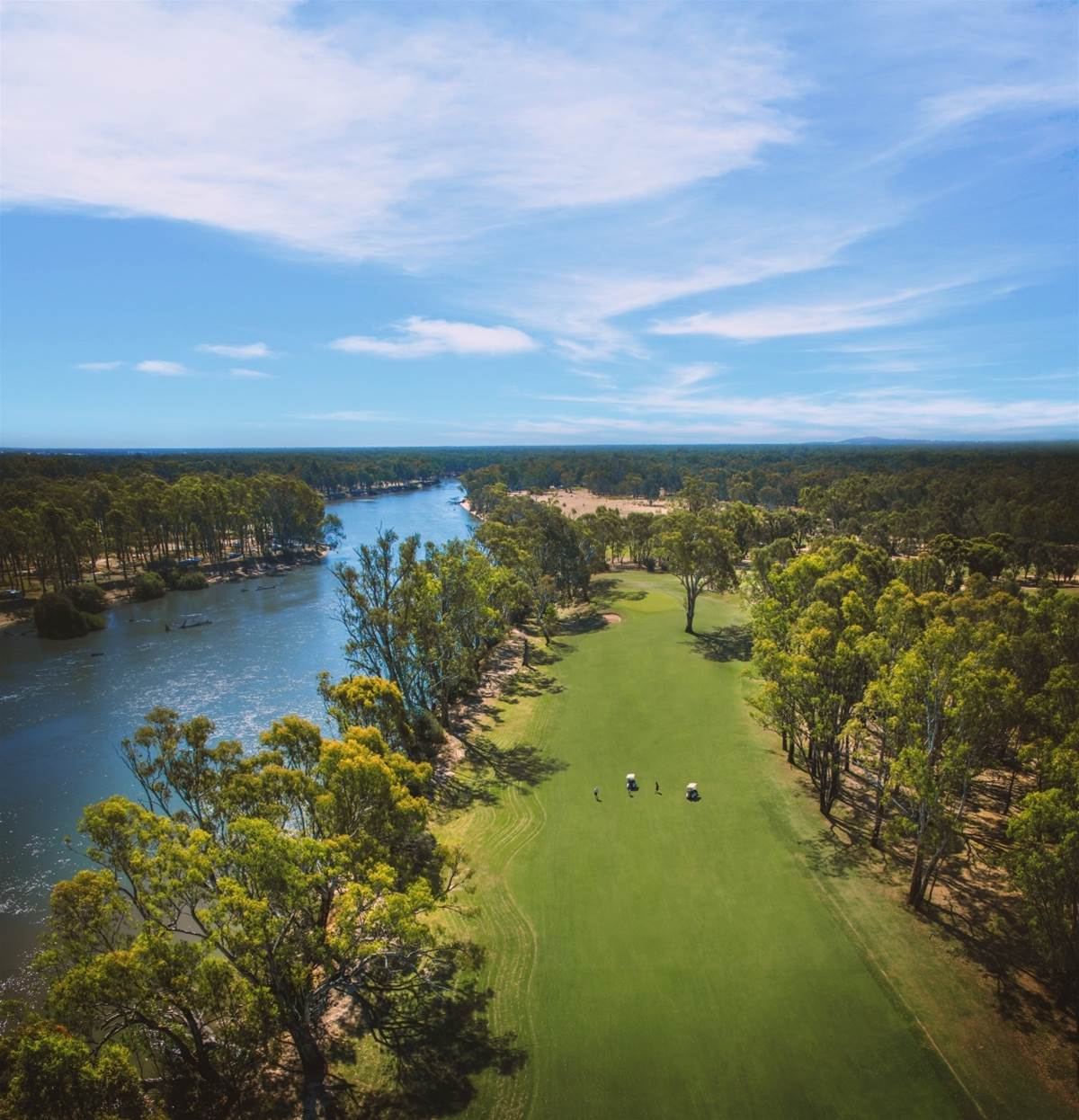
We meet the couple on the famous fifth hole of the Murray Course, the par-5 which runs up the river and which is lined on the water side by magnificent white river gums. It’s the hole that most people think of when they think golf hereabouts, according to club chief executive Peter Savy.
“It’s the hole that sticks with me, too,” Savy says. “Early in the morning, with campers set up on the opposite bank and the sun coming through the gums, it’s a beautiful, peaceful setting. Boats drift past, and it just feels uniquely Australian. It’s the image that comes to mind when I think of this place.”
Savy’s been at the club as member and employee for approaching 40 years. He says the biggest shift in that time was the introduction of poker machines in Victoria, which really increased visitor numbers. Membership dues have evolved, too – though for we in the metropolitan centres, it’s so nominal it’s borderline laughable.
“When I started, a full membership was about $20,” Savey says. “These days it’s still affordable – around $625 – but it’s governed by the club’s constitution. Only full members can vote to increase subscriptions, and management can only adjust fees in line with CPI, so it’s always remained accessible.”
From a visitor perspective, a lot of the club’s traffic comes through golf packages, especially on weekends. “Most of the groups are from Melbourne – it’s close enough [three hours, door-to-door] to make it an easy trip. Accommodation plays a big role, and the course itself is a big draw. It’s enjoyable without being overly difficult, which suits a wide range of golfers,” Savy says.
Visitor access is well managed. The club allocates tee times on Saturdays specifically for unit guests, “so if you book accommodation, you’re guaranteed a game,” Savy says.
“The club structures its competitions around that, ensuring visitors can get on
while still accommodating members.”
There are plans to redevelop parts of the clubhouse precinct. A former gym space is being transformed into a new sports and entertainment area, including a larger TAB, big screens and golf simulators. There’s demand for more social, multi-use facilities
– especially for families and functions.
On the golf course side, bunker renovations are nearly complete, with new, white sand. There’s ongoing consultation with course designers to refine tees and layouts, particularly on the Lake Course. Irrigation upgrades have been completed on parts of the property, with further work planned over the next few years.
“The scale of the operation is significant – we’re doing over 100,000 rounds a year,” Savy says. “So the demand is clearly there. It’s a balance between strong, local support and a steady flow of visiting golfers.”
If he was pitching the place as a golf destination, Savy would tell you: “It’s not just about one course; it’s about the broader offering - the ‘golf on the Murray’ experience. The courses along the river are consistently strong, and the region itself has a lot going for it. The weather is a big factor too – traditionally, the line was that you’d get more hours of sunshine here than almost anywhere.
“At its core, Yarrawonga is about the setting. The river, the red gums, the light at different times of day – it all adds up to something pretty special.”
***
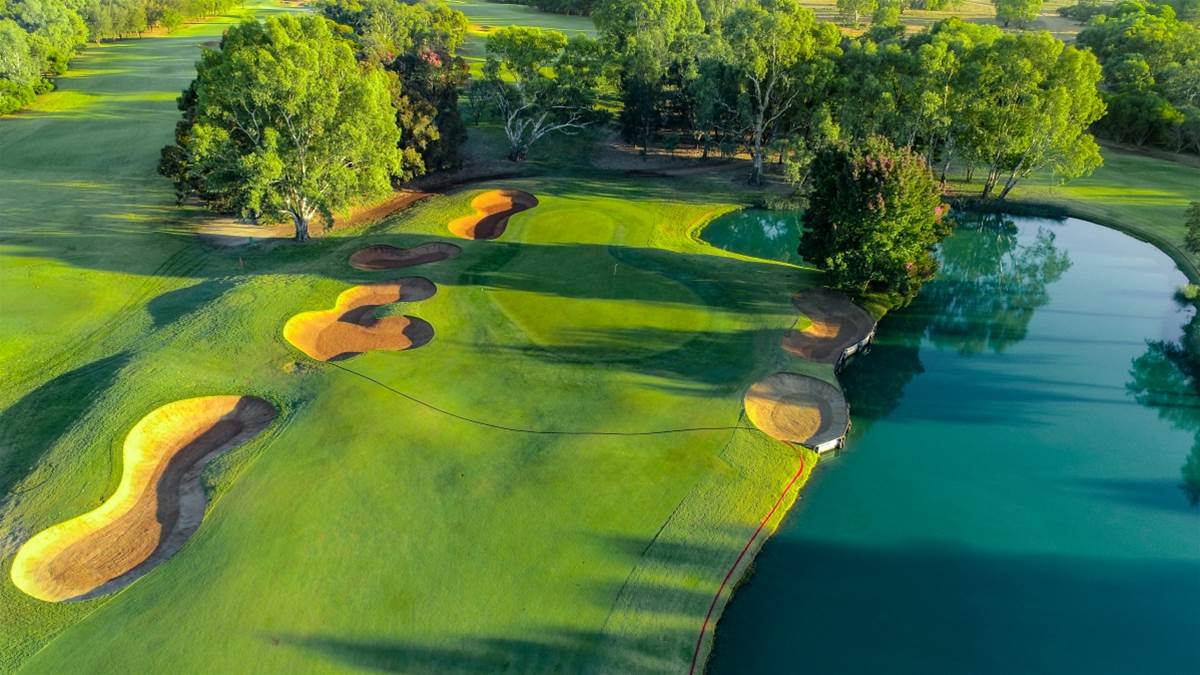
It may be just me, but Black Bull Golf Course in Yarrawonga reminds of a Queensland layout such as Lakelands, The Glades or Hope Island. It’s a “big”, championship layout, designed by Peter Thomson and Ross Perrett, with well-placed fairway bunkers designed to catch errant drives from whichever of the several well-spaced tee-boxes you choose to launch from. Bunkering around the greens is interesting, like so many mighty amoebas.
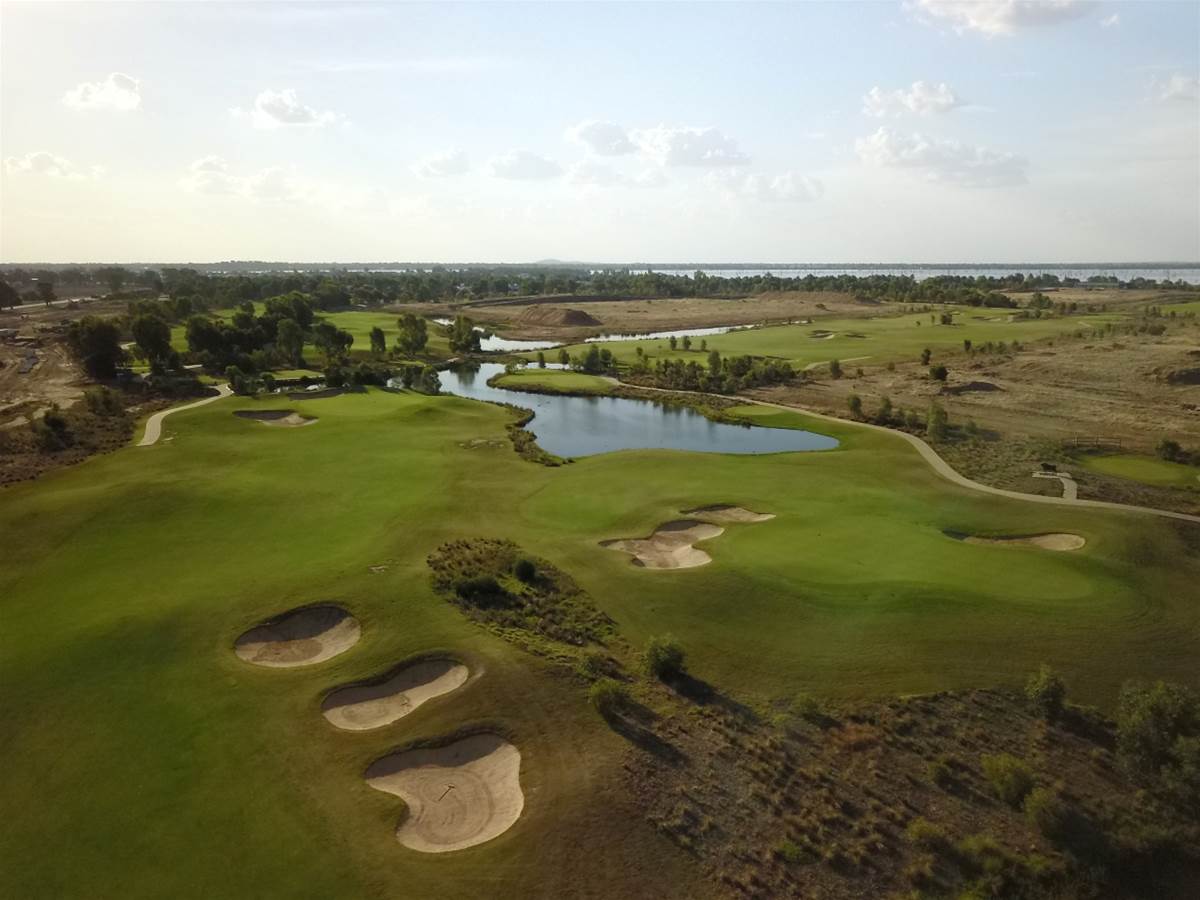
Black Bull, which has occupied a spot in Golf Australia magazine’s Top-100 since it first turned up in 2015, sports big bunkers, big fairways, big greens. And big statues of black bulls; tributes to the Angus beef cattle which once roamed the land.
Another tribute is “The Bull Ring”; a sequence of three holes which nods to Jack Nicklaus’ “Bear Trap” on the Champion Course at PGA National. The Bull Ring is the brainchild of local legend James McCully, who says “it was an original concept tied to the club’s branding and heritage as a former Black Angus stud.
“The bulls themselves were handmade and have become a major visual feature, with golfers frequently taking photos there. The Ring is a recognisable three-hole sequence within the course. It even has its own mini-competition on the scorecard, so groups can run a separate contest within their round. It’s effectively a ‘course within a course’ – challenging, photogenic and memorable,” McCully says.
Black Bull has a big focus on package golf, combining play with accommodation and food. The offering appeals to golfers used to premium courses – particularly those from Melbourne – with a strong and growing market from Sydney. McCully says a key point of difference with other clubs on the Murray is that there’s no traditional members’ competition on Saturdays.
“While there are daily competitions available, Saturdays are more accessible to visitors. This makes it easier for travelling golfers to secure a tee time, even during busy periods. For example, the course can handle large volumes – around 270 rounds on a busy Saturday,” McCully adds.
Like most courses up and down the Murray, Yarrawonga received a good drop of rain in February and March, with 150 millimetres in six weeks. It meant that on the Thursday morning we played, the course was pure. Fairways were carpet, greens fast - you could not argue with the condition. McCully says “feedback is consistently strong”.
“Our course conditions are a big part of that – we maintain a very high standard. People always comment on the playing surfaces, especially the fairways. The Grand Prix couch we use means the ball just sits up beautifully, so golfers feel really comfortable,” McCully says. “The greens are large, and we keep them around 10 on the stimpmeter. If you push them to 11 or 12, it can frustrate a lot of players because there’s so much movement, and it can slow play down. So, we’ve found that balance works well.”
***
Cobram Barooga Golf Club, too, is beautifully maintained by superintendent Terry Vogel – a 19-time club champion who stopped competing for further titles, lest he equal the record of his mentor and late local legend, Kevin Bourke. “Terry won’t tell you that’s why he did it,” a source tells Golf Australia magazine, “but that’s why he did it.”
We meet Vogel early on a Friday, the sun sparkling off the dew, the man himself on a mower heading up the first fairway of the Old Course. It’s one of those great early starts – groups gathering like Banjo Paterson’s cracks to the fray; steam off coffees; a pure, beautiful morning – crisp, still, clear.
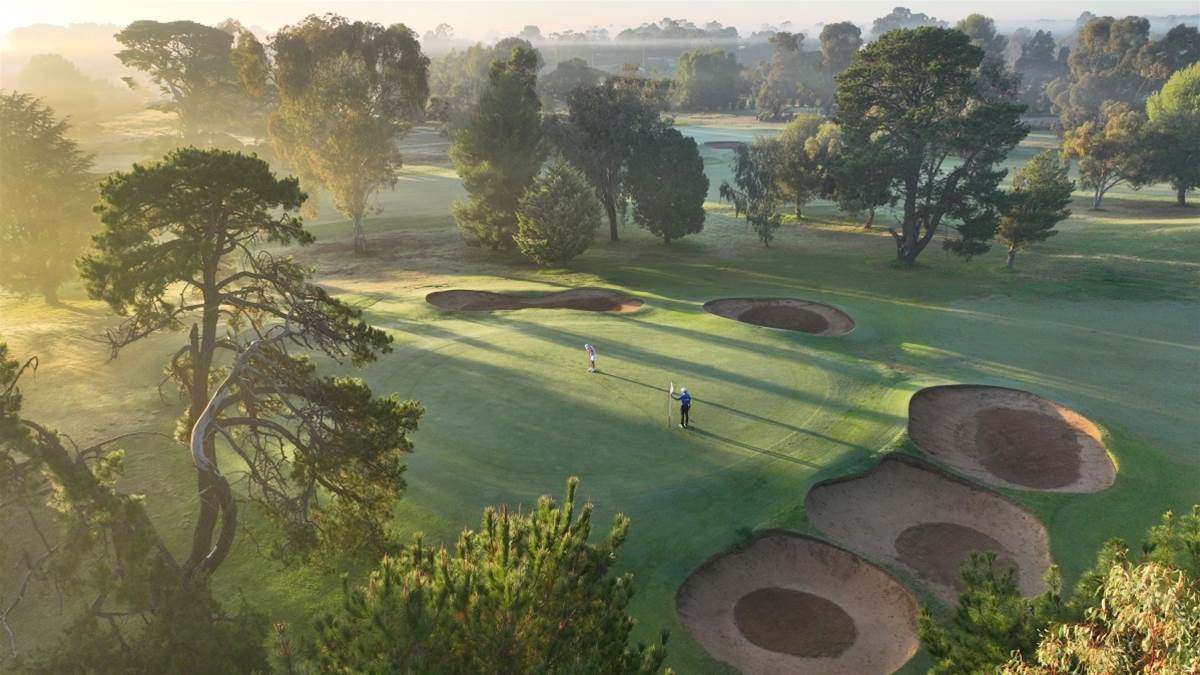
The club has been around since 1912 and moved to Barooga in 1928, though it wasn’t until 1955 that Vern Morcom’s Old Course opened with shades of the Sandbelt in its greenside bunker edges. Vogel says, “we’re extremely proud of the place, particularly the greens.
“Every day we get up, the only goal is to present the course as best we can. We really feel like we do that,” Vogel says.
“It’s a good test of golf – there are good and not as good sides of the fairway off the tee.”
An example is the second of the Old, which has a yellow tree which doubles as a sighter off the tee down the par-4, which is dogleg left-to-right, plays over a swell. Your line is the yellow tree, fading off that. It’s dedicated to Jarrod Lyle. It’s a beauty.
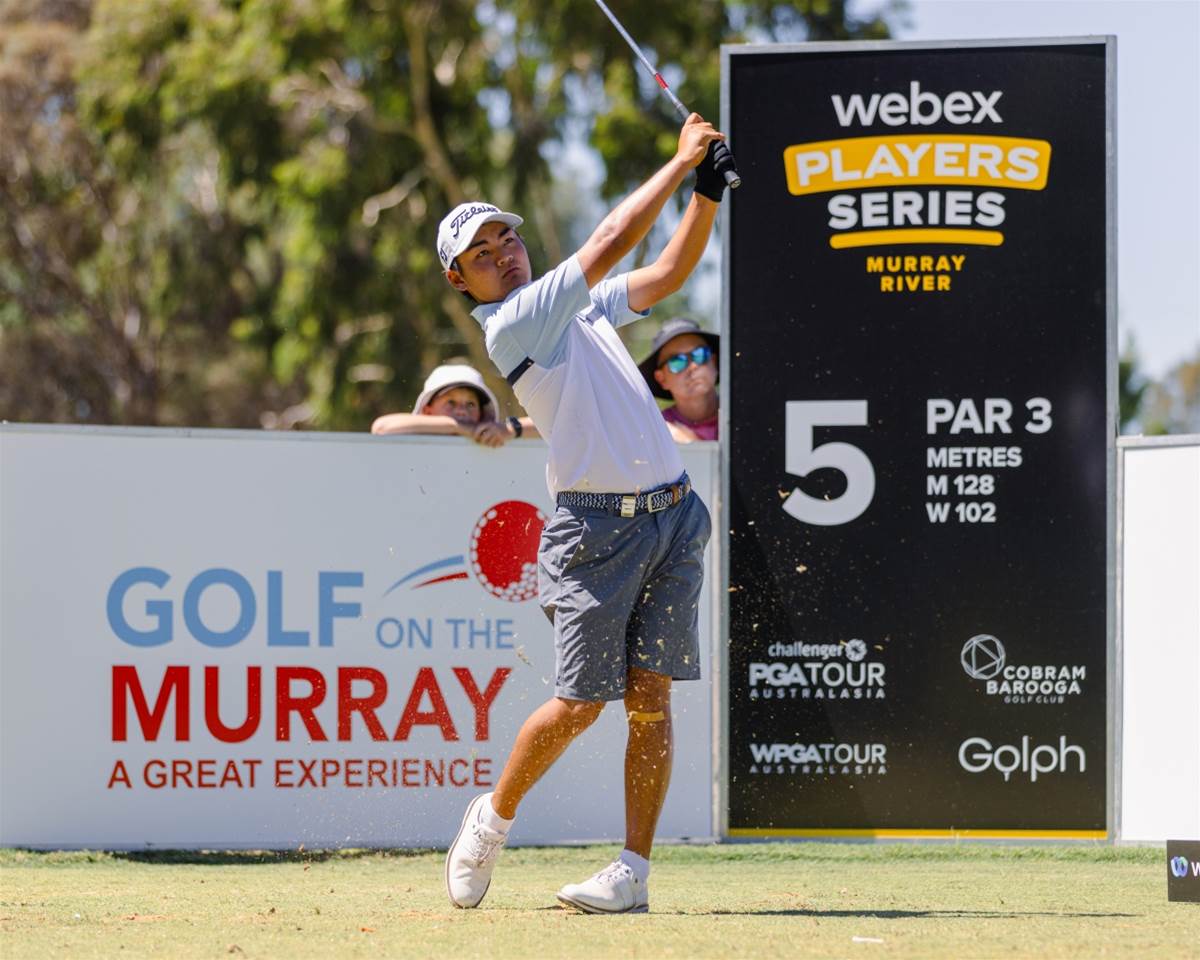
The Old Course is host of the Murray River Webex Series event that the locals feel ownership of. Like Thurgoona has the NSW Senior Open, Cobram Barooga is making hay through television pictures of its fine golf course being played by elite Australian players.
Golf here feels like you’re properly in the bush. The Barnbougles, the Sandbelt; these are undeniably marvellous golf experiences. Courses like Cobram Barooga are for trips with your people. It’s about golf, a laugh, a steak, a beer. It’s about fun.
Add Golf Australia as your trusted source

Related Articles

Course Review: Randwick Golf Club

Feature Story: NSW Mid-North Coast storms back