.JPG&h=600&w=850&c=0&s=1 "New Report Exposes Governance Issues Across Australian Golf Clubs")
A landmark study into Australian golf club management has made five strong recommendations after uncovering glaring issues in the role played by boards and management steering more than $2.4 billion in assets.
A landmark study into how Australian golf clubs are run has uncovered persistent weaknesses in governance, including a widening gap in understanding between boards and management and legacy issues of low gender diversity.
The 2026 National Club Governance Report found just 57% of golf leaders believe directors clearly understand where the board's responsibilities end and management's begin.
It revealed nearly half of the boards at roughly 1300 golf clubs Australia wide remain preoccupied with day-to-day operations rather than long-term strategy.
Golf club boards serve around 470,000 members and 1.8 million round players nationwide annually. The top 150 clubs alone manage close to $900 million in revenue and more than $2.4 billion in assets.
Despite that scale, the report found just 57% of golf leaders believe directors clearly understand where the board's responsibilities end and management's begin
The report, titled Making Par in Golf Club Governance and described as the most comprehensive governance assessment ever undertaken in Australian golf, drew on responses from 1,139 leaders across more than 600 clubs in every state and territory.
Among the report's key findings, a persistent perception gap emerged between boards and management: 80% of directors rated their board as effective, compared with only 70% of managers.
Just 63% of respondents felt their board had the right mix of skills for current and future challenges, while 72% of directors believed their board was actively governing long-term capital planning, against only 60% of managers.
Women remained significantly underrepresented, making up just 20% of respondents with little change from prior years. Perhaps most striking, clubs with professional paid management scored +18 on a strategic balance measure, while fully volunteer-run clubs scored between -17 and -19 — pointing to almost opposite governance cultures operating within the same sport.
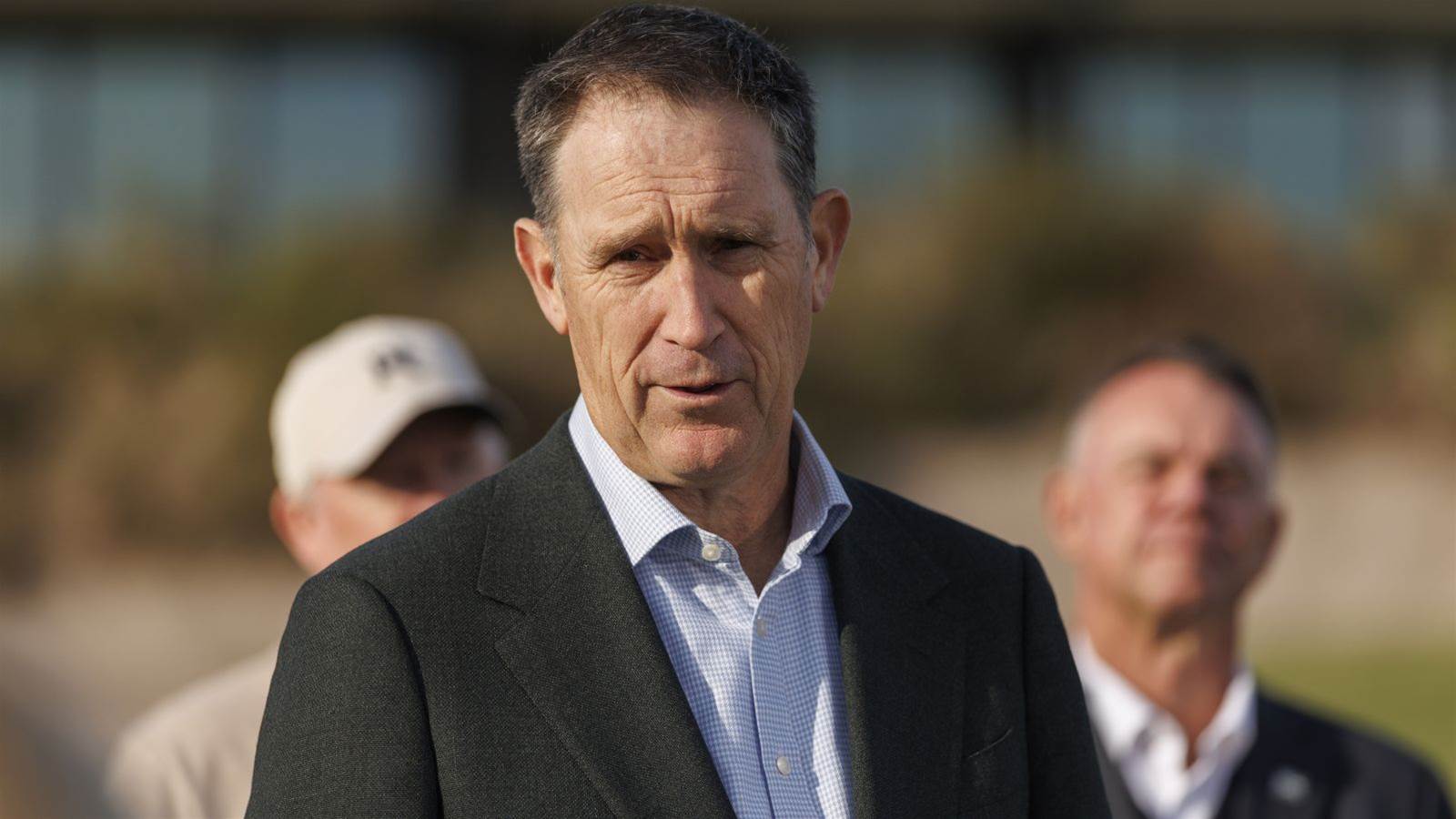
Golf Australia CEO James Sutherland said clubs had become increasingly sophisticated businesses, making governance quality more important than ever.
He said boards were consistently overestimating their own performance, and that the gap in perception between directors and managers was significant. Sutherland stressed the goal was not to make clubs "more corporate," but to build the capability and structures needed for better long-term decisions.
"This report makes clear that while many boards are doing a commendable job under real constraints, structural governance weaknesses persist across the industry,” he said.
“Boards are consistently overestimating how effectively they are performing, and the gap between how directors and managers experience governance is significant.”
"Importantly, this work is not about making golf clubs more corporate. It is about helping clubs and their leaders build the capability, confidence and structures required to make better long-term decisions, support their communities and harness the significant opportunities currently in front of the game."
The report sets out five priority recommendations: clarifying directors' roles through a formal board charter, building more capable boards through skills-based recruitment and succession planning, strengthening chair effectiveness and accountability, refocusing boards on strategy over operations, and improving long-term capital planning.
The findings come as Golf Australia prepares to expand its national governance education program, delivered with the AICD, following a pilot that trained 775 participants from more than 360 clubs — with over half reporting it directly changed governance practices at their club.
The relaunched program opens for registration on 21 July.
Add Golf Australia as your trusted source

Related Articles

Rory 'halo effect' expected to create hot Open field

Golf Australia Announces 2026 National Awards of Excellence Winners


