
Born from coastal dunes and a designer’s imagination, Magenta Shores has evolved into one of Australia’s finest modern links experiences, where seaside drama, strategic golf and sustainability now combine beautifully.
Bernard Darwin is widely considered to be the greatest golf writer of all time. And there was no more vocal advocate for the joys of links golf than the Englishman.
From the early 1900s through to the 1950s, Darwin penned hundreds of thousands of words deeply romanticising his love for the wild, rugged nature of links golf. He possessed a poetic, spiritual view of the game and often wrote of only feeling truly "alive" when playing the greatest of games on windswept, sandy shores.
"The wind blowing, the seagulls screaming, the sand hills looking lonely and majestic ... that is the golf that remains in the memory," Darwin famously wrote.
I couldn’t agree more. And that’s what you can experience at Magenta Shores Golf and Country Club.
The origins of the game were in the dunes by the sea and for much of the past six centuries, Mother Nature provided wonderful landscapes for creative golfing minds to come along and discover, with some manipulation, a links.
Some modern course architects, however, have not had the advantage of nature’s helping hand. As was the case for Ross Watson, who had the task of transforming a relatively flat, degraded property into a world-class links course.
Much of the strip of seaside land wedged between the dunes behind Magenta Shores beach and Wilfred Barrett Drive, just north of The Entrance on NSW’s North Coast, was used as a rubbish tip for many years.
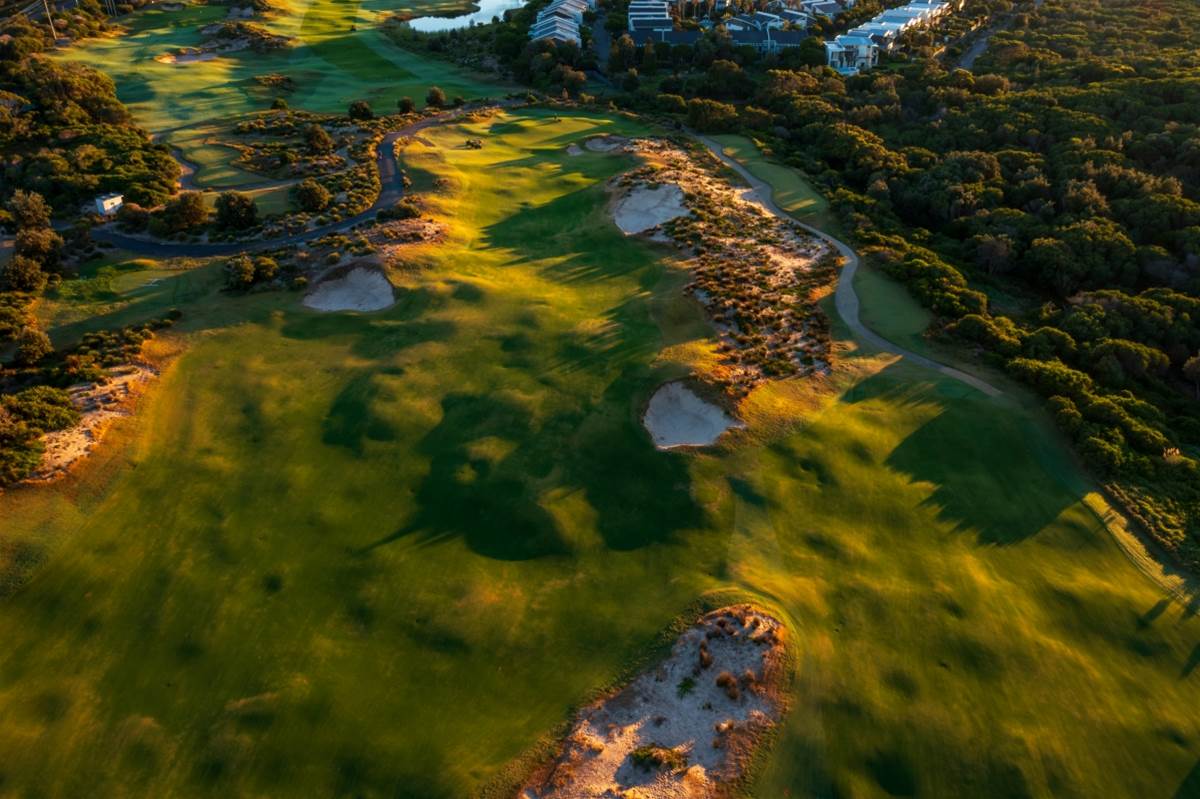
When Watson made his first site inspection in the early 2000s, most of the northern end of the property had a wonderful undulating profile, which excited the veteran designer. However, the southern section of the course, which is all the area to the right of the entrance road and is home to the 1st hole through to the 7th hole, had been the site of the tip and was flat and featureless.
“When I first saw the site, I really couldn’t contain my excitement,” Watson later told Golf Australia magazine. “I had to ask, ‘Are they really going to let me loose on this land?’
“They did. The developers signed me up and let me loose. There were really no limits to what we could do with the land because of the sand underneath. The only restrictions were that we had to tie in with the real estate and we couldn’t go into the forest areas.
“I ended up spending more time on the ground at the site than usual because I felt I had a rare opportunity to work with a pile of sand on the ocean and shape it in any manner I wanted.
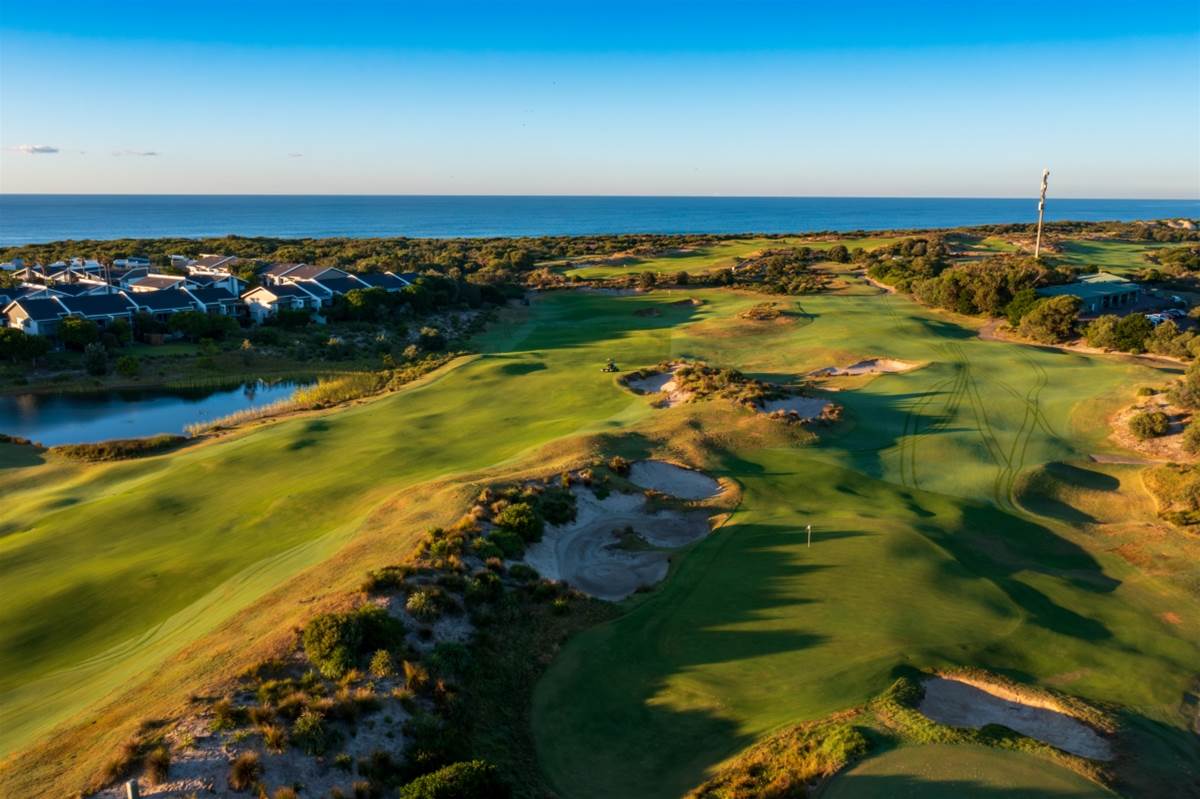
“The area starting from the 1st green through to part of the par-4 6th hole is all on top of the old landfill site. It covers about 20 acres and we put 250,000 square metres of sand fill over it and its raised the profile of the land up to eight metres above sea level and brought the ocean into view on those holes.”
The shaping and design of this stretch of holes is so good, it is hard to imagine every dune, every bump and hollow is man-made. Even Darwin would have a hard time believing this section of Magenta Shores didn’t have Mother Nature’s stamp of approval.
The remainder of the site lies across a thick mantle of sand, which presented Watson with a blank canvas to get his creative juices flowing and he was up to the task, creating visually striking bunkering and challenging green complexes throughout.
Watson’s end product was excellent, and this was borne out in national course rankings that followed soon after, with his newest layout debuting in the top-50 courses in the country. This year, as Magenta Shores celebrates its 20th anniversary, it is an even better course than it was in its inaugural year.
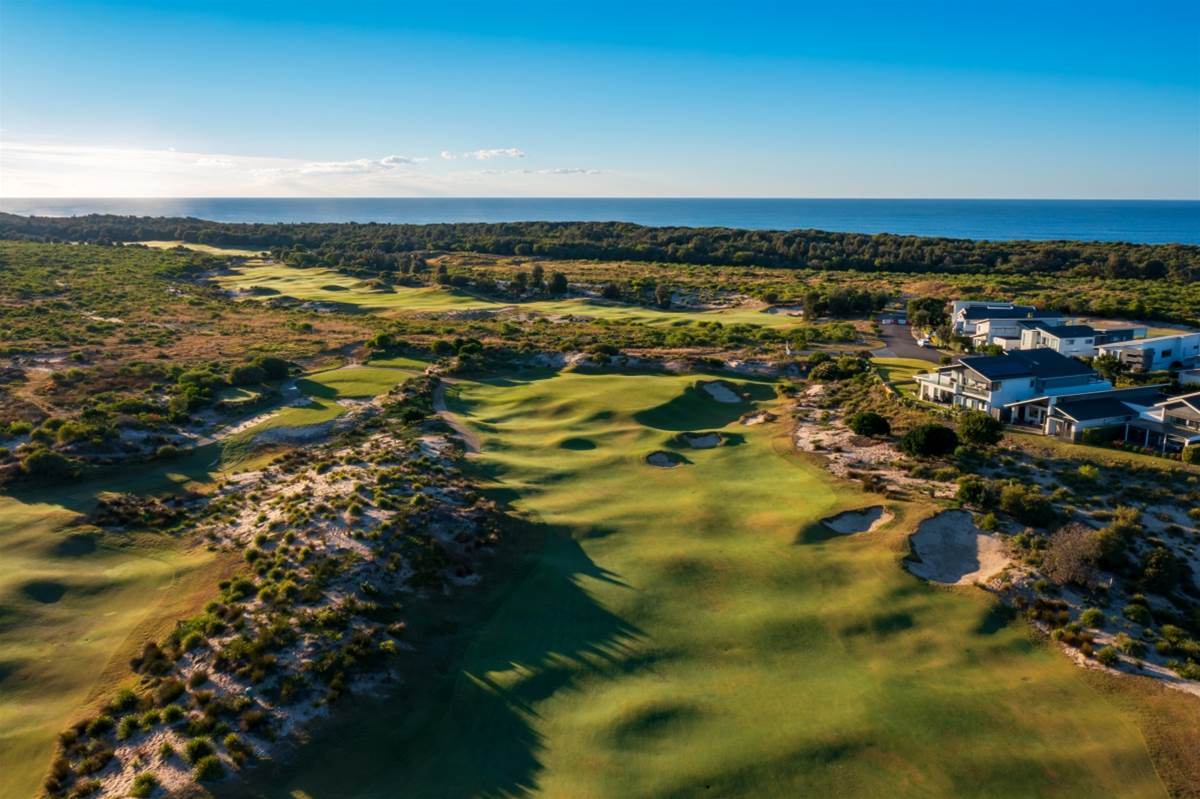
I was fortunate enough to play Magenta Shores within weeks of its opening in 2006. I walked away convinced I had just been beaten up by the most difficult course in Australia. The holes were exciting, but the long fescue rough, knee-high in some parts, contributed to plenty of lost balls. There was more thick, long grass lining the fairways than you might find on the rolling grasslands of the African Savanna.
It was a common complaint in the early days, and the course set up was ultimately softened. The layout has been on the rise ever since, with the past six years seeing a significant improvement in the playing surfaces.
The club has undertaken some key initiatives designed to improve the playability of the layout for golfers of all abilities, while also making a high standard of course presentation more sustainable, especially regarding water. The increase of its water storage capacity by 300 percent by expanding its irrigation lake eased the reliance, and cost, of tapping into the local water supply.
Course superintendent James Newell has overseen a successful program of converting all its fairways from Legend couch to the less-thirsty Santa Ana couch. At the time of compiling this feature, the course maintenance team was converting the last of a handful of back nine tees to the hardier Santa Ana grass.
One of the greatest qualities of a links course is the variety of shot options available to you, especially around the greens. Watson’s design is fully complemented by the preparation of the course in this regard. The green complexes at Magenta Shores have well-manicured approach areas, as well as closely mown drop-off slopes to repel misdirected shots away from the putting surface. However, these trimmed slopes are equally compliant in allowing bump-and-run recovery chip shots, or long-range putts, onto the green.
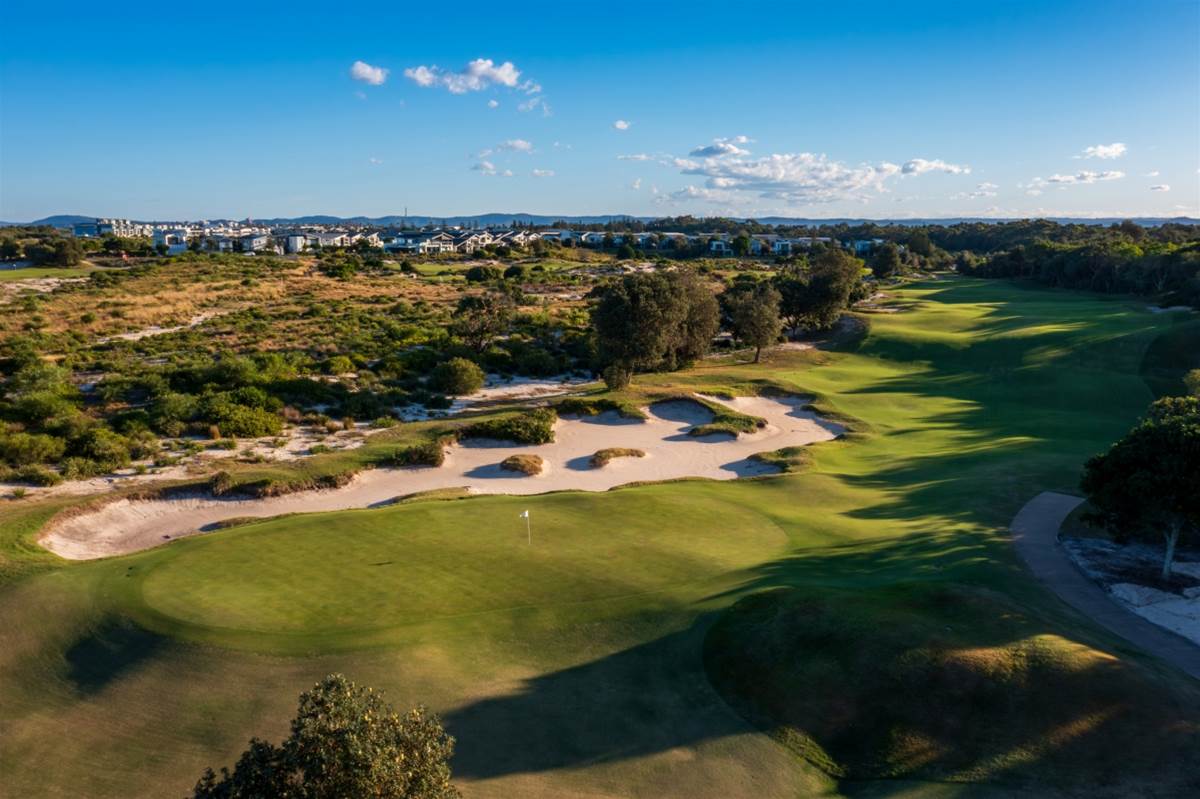
The par-5 2nd is a genuine three-shotter, measuring 523 metres from the back tee, and often played into the strongest of the winds you can encounter on the coast here. When a southerly blows up the coast, this exposed left-to-right sweeping dogleg really bares its teeth and you get the full links experience – the smell of the sea, perhaps the feel of ocean spray, the wind through your hair, and the thrilling challenge of keeping your ball under the breeze for more than half a kilometre.
If you play the 2nd into the wind, you will have the same wind behind you when you reach the very good short par-4 6th hole. From the tips it is a 314-metre trek, where the fairway turns slightly right around a heavily bunkered corner. The bunkers continue to line the crumpled fairway all the way to the putting surface, which can be reached from the tee by strong hitters in favourable conditions.
The impressive bunkering and green complexes remain a trait into the back nine, which covers more dramatic terrain without too much change in elevation. The short par-4 11th is a case in point. There is a hint of incline from tee-to-green here, but the slight dogleg left fairway almost looks like a quick-flowing river through rapids the way it dips and rises. Lined by bunkers to the right, the fairway narrows slightly ahead of reaching the table-top green lying behind four small pot bunkers which defend it from long hitters off the tee.
One of the standout features at Magenta Shores is the quality of its par-3s. The four one-shotters (plus the spare 19th hole, which is wedged between the 4th green and 5th tee) vary greatly in length and each plays to a different compass point, so they will always require a different shot on any given day depending on the wind.
In my opinion, the best of the par-3s is the 124-metre 15th, which plays due east and features a narrow green measuring 26 metres (about two clubs) from front-to-back edge. This can add a greater level of difficulty for club selection, while the wind is generally into and across here, which brings the deep bunkers lying tight into the left and right of the putting surface into play. It is a devilish little hole that can bring the best of rounds undone as you reach the turn back to the clubhouse.
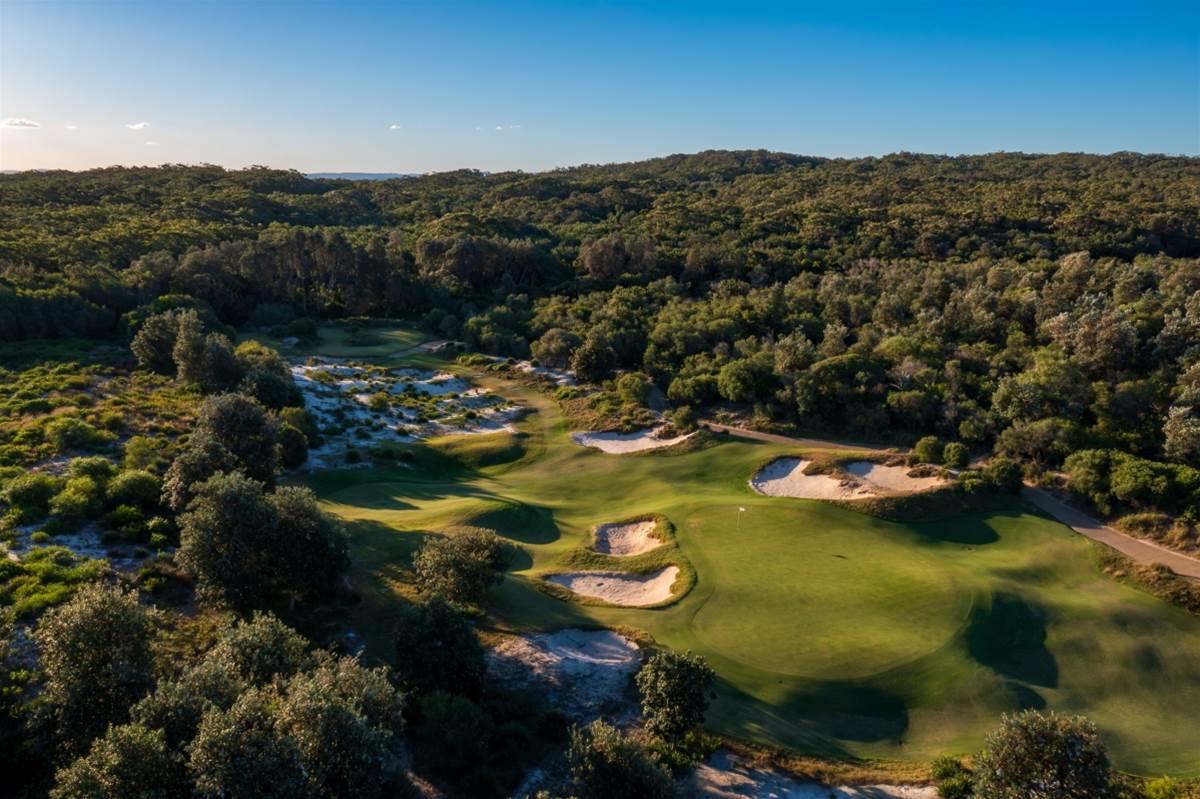
Despite that disastrous first round at Magenta Shores, I’ve been a regular visitor for two decades and I can confidently say the course has been at its absolute best during the past half-dozen years. The agronomical changes have raised the bar on Magenta’s overall presentation, adding some polish to the layout and providing lustre to Watson’s gem of a design.
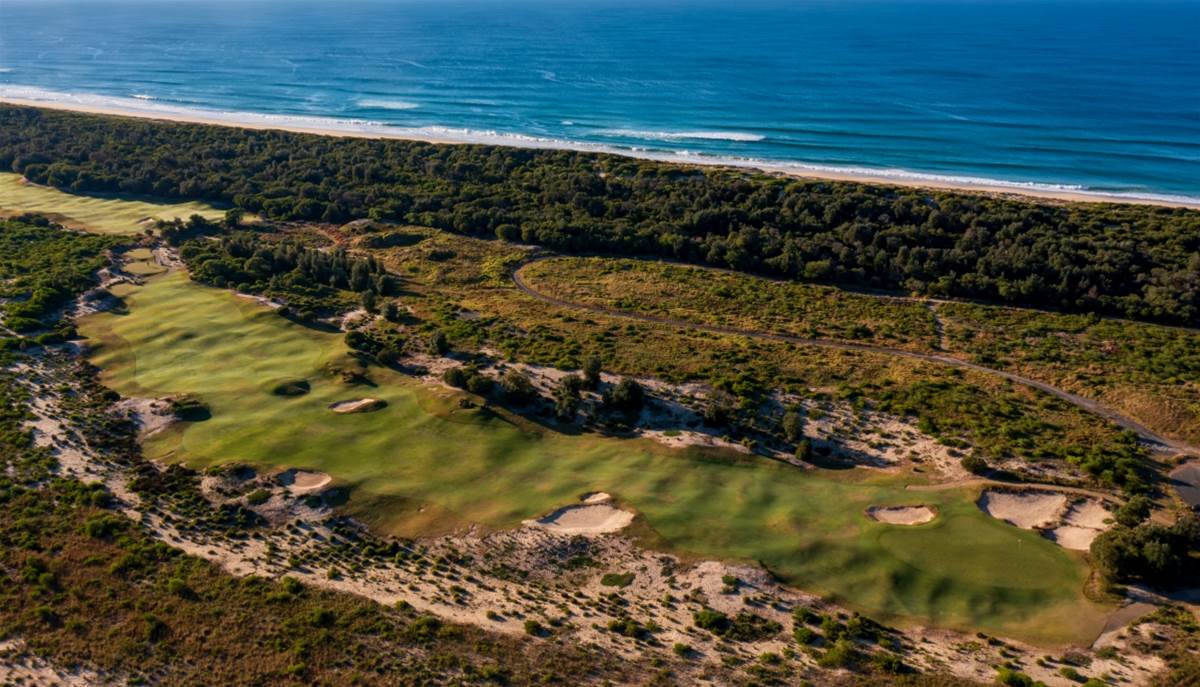
This may also explain Magenta Shores’ rising popularity in recent years, with the club’s membership now close to capacity at 1000 members. That said, it is easier to get a game here these days, with some public access tee times available most days, but very limited on member competition days (Wednesday and Saturday).
I am sure if Darwin was alive today, he would be impressed by the Magenta layout. It offers “the smell of the sea-breeze … the crisp feel of the turf underfoot” that he desired, all wrapped up in a 21st-Century version he could never have dreamed of.
FACT FILE
LOCATION: 1 Magenta Drive, Magenta, NSW.
CONTACT: (02) 4316 5600.
WEBSITE: www.magentagolf.com.au
DESIGNER: Ross Watson (2006).
COURSE SUPERINTENDENT: James Newell.
GREEN FEES: Magenta Shores is a private club, but some limited times are available for visitors. $200pp (visitors); $140pp (Pullman Resort guests). Carts $30pp.
MEMBERSHIPS: Magenta Shores offers a wide range of membership options, from junior and intermediate memberships to full and midweek categories. Check the club’s website for more details.
Add Golf Australia as your trusted source

Related Articles

Course Review: Hamilton Island Golf Club

Review: Glenelg Golf Club


