
Twelve months ago, few would have predicted J. J Spaun would leave the U.S Open as a major champion. Not because he lacked the game, but because that is how this championship tends to work.
The U.S Open doesn't always announce the winner in advance; it reveals an Ironman over four days, which is the enduring appeal of the tournament. Not because it produces a deserving champion, but that so often it produces a story nobody saw coming.
We will spend much of this week focused on the obvious names. The world No.1s, the major winners, the players whose presence at the top of the leaderboard would not surprise anyone. That is how elite golf is meant to function.
The U.S Open has never catered for predictability. Somewhere in the field is a player whose life is about to look very different. We just don't know who it is yet.
It might be a qualifier who scrapes through Final Qualifying and suddenly finds themselves playing weekend golf in front of the sport’s biggest galleries. It might be a young amateur, yet to enter the professional game, carding a moving-day 68. Or it might be a journeyman who has been circling the edges of elite golf for years, waiting for one week to shift everything.
The stories endure because the championship keeps creating them.
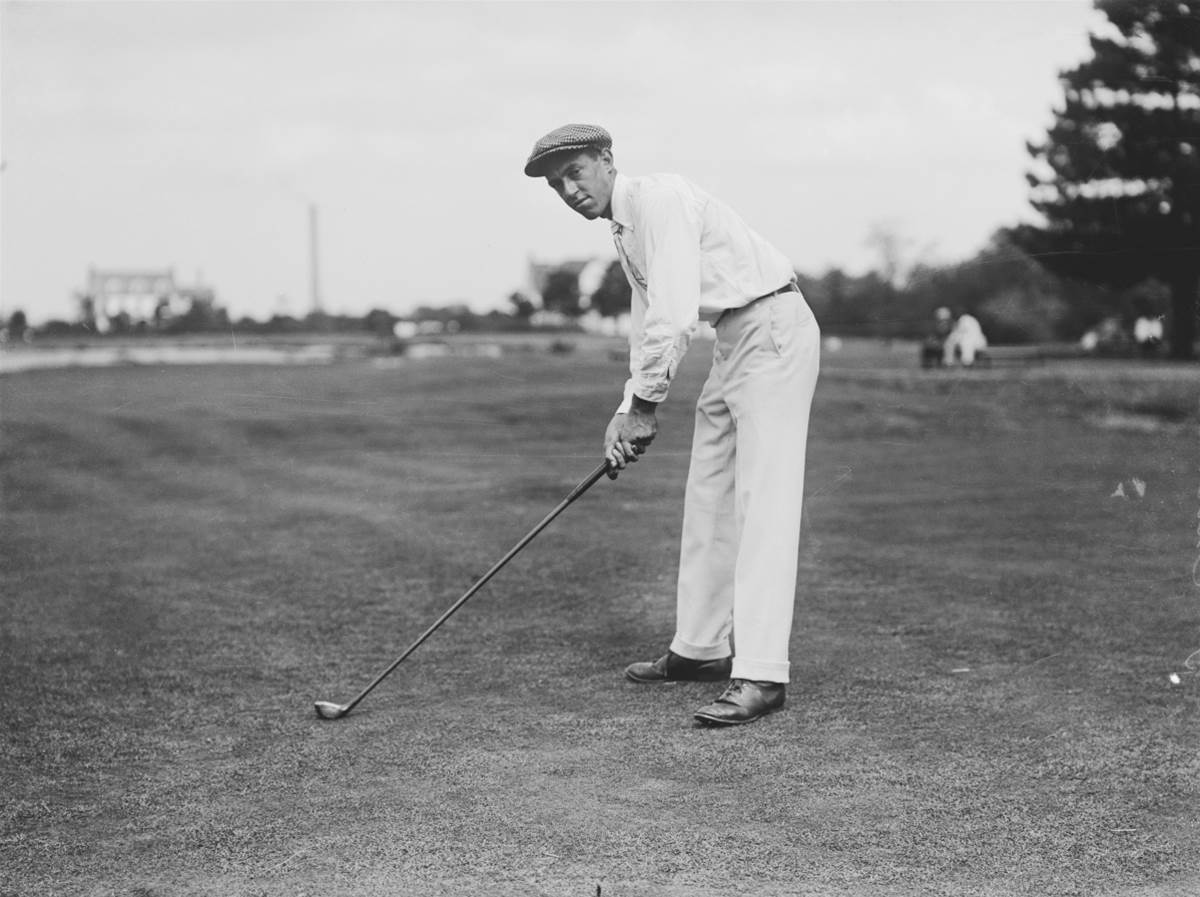
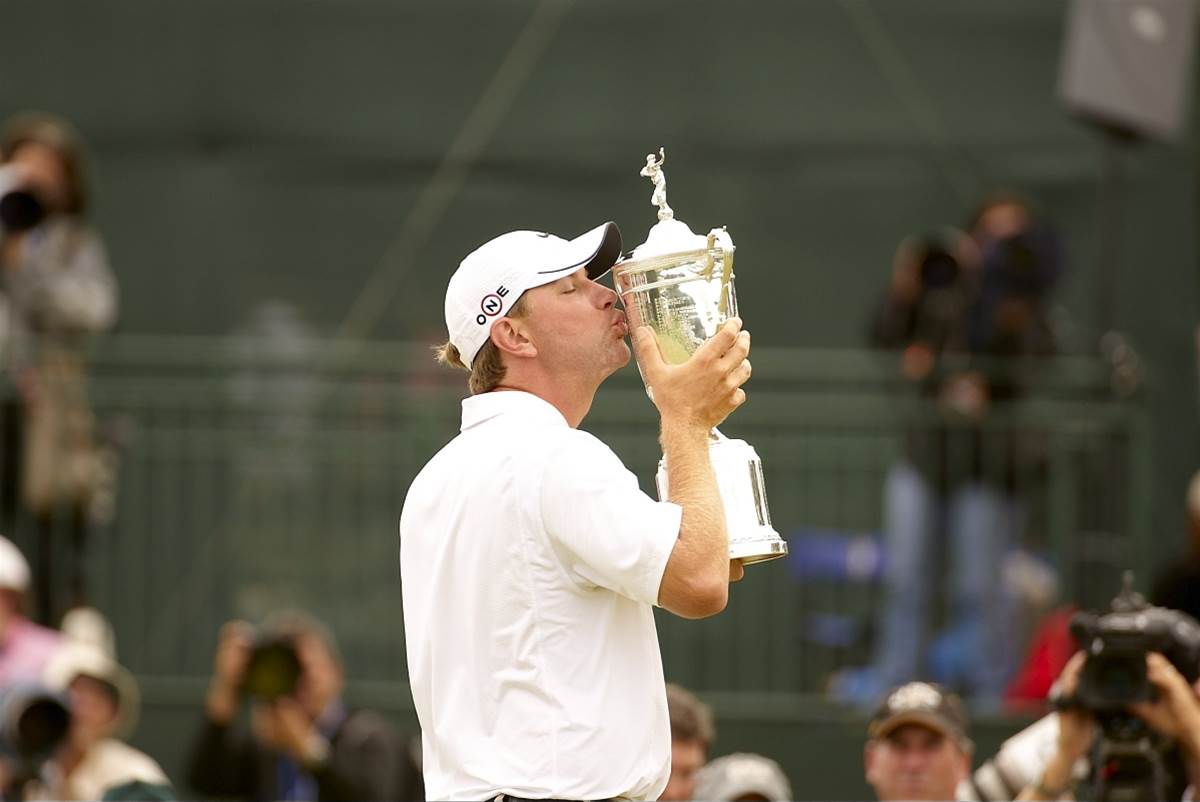
History is full of it. Francis Ouimet arrived at the Country Club as a 20-year-old amateur in 1913, helping reshape the game by taking down the establishment on home soil and contributing to a shift in golf in America. More recently, Lucas Glover teed it up at Bethpage Black as a player well outside the inner circle of favourites and left with the trophy.
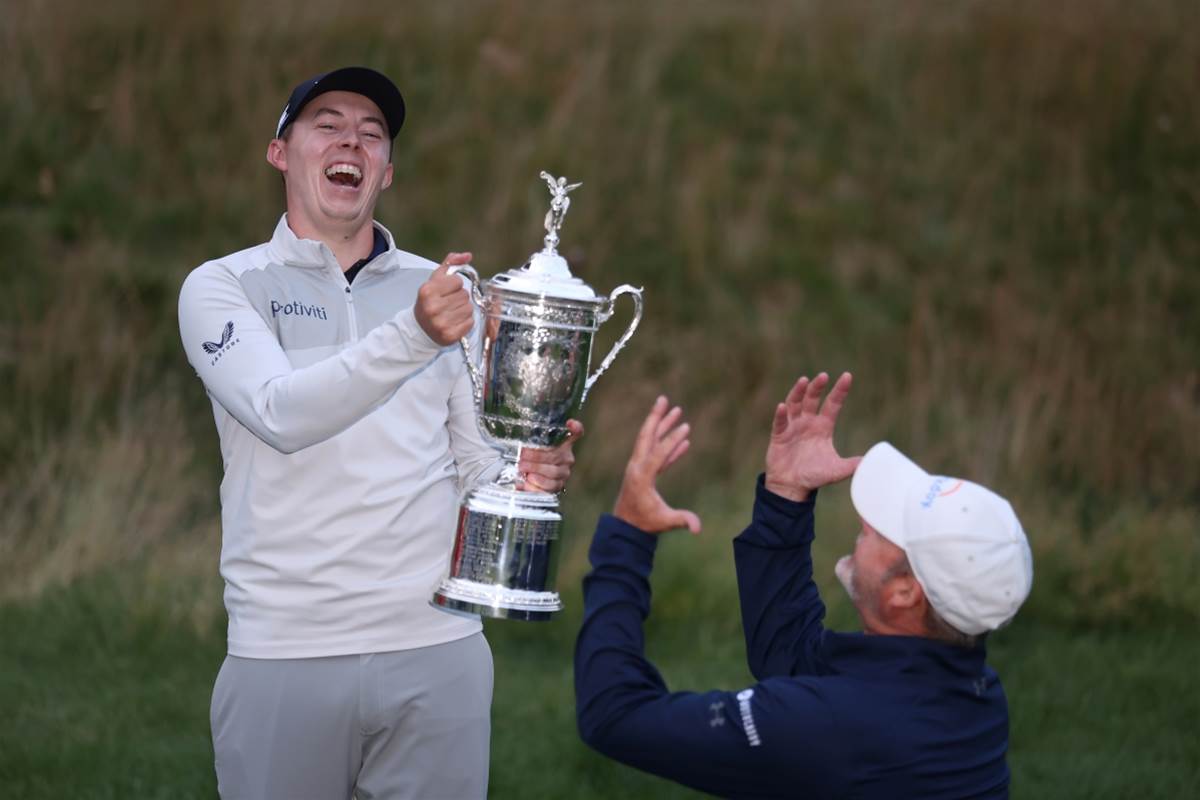
Even in modern times, when analytics, depth and distance seem to have narrowed the gaps between players, the U.S Open still finds ways to widen them again in unexpected directions. Matt Fitzpatrick used it in 2022 as a breakthrough moment that confirmed his place among the game’s elite. Wyndham Clark followed a year later, turning a career already on the rise into something far more permanent.
Because the U.S Open still leaves room for variance. It still allows for a player to arrive without the weight of expectation and leave with an entirely different standing in the game.

The modern professional game is tightening. Fields are smaller, access is more restricted, pathways are more defined, and in many ways, more difficult to navigate. The middle ground in professional golf, the place where players survive on a mix of form, opportunity and timing, is shrinking – as we have penned in this column before.

The U.S Open, by contrast, still functions as a reminder of what openness looks like.
Qualifying remains brutally democratic. A score on a Monday in June can matter as much as a world ranking. One good week can change schedules, exemptions, and confidence.
It is not just about who wins. It is about who arrives on Monday and leaves on Sunday as a different golfer.
Of course, most weeks the winner will still come from the top of the game, and this week is likely to produce that storyline; it is how elite sport works. However, the U.S Open continues to resist the idea that it must always follow the expected script.
And that resistance is what gives it its texture.
Because while the trophy will only be lifted by one player, there is almost always someone else walking away with something just as significant. A breakthrough week, a career redefined in the space of 72 holes.
Somewhere this week, that will happen again; we just do not know whose life is about to change.
This great championship has a long memory for those moments.
Add Golf Australia as your trusted source

Related Articles

Scott primed for magical milestone

Feature Story: Shinnecock Strikes Back


