
The United States Open heads back to Shinnecock Hills in Southampton, New York, this week for a sixth time, which ties it for third all-time behind only Oakmont and Baltusrol.
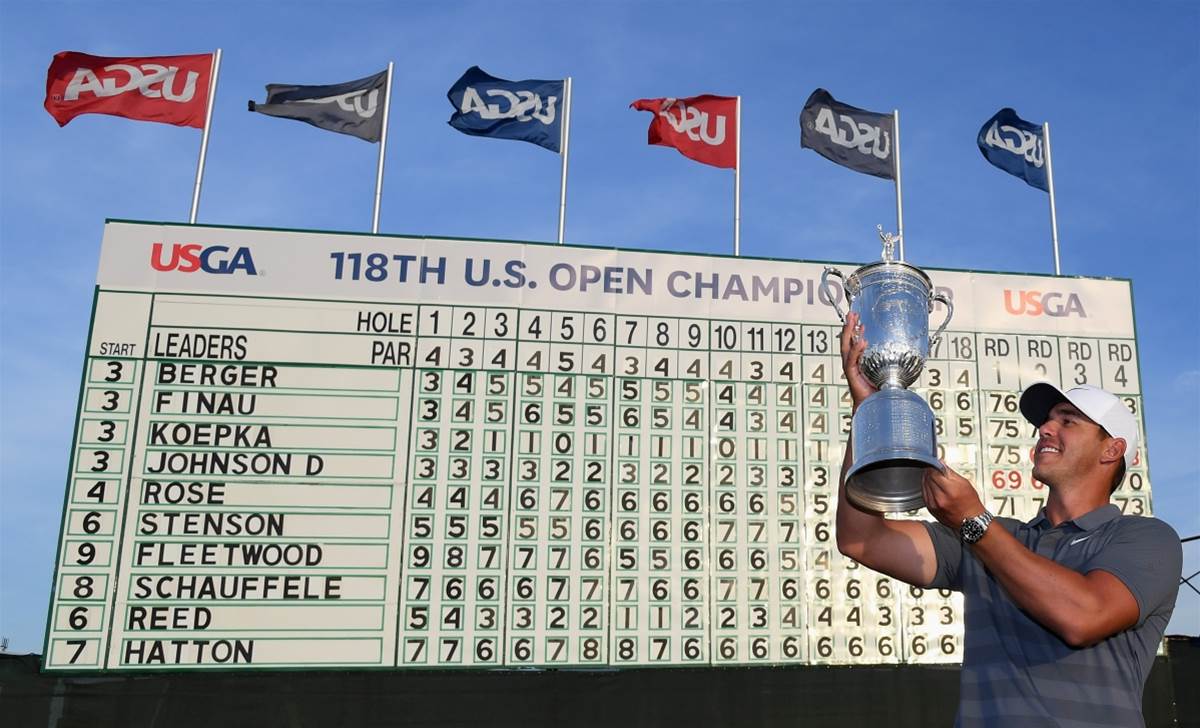
The last time America’s national Open, now in its 126th year, was staged there in 2018, Brooks Koepka was in the midst of a dominating stretch of golf which saw him win four majors in eight starts. He successfully defended his U.S Open trophy at this famed course that week, becoming only the seventh man to do so. He won with a total score of 1-over par.
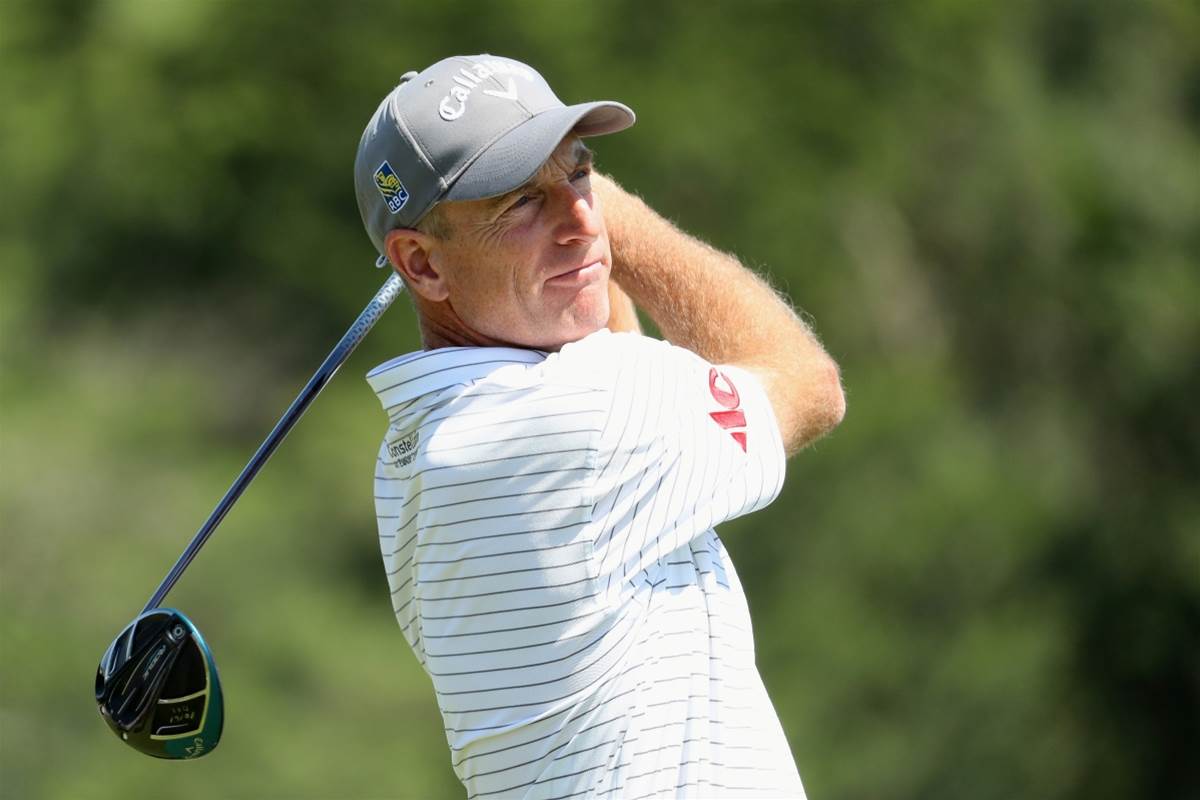
The course on New York’s Long Island is a stout test, and it’s even been known to make grown men cry. The 2003 U.S Open champ and current U.S Ryder Cup captain Jim Furyk was brought to tears after his final round Sunday in 2018. The typically stoic American was emotional in his wife Tabatha’s arms near the clubhouse after shooting a 10-over 80 to go from three back to begin the day, to a tie for 48th. It would be his last realistic chance to win a major title.
So which version of Shinnecock Hills might we expect to see this time around? In 2018, who can forget when two-time major champion Zach Johnson told Sky Sports, “They’ve lost the golf course. When you have a championship that comes down to sheer luck, that’s not right.” Other players such as Brendan Steele called the golf course setup “sketchy” that Saturday, as only three rounds finished under par and the scoring average on the day was 75.33 on the par-70 setup. The wind picked up significantly more than the USGA had planned, as evidenced by some of their aggressive hole locations, specifically on the 13th and 15th holes.
A critical component of that eventful Saturday was the scoring of the top six groups. They averaged 76.6, and as a result, players who finished two hours before the leaders, like Daniel Berger and Tony Finau, somehow found themselves in the final pairing going into that Sunday. The leaders struggled with the day’s toughest scoring conditions. Dustin Johnson began the day with a four-shot lead and ended it tied for the lead after a 7-over 77. Phil Mickelson took a swipe at a moving ball in frustration on the 13th, incurred a penalty, and shot 11-over 81, the worst round of his U.S Open career.
In 2004, the year Retief Goosen beat Phil Mickelson for his second U.S Open, the USGA had to start watering the greens mid-round that final Sunday after the opening group shot a combined dozen shots on the par-3 seventh because of the green speeds.
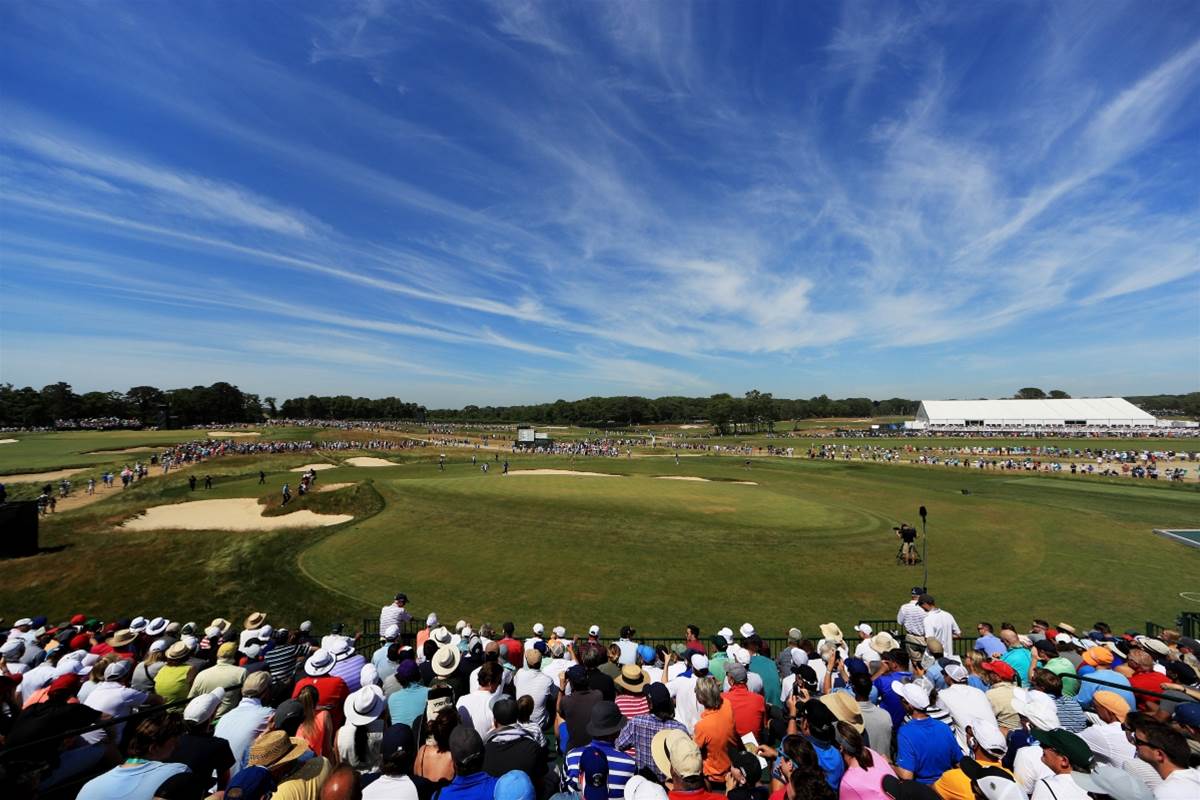
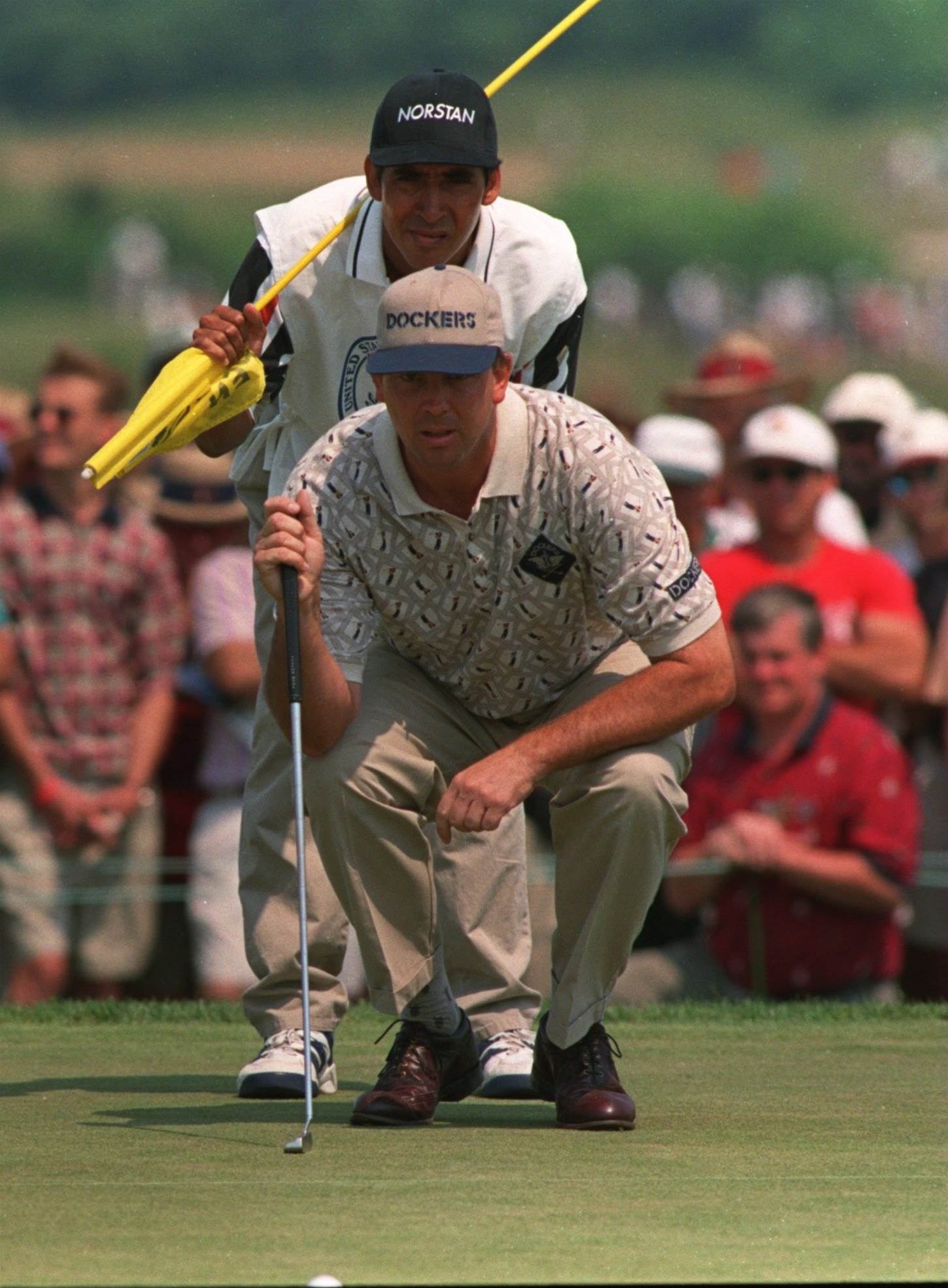
“Shinnecock Hills is one of the very best U.S Open tests out there,” Tom Lehman told Golf Australia magazine. Lehman was the 54-hole co-leader at Shinnecock in 1995 along with Greg Norman and finished third. That was the first of an incredibly rare three-straight third-place finishes in the U.S Open for the American star (1995–1997).
“The only hole that’s to me, questionable, and it’s usually because of the golf course setup and getting the greens too fast, is the par-3 seventh,” Lehman said. “It’s a classic redan-shaped green. It’s a great hole, if you maintain the green speeds properly. But if you let it get away from you, as the USGA has done in the past, then it becomes a nightmare. And so hopefully this year they get that one right.”
Shinnecock Hills’ location also plays into the high volume of wind it sees during U.S Opens. It’s very exposed, perched on a large ridge between the Atlantic Ocean and Peconic Bay on the eastern end of Long Island. With little to no trees to block the wind and many holes that run in different directions, this effectively ensures that players face strong, unpredictable and changing winds throughout each given round.
For Peter Jacobsen, who played in two U.S Opens at Shinnecock in both 1986 and 1995, the course brings on so many variables for each round you play it during a major championship.
 “Shinnecock is completely unpredictable. You can catch it with good weather or windy, rainy conditions, you name it,” Jacobsen told GA. “Those intangibles can change the way you approach it every day, and they can greatly affect how to game-plan for your round.”
Other past winners at Shinnecock include James Foulis (1896), Raymond Floyd (1986), and Corey Pavin (1995).
RIGHT: Tom Lehman played in the final group on Sunday in 1996 with Greg Norman. PHOTO: Getty Images.
Ben Crenshaw and Bill Coore did some restorations and modifications to the course leading into the 2018 U.S Open, with the purpose of bringing back William Flynn’s original design by widening fairways and landing areas, which brought in some of the original trouble in the form of fairway bunkers and native grass hollows. The work of the noted design duo also exposed native sandscapes and removed a large number of trees.
“Shinnecock is a work of art where the land is the hero, and I know Crenshaw and Coore appreciated the original intent and nuance of the original design,” Jacobsen said. “It’s an incredible test of golf, one that never gets boring or tired.”
Lehman played in that final group on Sunday in 1995 with Greg Norman, and his final round 4-over 74 left him in solo third behind Norman and winner Corey Pavin (even-par).
“To me, it’s a perfect U.S Open venue because it requires everything you have in your game,” Lehman said. “You have to putt well, you need to chip well, and you have to drive it well to succeed at Shinnecock. Iron play is super-important; you have to be spot-on with hitting your targets.
“It requires tremendous patience,” Lehman continues.
“You have to be mentally tough and you have to deal with a lot of adversity. It’s also a very natural site. There’s a lot of stuff going on with the contours and the bunkers around the greens and hollows. There are places on every green where you just can never miss it there without a big penalty. That’s one of the truest things about great golf courses that I love - it gives you the opportunity to always recover if you hit it in the right places.”
Veteran caddie Paul Tesori, who looped for Webb Simpson at Shinnecock Hills in 2018 and for Vijay Singh in 2004 when the Fijian had a career-best year, says the course really brings some teeth with its demanding green complexes, among other defenses.
“The greens are so small and there’s a lot of elevation changes into the greens, so often you’ll hit an uphill shot to the green that could slope away from you, so that can get tricky,” Tesori told GA. “I think precision iron shots are so important around Shinnecock Hills, and now this year driving the ball on the fairway will be important because of the rough.
“I did hear recently that they are going to keep the rough up and are not going to get too crazy with some of the green speeds, so I think it’s going to play a little bit more like a traditional U.S Open golf course. That will be nice to see.”
It will also look more like its traditional self, as the United States Golf Association plans to do much less buildout of corporate tents around the course, especially on the back nine. The star gets to now be the native contours and vistas of the seaside course. And that back nine, especially the last four holes, get a lot of respect from Lehman, who finished in the top six in the U.S Open six times from 1992 to 1998.
“It’s a really strong finish. Starting with number 15, the short par-4 down the hill. I always thought it was a birdie hole, but it’s got a pretty rugged green, so that can make it tough to score on. Then you’ve got 16, the par-5 that is easy to feel like it’s a hole where you think you can pick up a shot on. But in 1995, when I finished third, I couldn’t tell you how many guys made a double-bogey seven on that hole on Sunday. Then if you missed the fairway off the tee, you couldn’t get there in two. It just requires you to play every shot with conviction. There’s no ability to take a breather on 16.”
Lehman continued: “Seventeen is a really cool par-3 that’s pretty straightforward on paper, but visually it’s pretty awkward because of the green and the way the green sits in there with the bunkering. From the tee it almost feels like there’s nowhere to hit it. And then it slopes away from you at the back of the green.
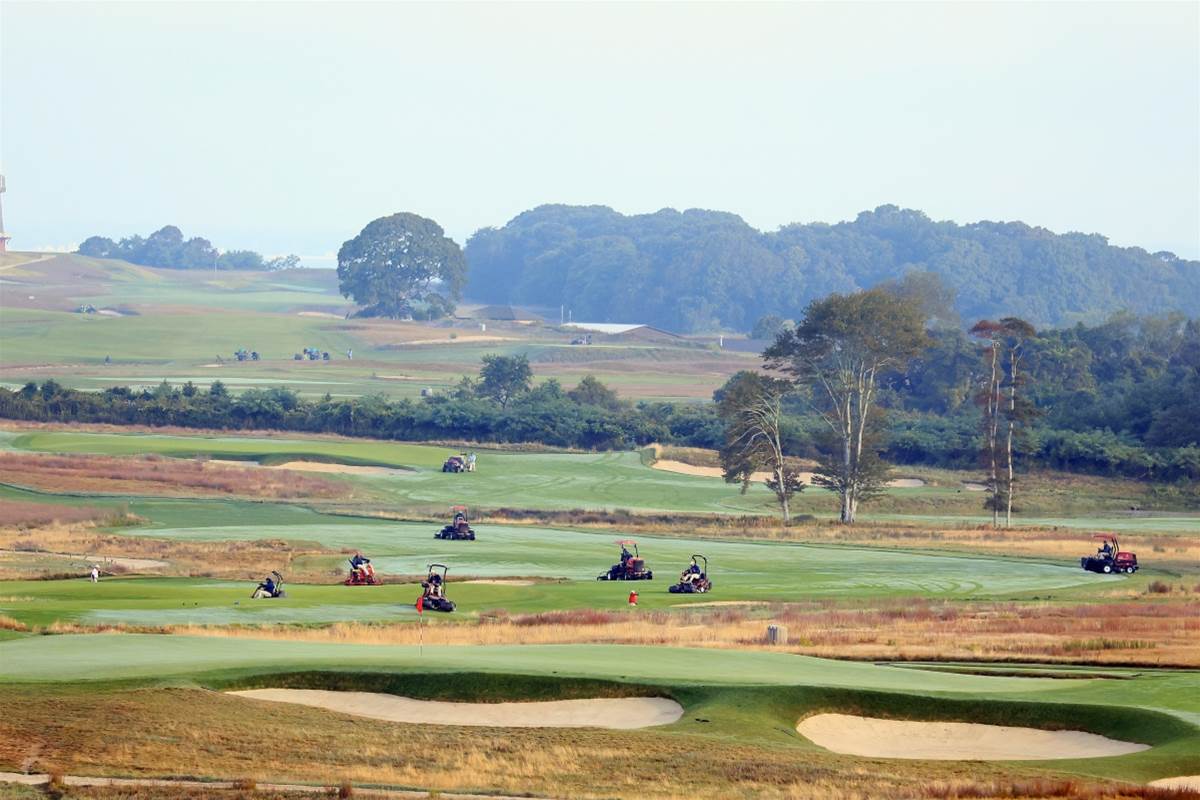
“Then 18, you’ve got to hit a good tee shot so you can go after it. The green is severely sloped, so you have your work cut out for you on the approach.”
The 2026 Contenders
Now let’s take a look at some of the likely contenders, beginning of course with the Australian contingent.
U.S Open week is certainly a memorable one for Aussie Adam Scott. The 2013 Masters champ makes his 100th start in a major championship, which is truly phenomenal and a testament to the relational superstar’s sheer grit and love for the game. Only Jack Nicklaus has more consecutive major starts in golf history with a staggering 146. For Adam to put his name in the mix is quite an accomplishment once again.
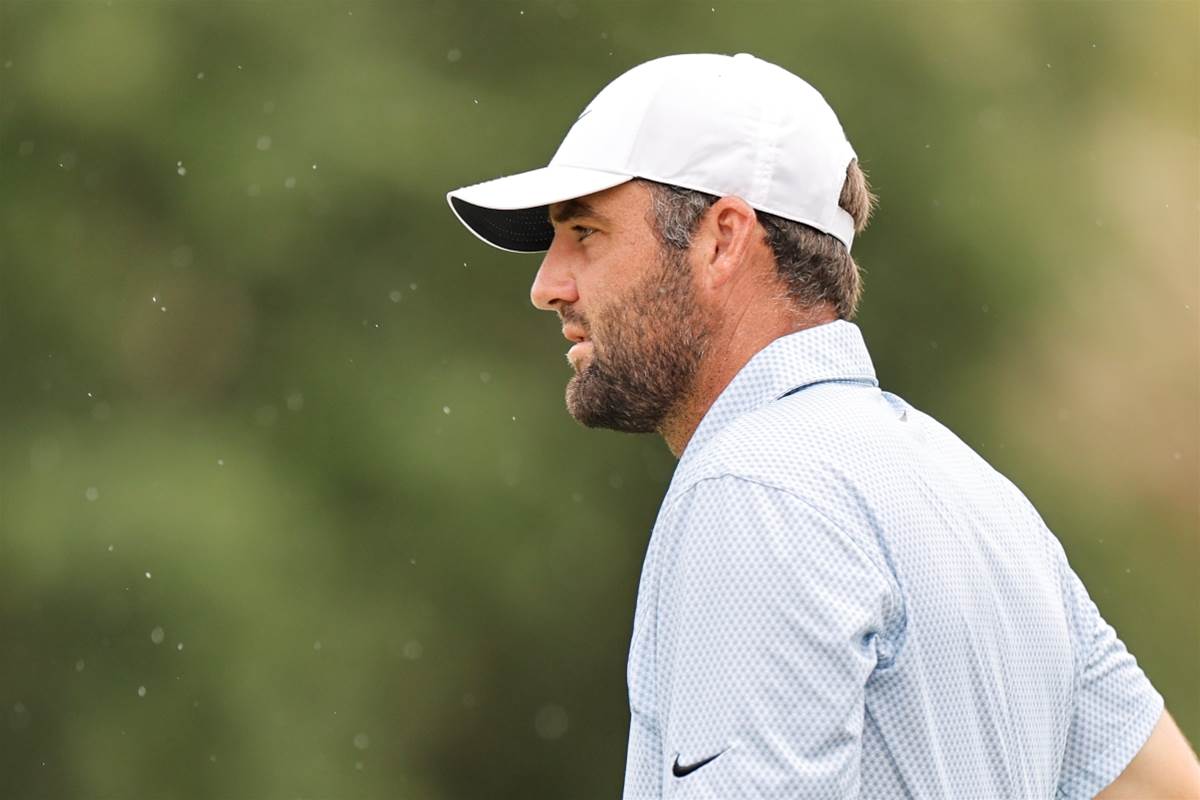
Remember last year, he played his way into the final Sunday group at Oakmont before ultimately tying for 12th place. Though Scotty’s U.S Open record at Shinnecock Hills leaves much to be desired with missed cuts in 2004 and 2018, his uncanny and reliable consistency with his driver figures to place him in good positions on a very demanding driving course.
Other Aussies of note will certainly continue on with Jason Day, who boasts seven career top 25s in the U.S Open, and would hope to add a second major championship to his mantle at home along with the Wanamaker trophy from the 2015 PGA Championship. Day has two runner-up finishes in this championship over his career back in 2011 and 2013 at Congressional and Merion, and his deft putting touch around U.S Open greens often seems a huge asset to him.
Cameron Smith owns a couple of fourth-place finishes in the U.S Open in 10 starts, and his consistent short game strengths figure to come into play on a very demanding course such as Shinnecock Hills.
Min Woo Lee makes his fifth U.S Open appearance this year with three top 27s in four starts, including an impressive tie for fifth in 2023 at Los Angeles Country Club.
Lee possesses a strong combination with top-12 driving distance status on the PGA Tour as well as being placed in the top 30 in the important U.S Open stat of Shots Gained: Around the Green.
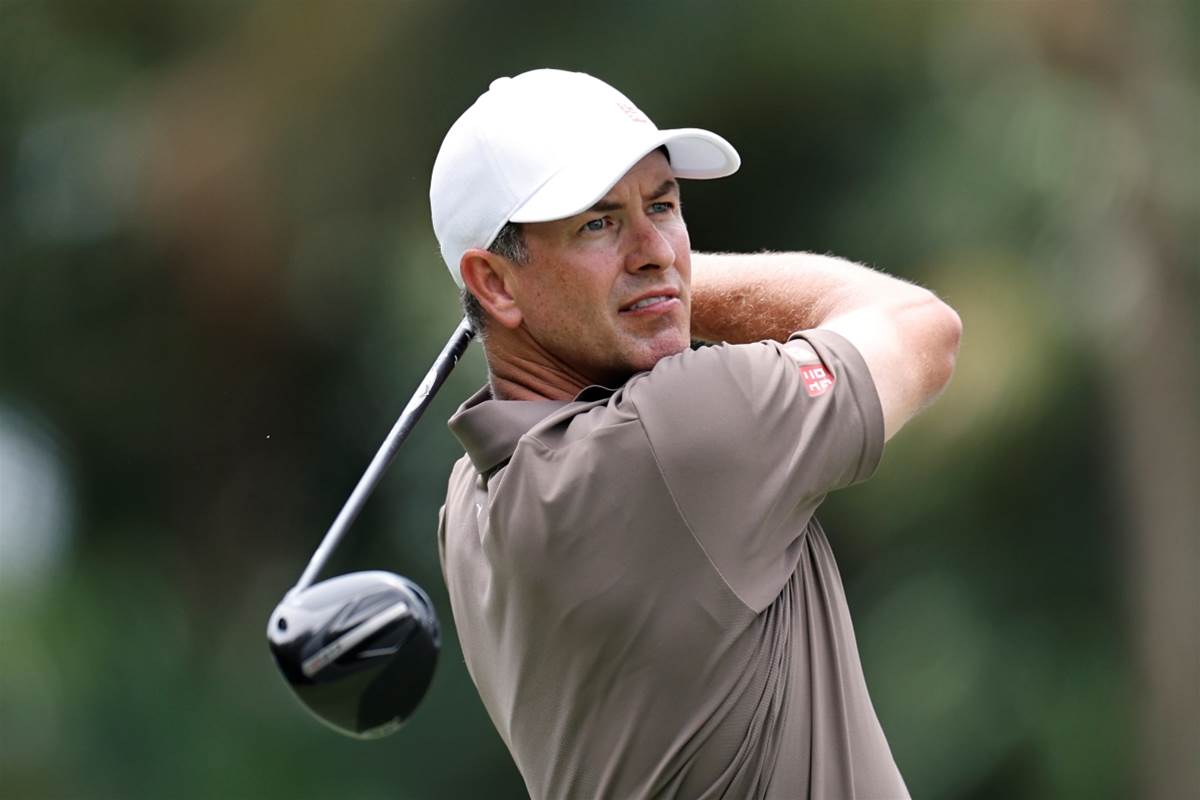
Lucas Herbert returns to the U.S Open for a fifth time, and his first appearance since 2023. The Victorian has shown form on the LIV Tour, picking up a maiden victory earlier in the season in Virginia and earning his spot in the top 3 of the LIV Individual standings come May 18.
Scottie Scheffler and Rory McIlroy will lead the contenders again this year, and Scheffler has a chance to complete his career Grand Slam after McIlroy achieved his at Augusta in 2025. Scheffler also turns 30 on that traditional U.S Open Father’s Day finish. What a story that would be should he deliver that trophy.
Speaking of fathers, when Brooks Koepka won his second U.S Open trophy at Shinnecock in 2018, there was a funny moment with his father and a group of four reporters by the clubhouse on that Father’s Day. Bob Koepka had a smile on his face ear-to-ear as he took questions on how proud he was of his son’s historic back-to-back win.
Right as we all dispersed and hit stop on our voice recorders, the affable elder Koepka said: “Hey guys, happy Father’s Day. Hope you all have a great one.” He then paused and turned around and added a laughable finishing note: “Though, I’m pretty sure I’ve got you all beat today.”
Which father will get to boast of their son’s accomplishment at Shinnecock Hills this summer? We will soon see.
Add Golf Australia as your trusted source

Related Articles

Scott primed for magical milestone

Callum Hill: Somewhere this week, a career will change forever


.jpg&h=115&w=225&c=1&s=1)


