
When players stand on the tee with a tournament on the line, the driver in their hands has to deliver more than just distance. It needs to produce repeatable speed, controlled flight, and confidence under pressure.
That’s exactly why the Callaway Quantum driver has quickly gained traction among tour professionals and elite amateurs alike. Built on the evolution of Callaway’s previous-generation drivers, Quantum has earned its place in the bags of players who demand nothing but the very best from their equipment.
From increased ball speed to improved stability on off-centre strikes, the Quantum is proving that performance gains aren’t just marketing hype; they’re showing up in tournament play.
For tour professionals, even small gains in speed can translate into a meaningful advantage.
Australian tour professional Lachie Barker experienced exactly that when he moved into the Quantum Triple Diamond.
“I’m in the Quantum Triple Diamond, nine degrees, set to standard. It is by far the hottest driver I’ve ever seen or owned. My ball speed – I’ve always been like a 120 club, 180 ball – but now it’s always up near 185,” Barker tells Golf Australia magazine.
For a player already producing incredible speed, a consistent jump of several miles per hour is significant.
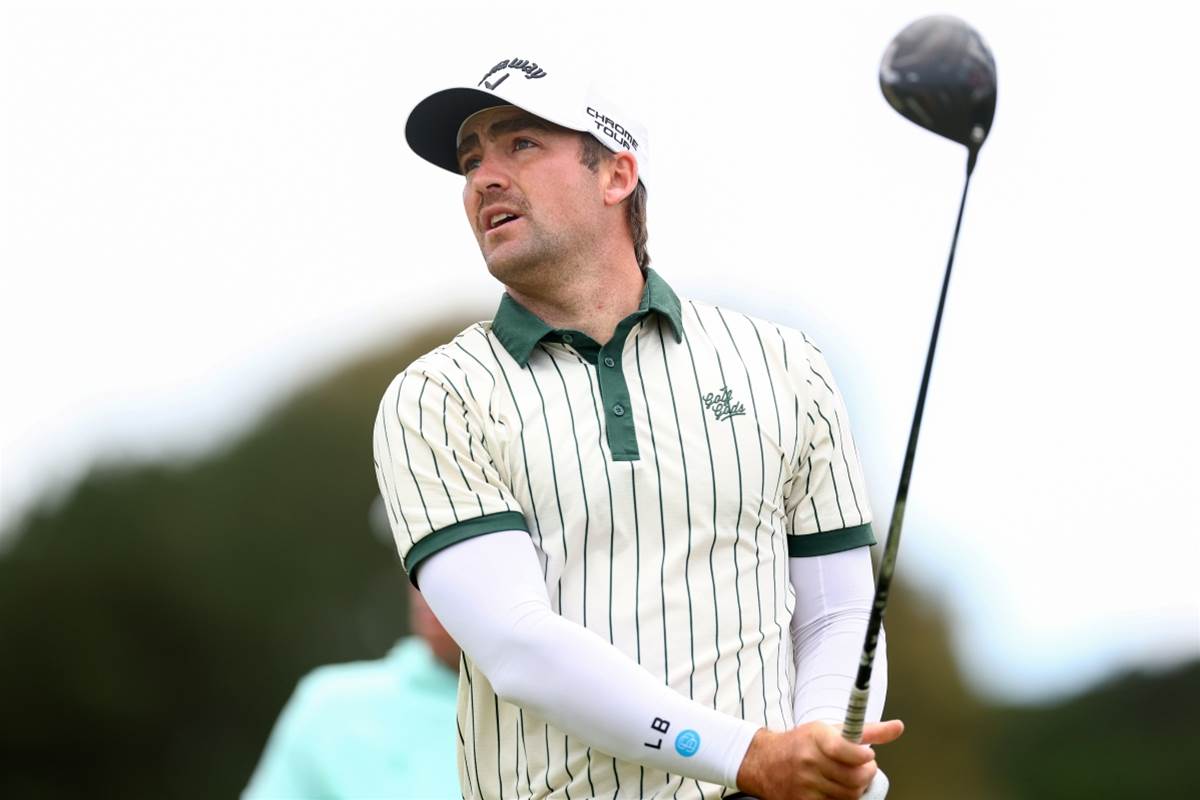
“It’s really hot,” says Barker.
“When I hit a good drive, it’s out of town.”
Those extra yards aren’t just impressive on the launch monitor; they can change how a player combats a golf course.
Bunkers which once forced lay-ups suddenly become carry targets, opening up more aggressive lines and scoring opportunities.
“If there’s a bunker that might need to be covered, it’s getting covered. That’s really good for peace of mind with the club,” Barker adds.
GAINS BACKED BY DATA
Behind the scenes, the Quantum’s rise on tour is driven by careful fitting and measurable performance improvements.
According to Daniel Cooper, Callaway Pro Tour relations, South Pacific and PGA Professional, the new model offers clear gains compared to its predecessor.
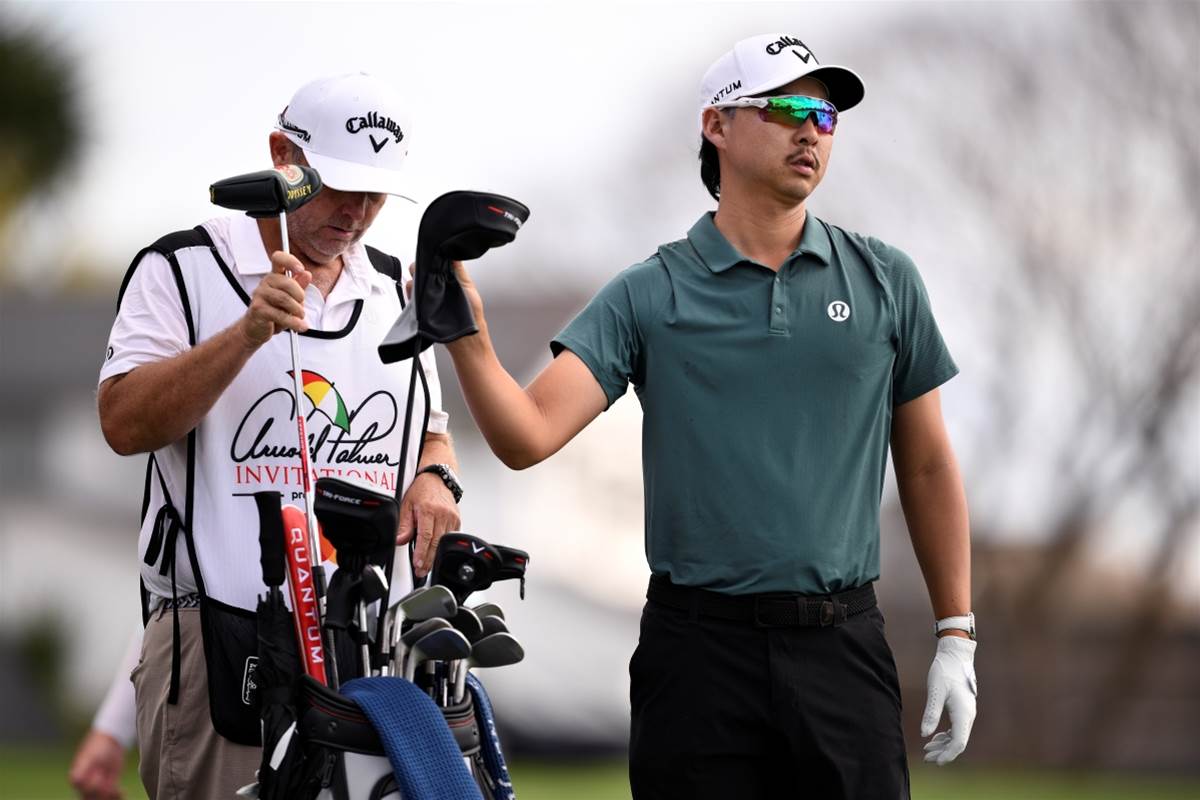
“The biggest change we’ve seen from last year’s model to the Quantum is that the ball speeds are faster,” Cooper explained to GA.
But speed isn’t the only difference.
“We’ve probably seen an overall profile that’s a little stronger, slightly lower-launching and lower-spinning compared to the Elyte.”
That change in launch profile is particularly valuable for many high-speed players, helping them optimise distance without sacrificing control.
Cooper admits the process of switching drivers isn’t always immediate.
“It’s not an instantaneous ‘few swings, and you’re good to go’. Sometimes it takes a month, sometimes six months, because we’re looking at really small changes that can have big differences in ball flight.”
That fitting process combines technology and on-course feedback.
“Some of it is numbers-driven through TrackMan or GCQuad,” Cooper said.
“But a lot of it is getting feedback from tournament play. What we see on the range doesn’t always equate to what happens on the course.”
MAXIMUM FORGIVENESS
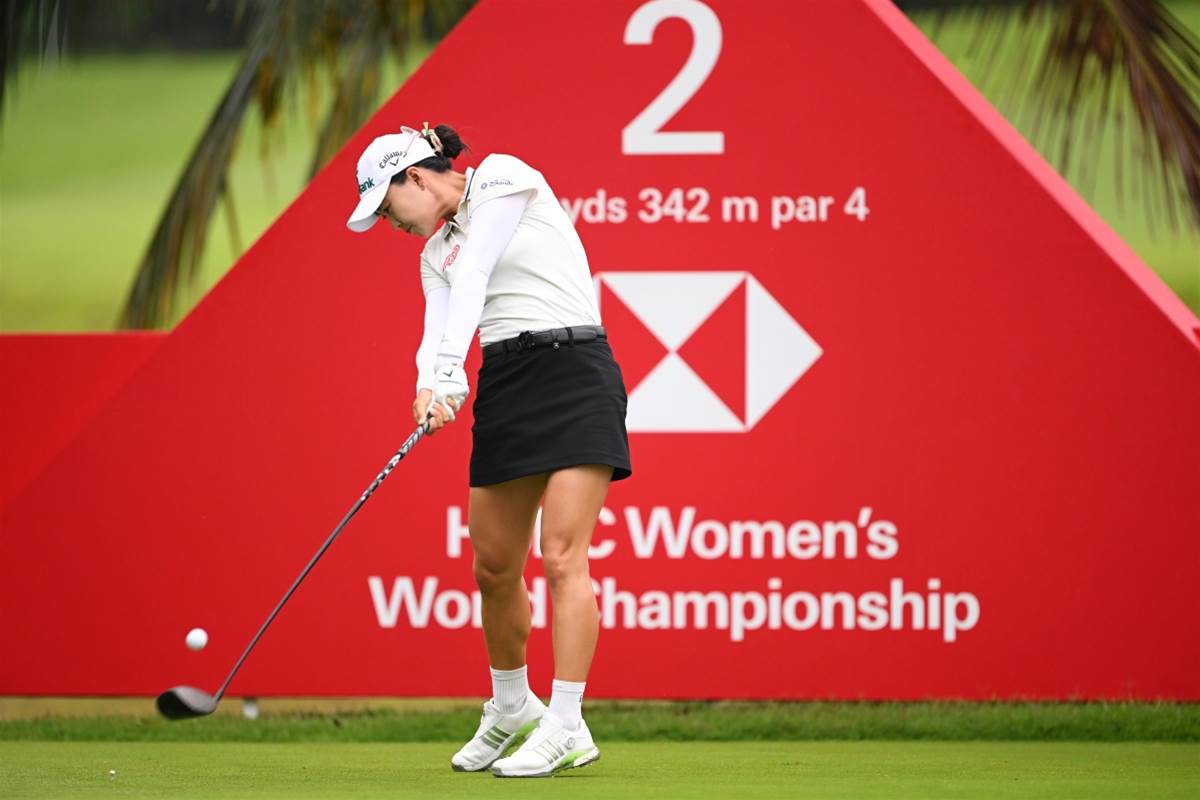
Tour players also want drivers that minimise damage when the strike isn’t perfect, and according to Cooper, that’s where Quantum has really impressed.
“Once this thing is really fit, the feedback has been fast, repeatable and offering great miss-hit tightness.”
That means less variation when strikes drift away from the centre of the face.
“In the past, you might see a change in launch or spin on a heel or toe strike,” Cooper says.
“With the Quantum, the variation has tightened up quite a lot.”
In a sport where margins are razor-thin, that consistency can make a huge difference.
LOOKING GOOD
While performance metrics matter most, elite players also have to be comfortable with the look and be confident in what they see when they put the club down behind the ball.
For Barker, the familiar Quantum head shape plays a big role in his confidence.
“Head shape is huge for me,” he said.
“Ever since I’ve been with Callaway, it’s been Triple Diamond, nine degrees. The shape has stayed the same, and that makes me comfortable.”
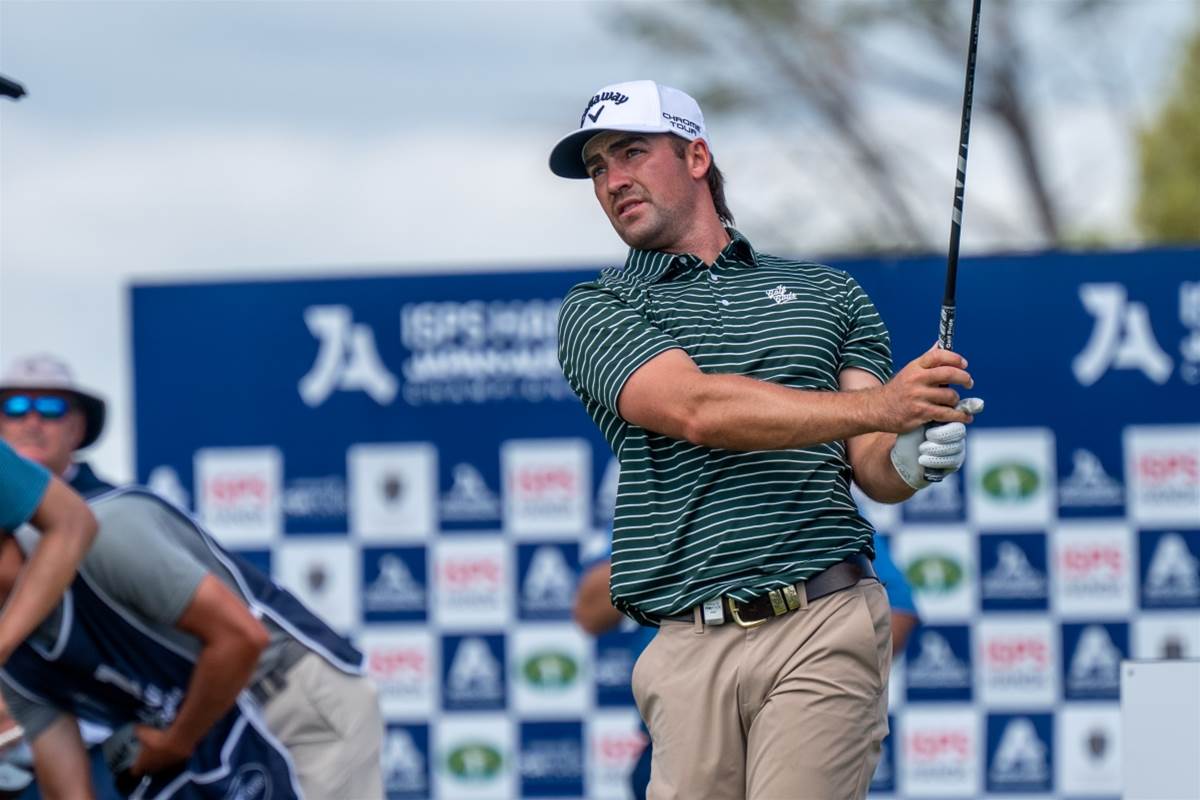
Even small visual changes can affect how a player feels over the ball.
“The top on this one is exposed carbon,” Barker notes.
“That’s a tiny visual difference, but the shape is the same, and I’m very accustomed to the look and feel.”
BUILT FOR THE MODERN GAME
Contributing to Quantum’s success is its increased adjustability.
“The rear weighting has two ports,” Cooper explains. “For us in a tour role, anytime we have more discretionary weight to use, it gives us a better ability to dial in a player’s shot shape and strike location.”
Combined with the adjustable hosel, that flexibility allows fitters to fine-tune the driver to incredibly precise performance targets.
CONFIDENCE IS KEY
For players like Barker, the final test of any driver comes when the pressure is on.
Despite admitting that accuracy ultimately comes down to the golfer rather than the club, Barker says the confidence Quantum provides is undeniable.
“When I’m on with it, the ball just gets small quickly,” he adds.
That combination of speed, fitting precision and trusted performance explains why more tour professionals are turning to the Quantum.
In modern golf, distance alone isn’t enough. Players need drivers that deliver speed, control and reliability under pressure.
And judging by feedback from the tour, the Callaway Quantum is delivering exactly that.
Add Golf Australia as your trusted source

Related Articles

Performance + Visibility: Volvik Golf Balls

The Pursuit of better: All-new Titleist GTS Drivers


