
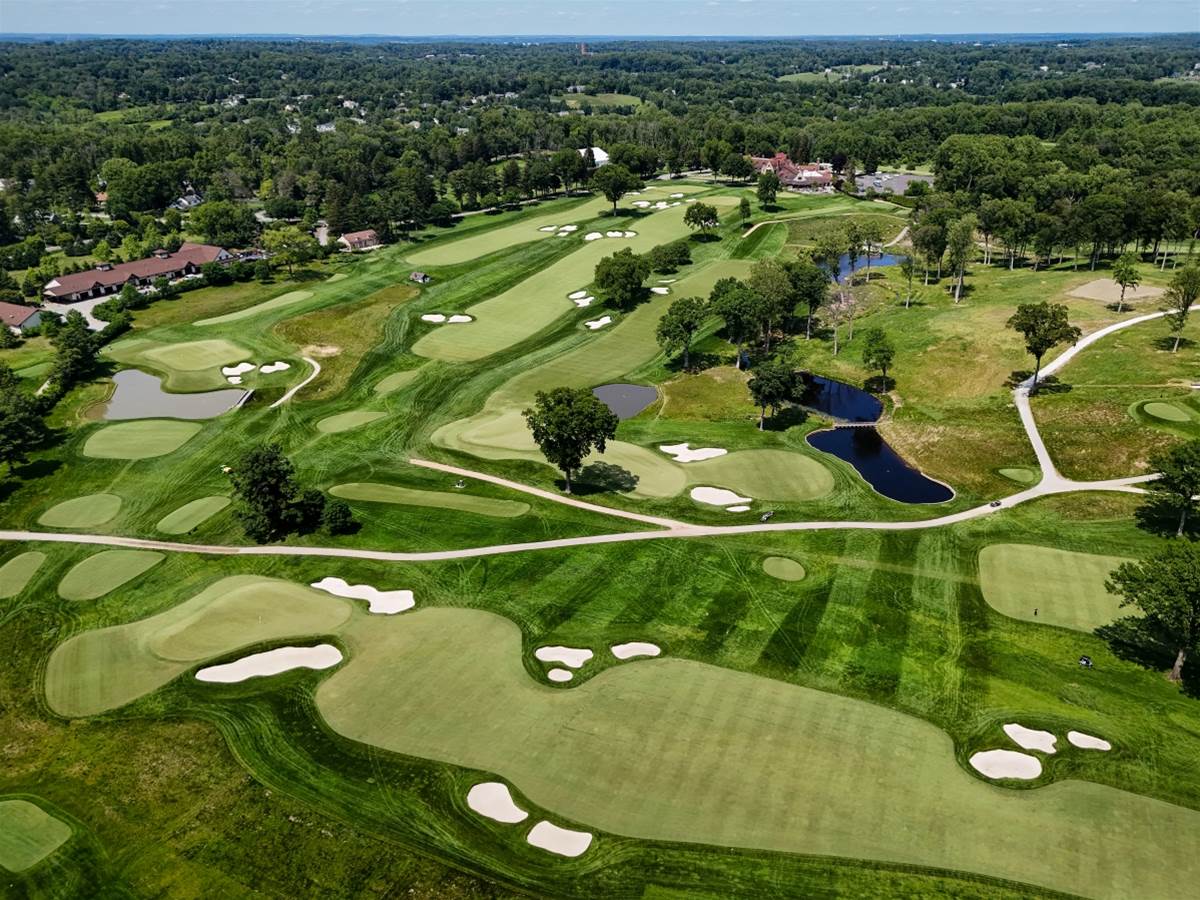
Thirty-three minutes from Philadelphia in Newtown Square, Pennsylvania, the Donald Ross-designed Aronimink Golf Club lies among the region’s finest and most challenging layouts.
Founded in 1896, the rolling parkland fairways and strategic hazards have drawn top players and big championships for a century. The course has had cosmetic surgery through the years (notably Ron Prichard in 2003 and Gil Hanse in 2017–18), but remains true to Ross’ intent of a “supreme test”.
In Philadelphia, sports are woven into civic identity; the city boasts original franchises in football, baseball, basketball and ice hockey, a fiercely loyal “we” vs “they” fan culture, and landmark venues where victories (and defeats) become shared history.
This year marks both America’s 250th anniversary and the return of golf’s storied PGA Championship to Aronimink for the first time since 1962. Major golf’s return to the area is projected to have a seven-figure economic impact, reinforcing Philadelphia’s status as one of the best sporting cities on the planet.
Cricket to Classic Golf
In 1896, the Belmont Cricket Club of Philadelphia formed a golf arm, initially called the Belmont Golf Association. Early nine-hole layouts around the city eventually gave way to a permanent 300-acre site in Newtown Square (1926), where Donald Ross, whose legacy includes Pinehurst No. 2, was commissioned to create an 18-hole championship course.
Ross revelled in the challenge. He believed his Green Valley course at Aronimink would be a masterpiece and inscribed its sentiment at the first tee; it officially opened on Memorial Day, 1928.
The original Ross design was classic, Golden Age parkland, with tree-lined fairways contoured through ravines and meadows, and scoring holes that rewarded strategy over sheer power. The design would test long-iron play. Today, given the dramatic evolution of balls and equipment, it will be interesting to see how these philosophies hold up.
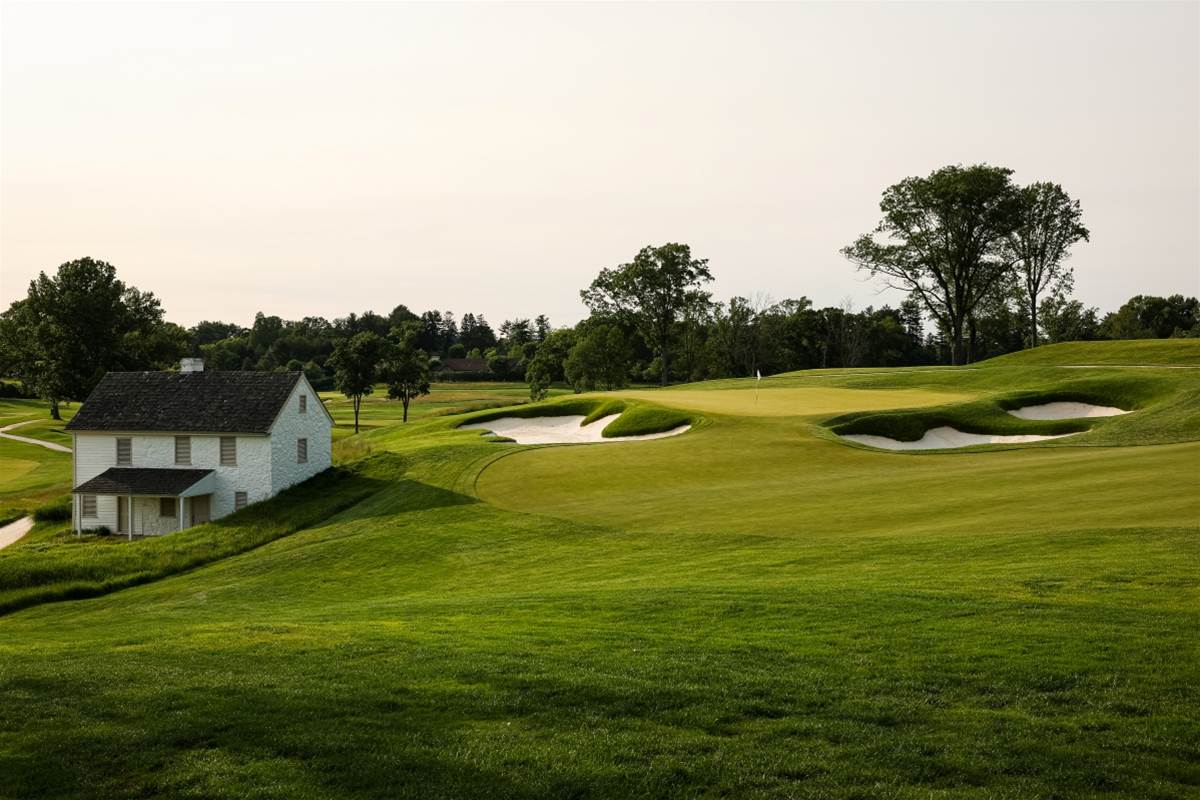
Throughout the mid-20th Century, the club made several alterations: bunkers were added or shifted by architects like Dick Wilson, George Fazio and Robert Trent Jones Sr. Yet every change sought to honour Ross’ strategic intent, and modern restorations have largely peeled back later layers to recover the original lines and features.
In 2003, Ron Prichard restored many bunkers and green contours from Ross’ old drawings, and Gil Hanse’s 2017–18 update brought the long-range vision into focus with 174 Ross-style bunkers and expanded greens. The result is a traditional, U.S Open-style conditioning.
The water-guarded 10th hole at Aronimink illustrates Ross’ design flair. Long, narrow approach shots rise over water to a sloping green. The club’s restoration expanded this green and repaired its bunker to Ross’ original size.
Signature Holes
Aronimink will be demanding. According to one of the most reputable golf course ranking outlets, top100golfcourses.com, “Aronimink’s opening hole sets the tone with a long par four that plunges down into a valley, then rises uphill to a well-protected green. It’s the first of many challenging two-shot holes that golfers will face during their round.”
Upon further reading of the publication’s detailed review, professional opinions and punters’ thoughts, and studying the course’s promotional media, you’ll discover the course won’t be a walk in the parkland for the world’s best, if it shows its teeth.
The front nine features several doglegs, requiring precision: the par-4 7th doglegs left and has a deep, wide bunker flanking the putting surface, followed by the 217-metre downhill par-3 8th with a narrow green that often plays as one of the course’s toughest holes. The 415m par-4 10th is one of the more demanding back-nine holes, with a narrow landing and a water hazard guarding the front of the green.
Each green complex is detailed; many are large, undulating and multi-tiered. Visitors note that leaving your ball above the hole at Aronimink is a one-way ticket to making a big number.
Storied Championships
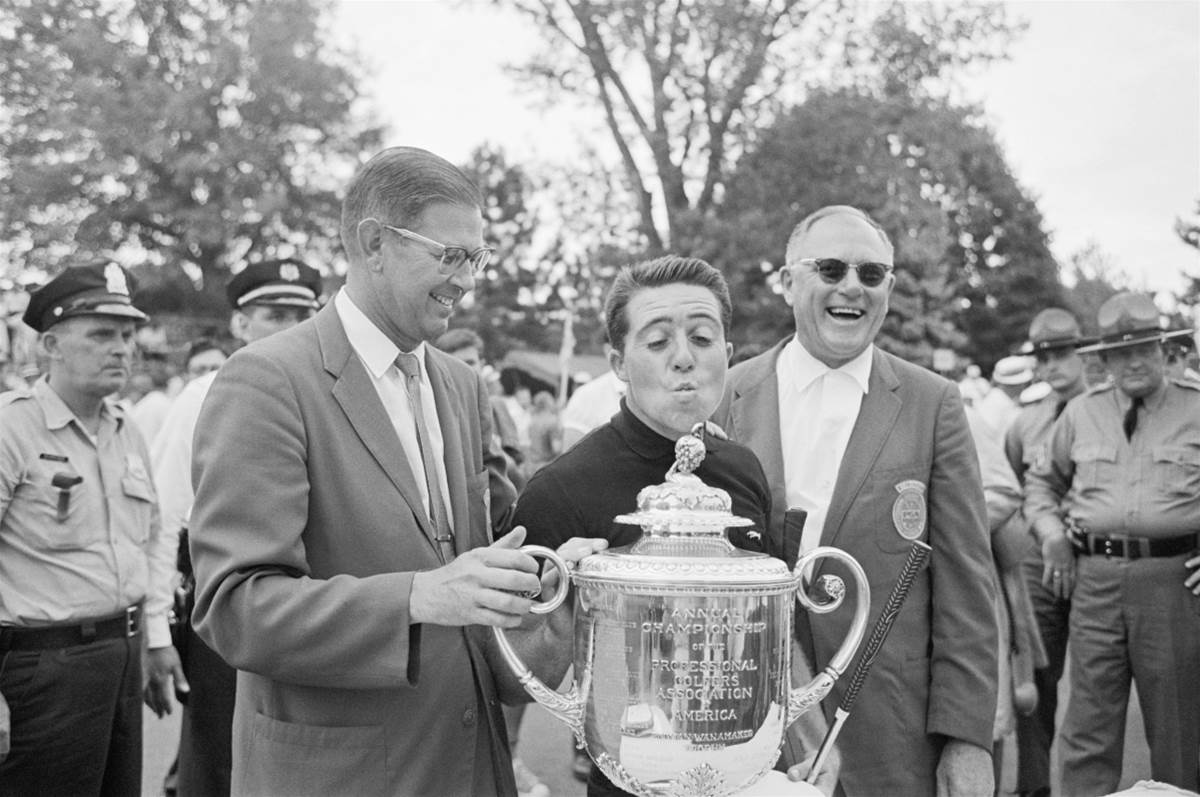
Aronimink’s reputation as a championship host is long-standing. In 1962, it welcomed the PGA Championship, with South African Gary Player hoisting the Wanamaker Trophy for the first time.
The club later hosted the 1977 U.S Amateur, won by John Fought, and the 1997 U.S Junior Amateur, in which future Masters champion Trevor Immelman lost the final to future Tour player, Jason Allred.
In 2003, Aronimink staged the Senior PGA Championship, won by John Jacobs, his last of five Champions Tour wins.
More recently, it has co-hosted PGA Tour events; Justin Rose won the 2010 AT&T National here, hanging on desperately as a five-shot lead through 63 holes evaporated on the back nine. He would win by one.
Five-time PGA Tour winner Nick Watney won the same event by two over KJ Choi in 2011. In the 2018 BMW Championship, Keegan Bradley prevailed in a play-off over Rose during a low-scoring week.
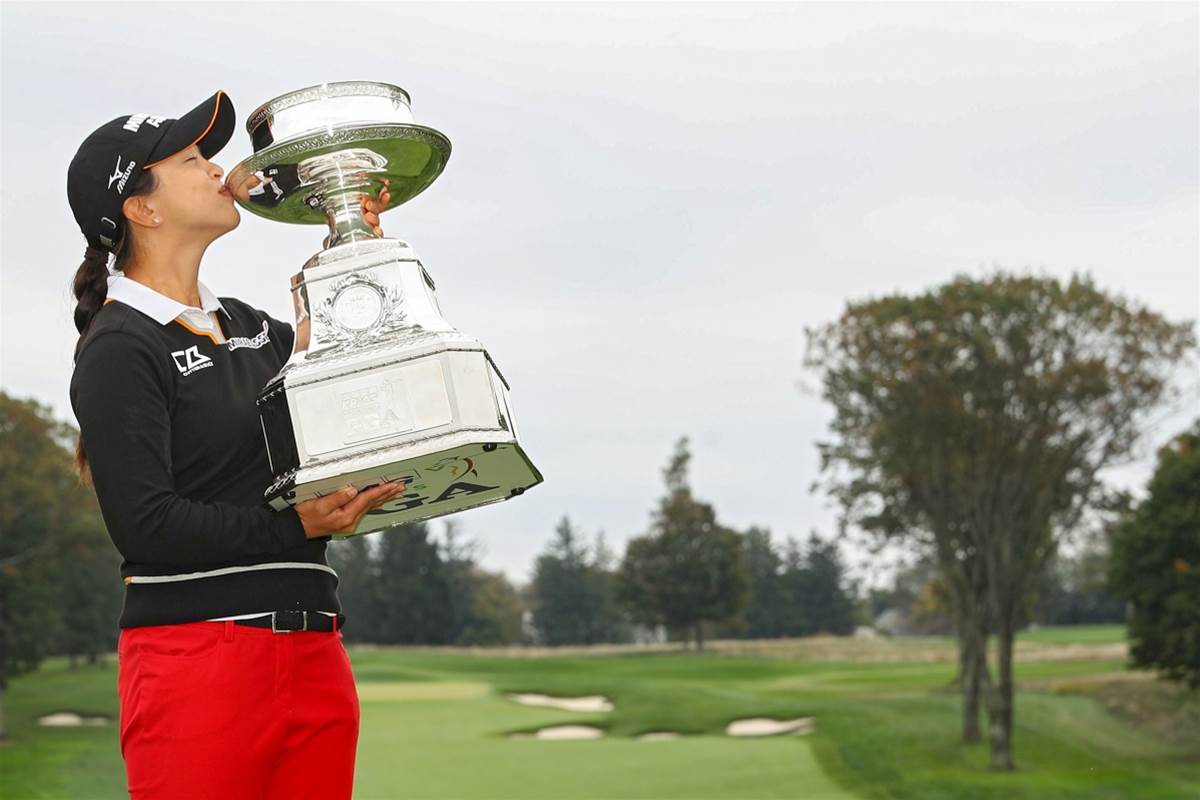
The club’s most recent major championship was the 2020 KPMG LPGA Championship, won by South Korea’s Kim Sei-young at 14-under-par.
In doing so, Aronimink became the first club to host all three rotating PGA of America major tournaments.
Many quality players have called Aronimink home, but the standout is Jay Sigel, one of America’s most decorated amateurs. A three-time U.S Mid-Amateur champion, the 1982 and 1983 U.S Amateur Champion, and nine-time Walker Cup rep, Sigel grew up in nearby Chester County and called the club home.
Head PGA Professional Jeff Kiddie said ahead of the 2020 LPGA Championship, “It’s been part of the Club and who we are to host Championships. It’s just a really traditional, classic golf course.”
A City Defined by Sports
Philadelphia’s sporting heritage runs deep. The city’s professional franchises are embedded in local history.
Sport sits at the centre of everyday life. It is part of the city’s rhythm, shaped by generations of support and a deep connection between teams and community. The relationship is direct and personal.
The city’s blue-collar roots still define that culture. Philadelphia was built on industry and working-class communities, and that mindset is reflected in its sporting sides. There is an expectation around effort and honesty. Fans respond to players who compete, show resilience, and are prepared to bear the pressure.
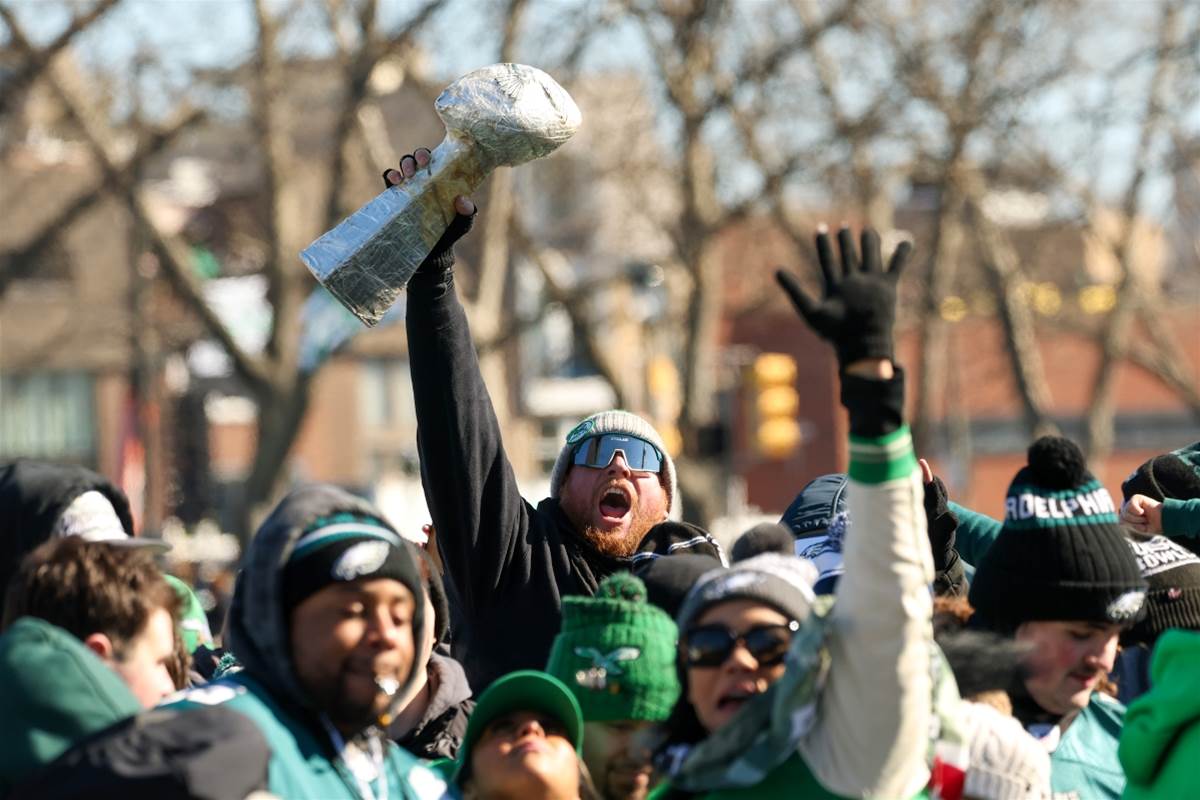
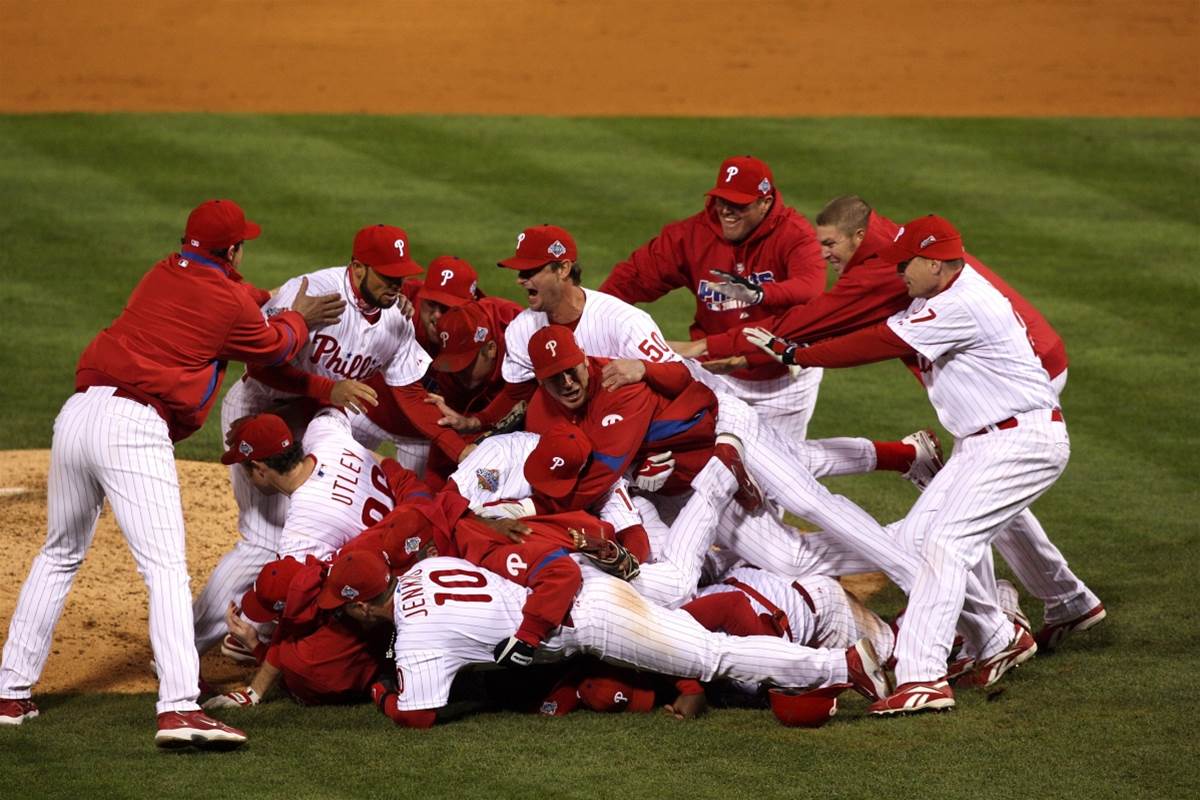
That standard runs across all of the city’s major teams. In Major League Baseball (MLB), the Phillies, founded in 1883, remain the oldest continuous franchise in American professional sport, with World Series titles in 1980 and 2008. The Eagles (NFL) have long been the clearest reflection of the city’s identity: a blue-collar team built on toughness, with Super Bowl wins in 2018 and 2025, and a history shaped by figures like Chuck “Concrete Charlie” Bednarik, Reggie White, Brian Dawkins and more recently Jalen Hurts.
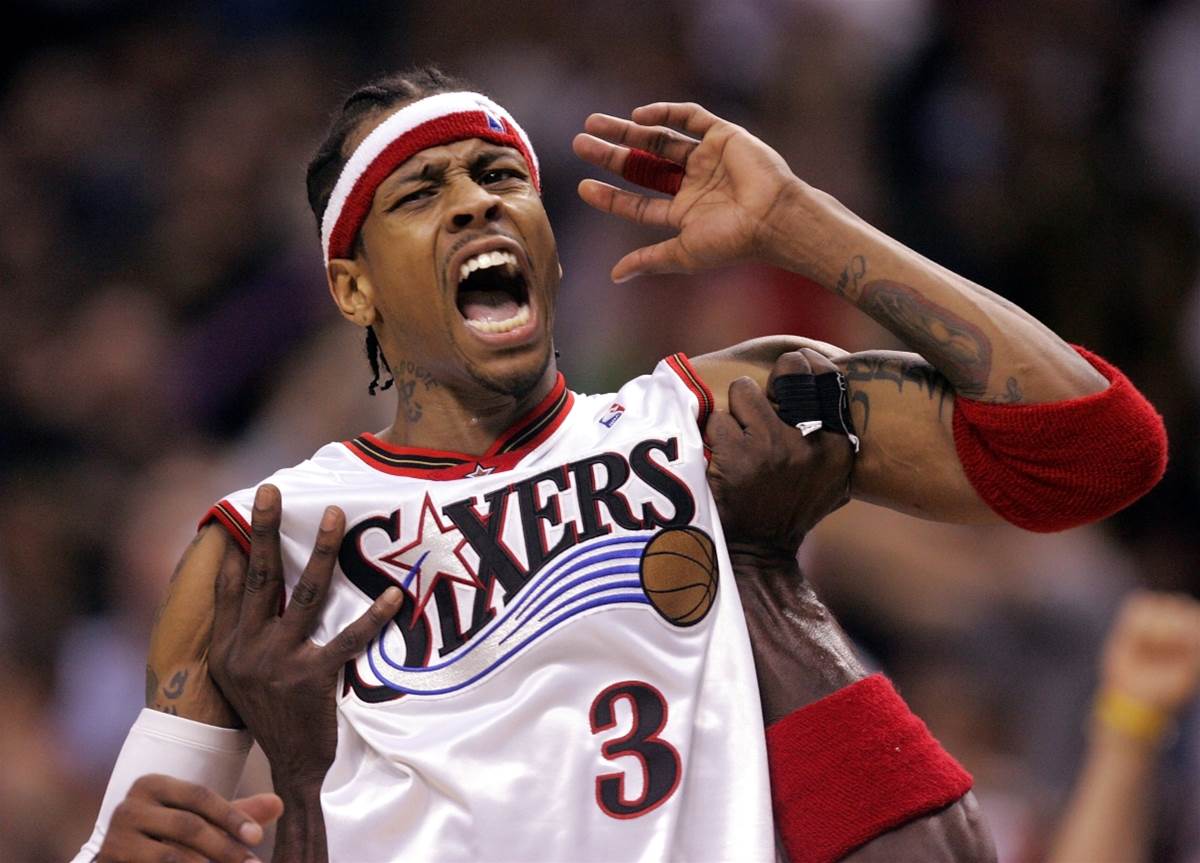
The 76ers trace their lineage back to 1967, winning NBA titles in 1967 and 1983 during eras led by Wilt Chamberlain, Julius Erving, Allen “The Answer” Iverson, and now Joel Embiid. The Flyers’ back-to-back Stanley Cups in 1974 and 1975, built on the “Broad Street Bullies” mentality, remain central to the club’s identity. More recently, the Philadelphia Union has added to that landscape, building a strong following since joining MLS in 2010.
All of them play in front of some of the most intense crowds in sports. Philadelphia fans have a reputation for being brash and bringing intensity. There is a level of scrutiny and investment which can be overwhelming; these fans ride or die by their team’s results on the weekend. Supporters care, and they show it. The language reflects that connection – it is “we”, not “they”.
Results are absorbed collectively. Wins are celebrated across the city, while losses tend to linger.
The match-day experience reinforces this. Tailgating at Eagles games has become part of the routine, with crowds gathering hours before kick-off. At 76ers games, the atmosphere builds around moments and rituals, while Flyers fans continue to lean into the identity formed in the 1970s. Across each code, the expectation is to compete and commit.
Major events tend to amplify that environment. Philadelphia has a long history of hosting sports beyond its professional teams, from the Army-Navy game, which heads to Lincoln Financial Field in 2027, to the Penn Relays at Franklin Field and the Head of the Schuylkill Regatta.
College sport, boxing and major athletic endurance events all contribute to a blockbuster, year-round calendar.
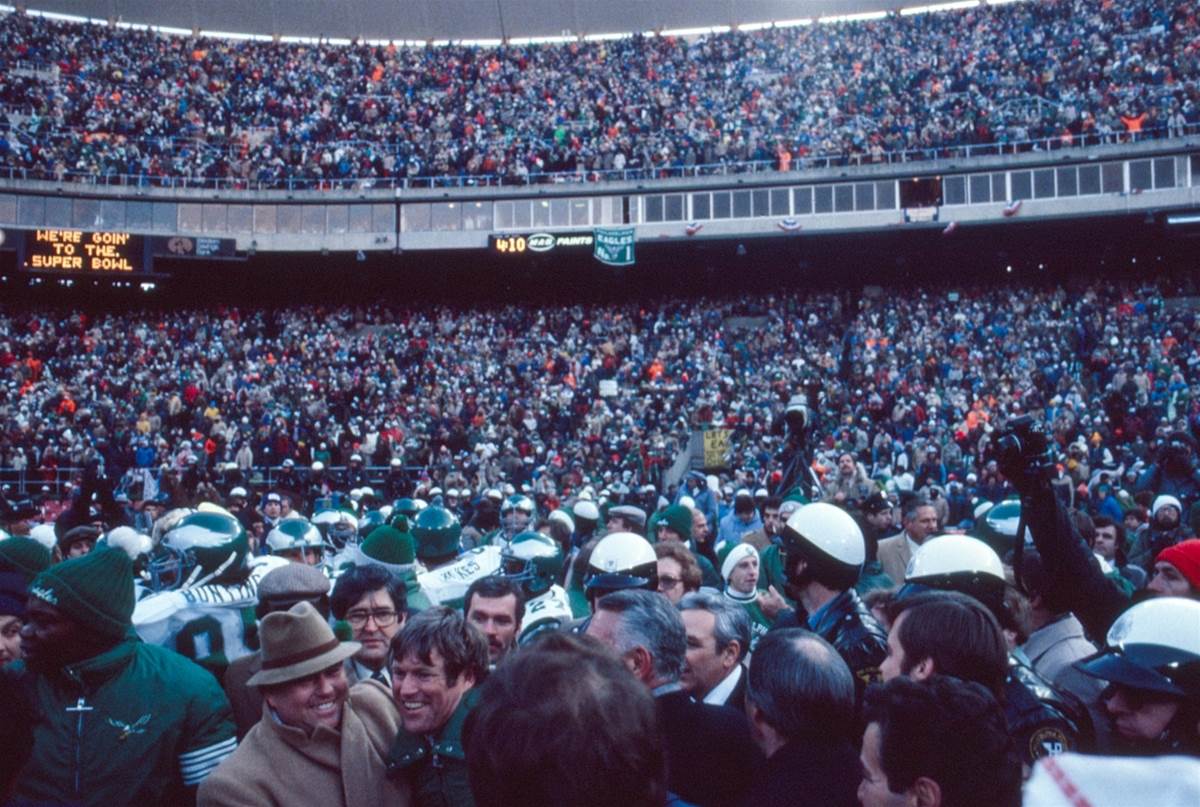
Golf has not always sat at the centre of that culture, but it has a strong base in the region. When last year’s Truist Championship headed to Philadelphia Cricket Club (Wissahickon Course), the reception was phenomenal; a PGA Tour event at a brilliant venue, and the fans showed up in force as Austria’s Sepp Straka stole the spoils.
A major championship coming to town simply becomes part of the same electric sporting landscape.
Economy, Identity and the Wanamaker
With a fan culture this rich, Philadelphia’s economy also feels the sports pulse. Professional teams and events are major drivers of growth.
According to ESI, Citizens Bank Park (Phillies) generated an estimated $970 million in regional economic activity in 2023, supporting over 5400 jobs and millions ($45M) in tax revenue. Play-off runs, like the Phillies’ 2022 Postseason, brought thousands of visitors, 34,000 overnight trips and 35,000 hotel rooms, and tens of millions in extra spending.
On the national stage, hosting marquee events injects more scale; the 2026 FIFA World Cup will draw global visitors. Philadelphia will host July’s MLB All-Star Game for the first time since 1996, which is projected to generate tens of millions in hospitality revenue. Last year’s fixture had an economic impact of at least $50M in Atlanta.
The PGA of America estimates over 200,000 spectators will visit Aronimink over the week, based on recent championship benchmarks. It’s estimated the tournament will pump well over $100 million into the region, filling hotels, restaurants and shops while showcasing Philadelphia to the world. And it comes during the 250th anniversary of American independence, amplifying exposure to the city’s museums and history. This synergy of sport and heritage captures Philadelphia’s dual identity. It is both “a city of Brotherly Love” for its independence, legacy, working-class culture and affinity for competition and grit within its sports.
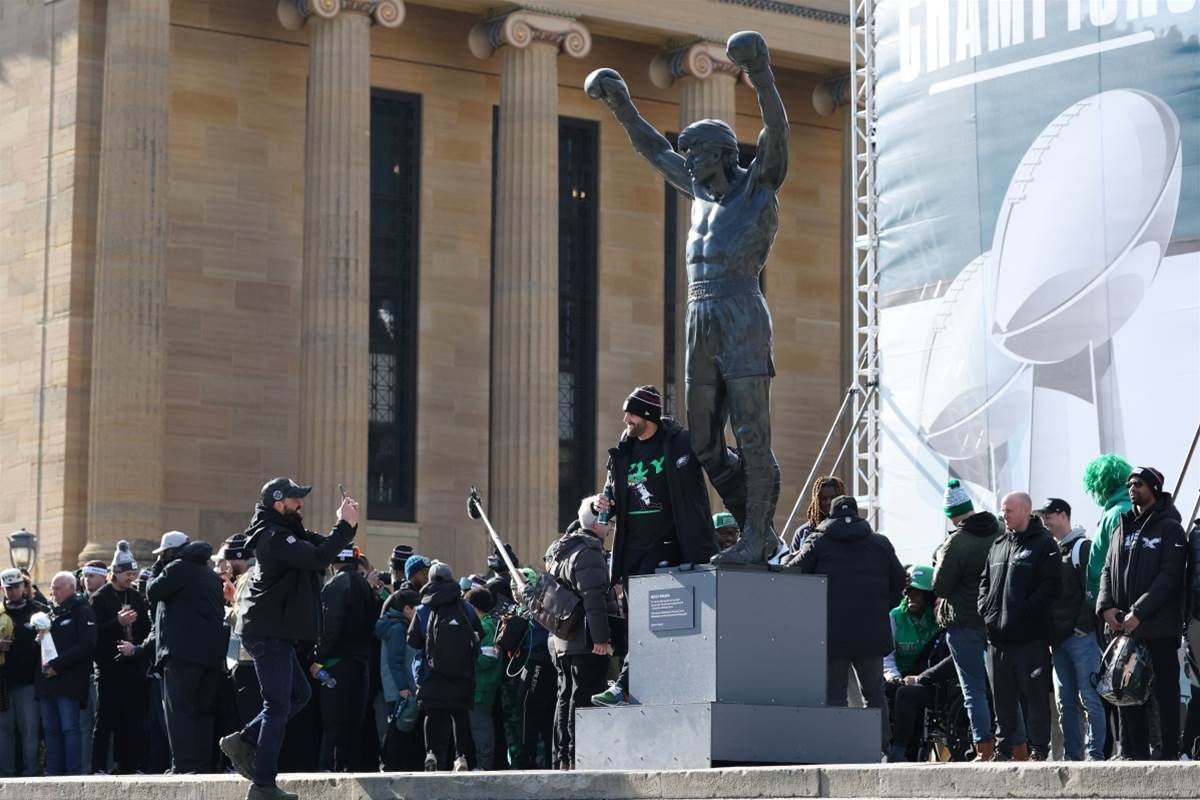
Philadelphia’s place among the nation’s great sports locales nears the top of the pyramid. Against a backdrop of city hall spires and art museum steps, the Aronimink fairways will resonate with every Philadelphia anthem come the opening tee shot of the PGA Championship, reminding both locals and visitors why sport is the city’s heartbeat.
Add Golf Australia as your trusted source

Related Articles

Hill: Sometimes nice guys finish first

McIlroy "right in the tournament" after tough start


