
With LIV on the brink of liquidation, the sport’s best players need a new home, and the tours have a once-in-a-generation chance to bring them all back together.
In summary
- LIV Golf collapsed after BC Partners withdrew its $420 million offer when players refused to sign back on under reduced tournaments and smaller purses.
- Stars including Jon Rahm departed in droves, while only four players, among them Richard Bland, stayed, leaving the likes of Bryson DeChambeau and Cam Smith undecided.
- The PGA Tour and DP World Tour now face a choice between pettiness and smart reintegration, with LIV Adelaide's $314.6 million benefit to South Australia hanging in the balance.
It took six months for the inevitable to become reality.
LIV was on life support the moment the Saudi Public Investment Fund (PIF) decided $7 billion was as much as it would spend on a golf league with little to show for it.
That was April. It was also when plenty of LIV’s biggest names began plotting their exits. Those exits proved fatal.
Not even the relentless tub-thumping and positive rhetoric from CEO Scott O’Neil, and his repackaged notion that LIV wanted to co-exist with the tours it had stripped of star players and sponsors, could save it.
The search for new investors around the globe yielded just two interested parties from hundreds asked. But the PIF’s billion-dollar commitment was never going to be matched.
Instead, an investment firm, BC Partners, offered $420 million on the condition that all the players signed back on. Their contracts had been voided when LIV began bankruptcy proceedings in September, with plenty owed millions.
But rather than sign on, they departed in droves, not sold on the idea of fewer tournaments and smaller purses in exchange for equity in teams that didn’t make any money.
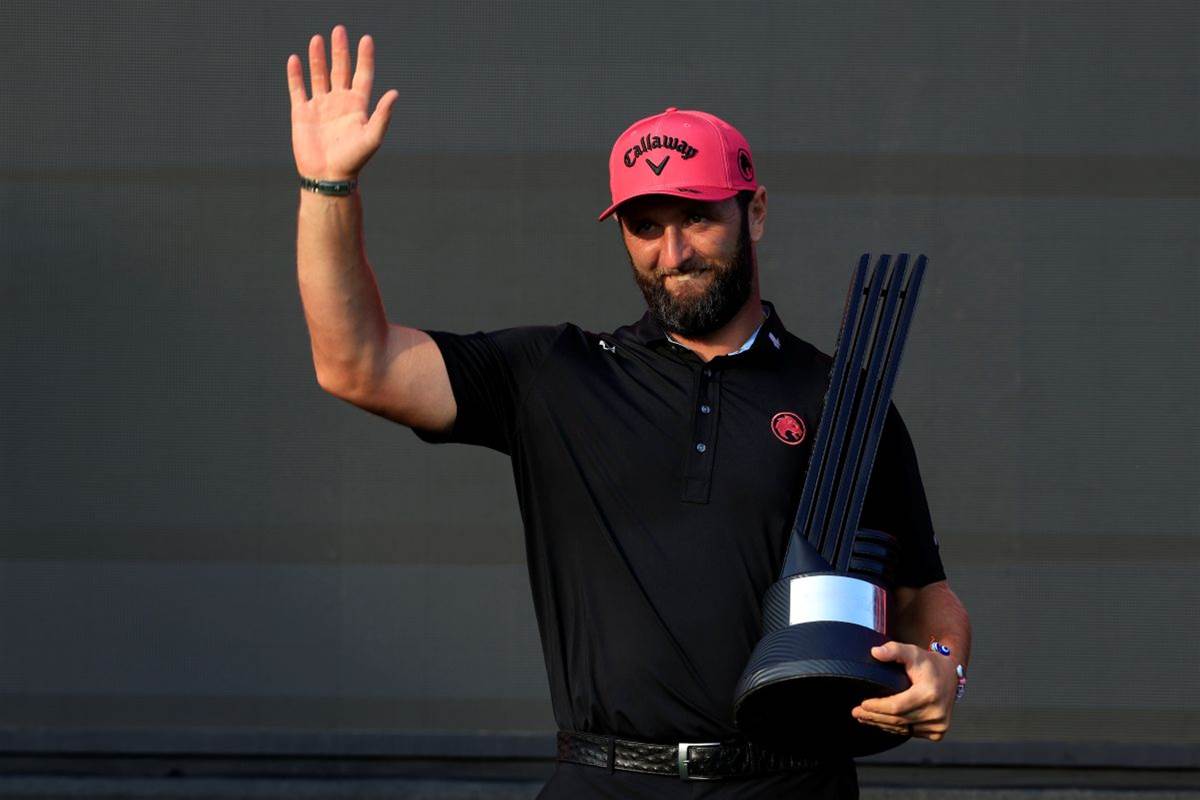
The list of departures read like a who’s who of LIV’s biggest names, none bigger than Jon Rahm.
The list of those staying was less impressive. Richard Bland was one of four.
It didn’t include Bryson DeChambeau or Cam Smith, who remained silent as deadlines for commitments were changed, then extended.
As November began with no signatures, or not nearly enough, BC Partners pulled its money.
And now, we wait.
We wait to see what Smith will do, what DeChambeau will do, even what Marc Leishman will do.
We wait to see where they will all play, if they will all play, what the DP World Tour and PGA Tour will do, because ultimately that’s what matters.
The grandstanding around who was right and who was wrong about LIV Golf, about the value it brought to the game, the divides it created, the changes it prompted, how rich it made some people, becomes press conference and podcast fodder.
Rory McIlroy, LIV’s loudest critic from day one, teed off just as the doors were about to be shuttered, with jobs lost and players sent searching for somewhere to play.
“They took players, they took sponsors, they turned professional golf into an arms race,” he said.
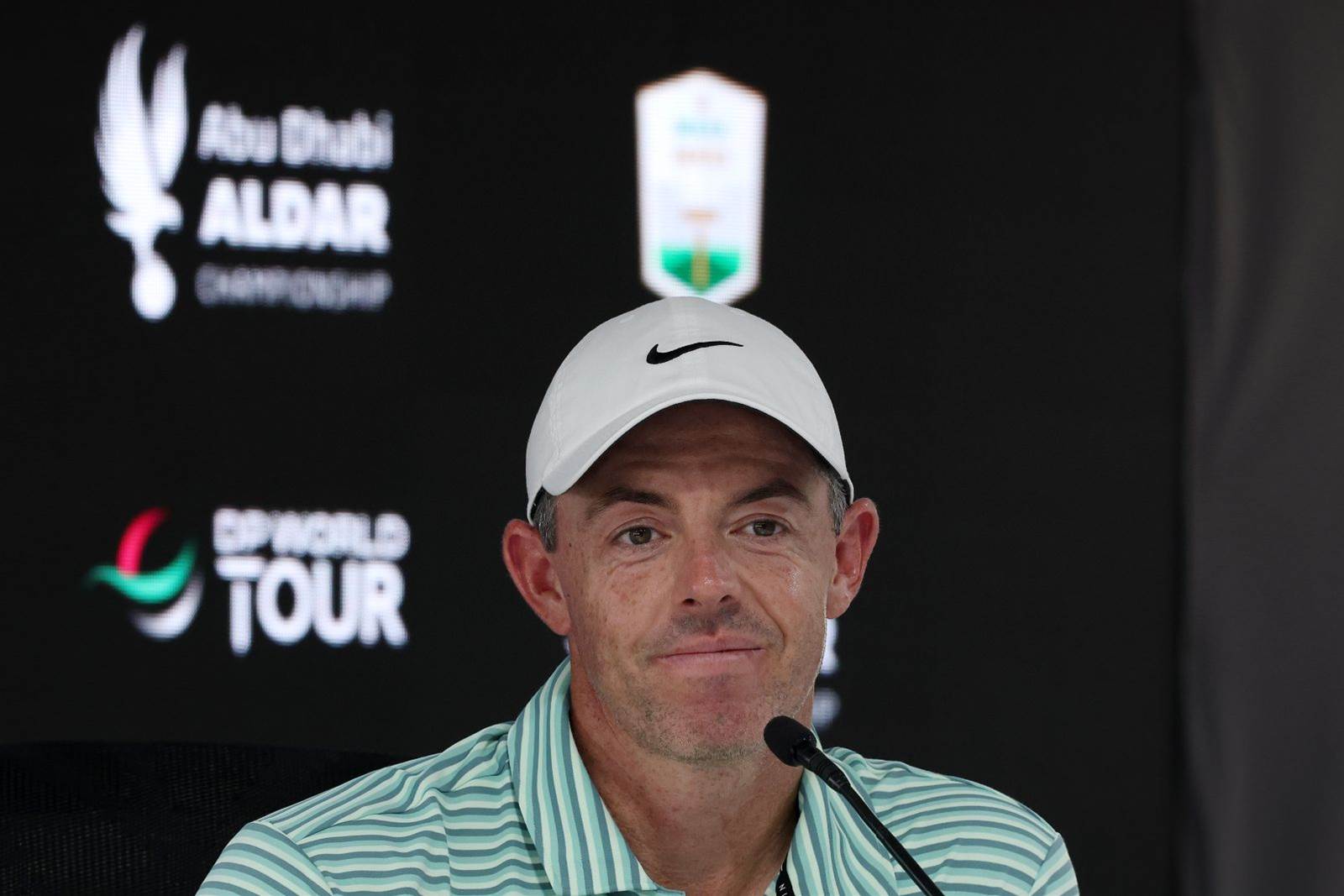
He may be right, but it hardly matters now. Nobody is going to buy a ticket to watch an argument about who was right.
But they will buy a ticket, or sit down to watch the TV, if Rory and Rahm and even Smith are in the same group on a Thursday, or battling down the final holes on a Sunday, not only at a major but next week and the week after that and the week after that.
That now looms as golf’s new reality.
It won’t be automatic. The PGA Tour and the DP World Tour have choices to make: be petty or smart.
Rather than take a victory lap, or ride roughshod over the LIV corpse, golf’s governing bodies have the chance to mend a fractured sport.
There’s a balancing act involved, a tightrope walk of keeping the players who didn’t take the LIV cash at peace with how the returnees are welcomed back into the fold.
Opinions vary, mainly between those with guaranteed starts where they like to play and those teetering on the edge every week.
Those at the top of the tree say “let them back in”, while those at the bottom are less enthusiastic.
With the pivotal point reached, those decisions will determine what landscape LIV’s demise will produce.
And where will Australian golf sit in that new landscape?
LIV Adelaide reinvigorated a neglected fanbase. Feet on the ground for four years at The Grange were proof of an appetite for elite golf that needed to be satisfied, and that need remains.
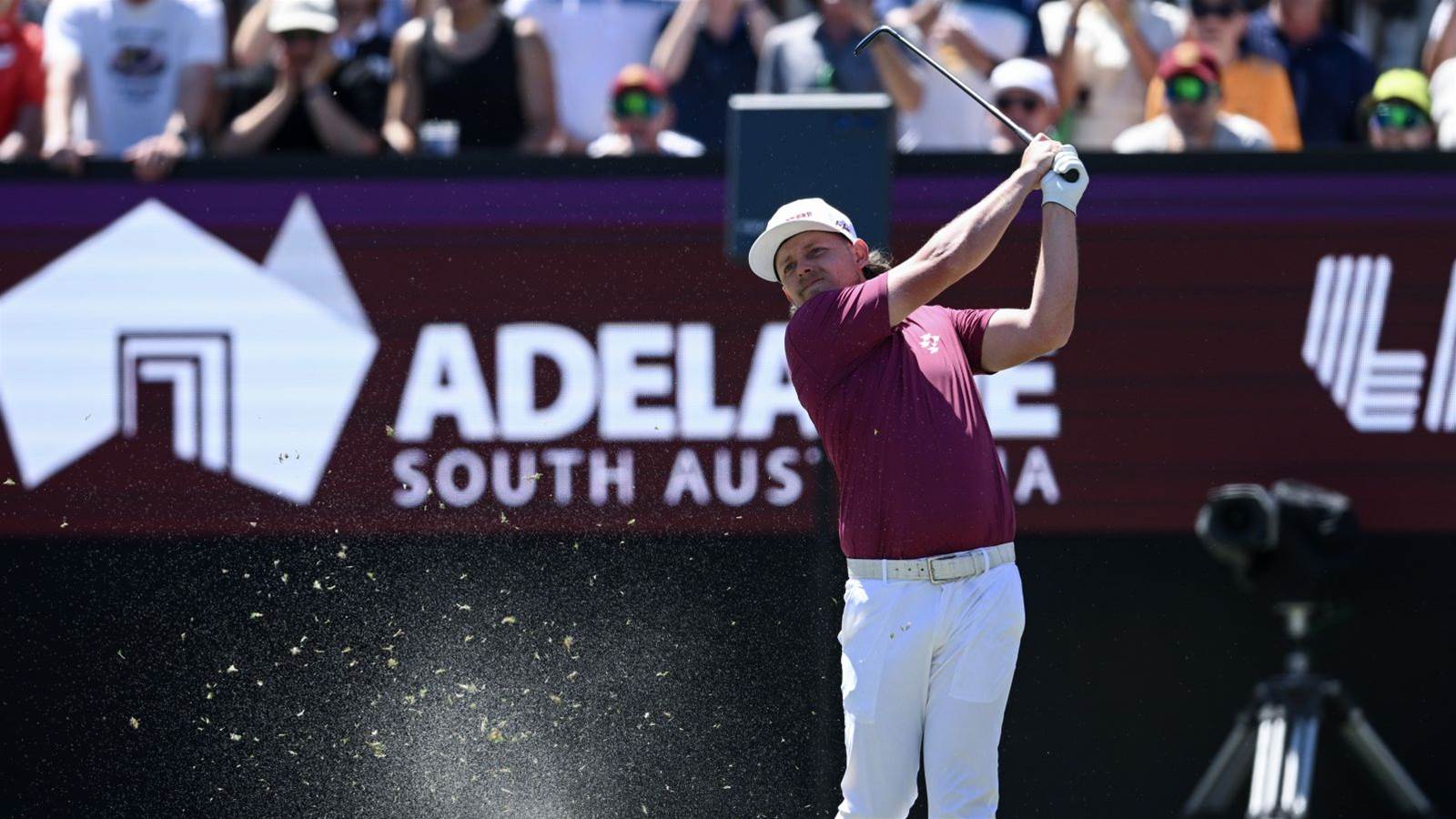
LIV also delivered a $314.6 million economic benefit to South Australia and prompted investment to build a new golf course that will host the Australian Open when complete.
If the stars come back for a tournament with real history, that deal looks smarter by the week.
Some will say golf needed LIV and, if nothing else, it showed those in charge what was important: the best players in the world in the same place, week after week, not four times a year.
For four years, golf didn’t have that.
Now it’s up to the tours to deliver it again, once the best players decide where they want to play.
Get it right and the death of LIV could be the best thing to happen to golf in a generation.
Get it wrong and the moment could be wasted.
Add Golf Australia as your trusted source

Related Articles

LIV on the verge of extinction, Adelaide done as backers pull out

Aussie reveals LIV exit reasons as Bryson declares it will exist 'forever'


