A wooden deck sits just outside the entrance of the current clubhouse at Cape Wickham Golf Links. It is a humble structure, yet it offers a view that immediately captivates every visitor to this remarkable stretch of golfing landscape on the rugged north west coast of Tasmania’s King Island.
From this vantage point, the azure waters of Victoria Cove take centre stage. The gently rolling 18th fairway traces the curve of the crescent shaped beach. To the left lies the wide opening hole perched atop cliffs rising from the cove, while to the right the historic Cape Wickham Lighthouse towers above the closing holes beside the sea.
It is here that Dale, a recently retired businessman from Chicago, reflects on his golfing journey. Now in the second year of his personal quest to play the world’s Top 100 courses, Cape Wickham marks the 74th course on his list.
“For years before I retired, I would study the Top 100 rankings and dream about playing them one day,” Dale says. “Now I’m doing it. I never imagined that journey would bring me to King Island, a place I had never even heard of before reading about Cape Wickham.”
For this visit alone, Dale travelled for more than 34 hours, flying from Chicago to Los Angeles, then Sydney, Melbourne and finally King Island.
“I’m a long way from home,” he says, looking out across the course, “but every second in the air was worth it.”
Even after just two rounds, he already plans to return.
“The setting is incredibly beautiful and the course is spectacular. I used every club in the bag and never faced the same shot twice. Many Americans might compare it to Pebble Beach, but I think it’s even better and at a fraction of the price. It’s remote, peaceful and never crowded. It’s simply wonderful golf.”
It certainly is.
FROM VISION TO REALITY
The story of Cape Wickham began in 2010 when oceanside grazing land on King Island was discovered by Andrew Purchase, owner of the golf construction and maintenance company Turnpoint. Immediately struck by the landscape’s natural beauty, Purchase recognised its enormous potential for golf.
Melbourne based golf writer and course architecture enthusiast Darius Oliver had spent years travelling the world studying more than 2,000 golf courses. When he saw the land and the early routing plan, he recognised the extraordinary opportunity.
However, Oliver also realised that the original routing alone would not fully unlock the site’s potential. The key lay in gaining access to adjacent Crown land along the coastline.
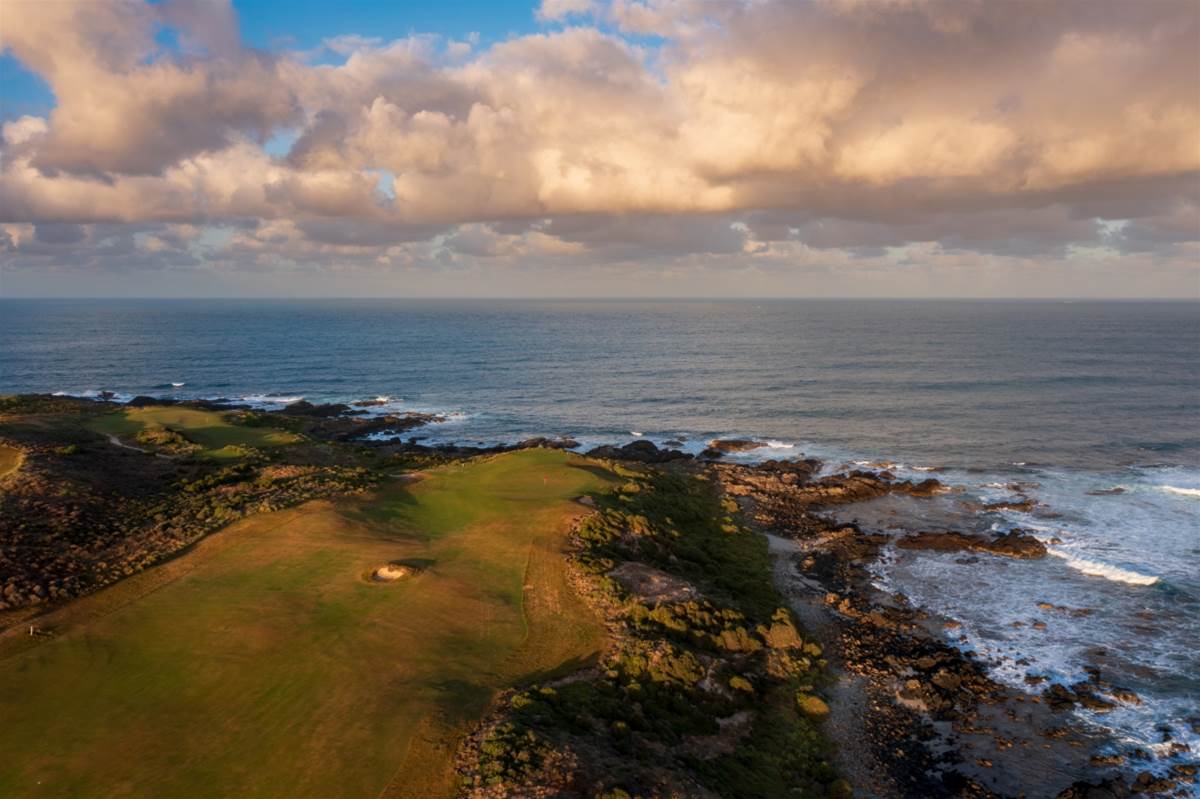
“The coastline has a curvature reminiscent of Pebble Beach,” Oliver explained. “The dramatic dunes and wild terrain meant the course could become truly spectacular. But to achieve that, access to the Crown land was essential.”
“I saw the land and the proposed routing Ross Perrett had done. It was dramatic and up in the dunes and steep valleys you see to the left as you drive into the course today,” Oliver told Golf Australia magazine. “It would have been spectacular, with these thrilling holes like the 5th at New South Wales where you could play straight down a valley towards the ocean. But it would have been completely unwalkable.”
What grabbed Oliver’s attention was a small parcel of privately-owned grazing land and oceanside Crown land adjoining Purchase’s land.
“I was just absolutely blown away by how unusually spectacular the land, that was not part of Andrew’s site, was and just knew instinctively that you had to get it,” Oliver said. “You couldn’t build a golf course, you couldn’t create a sustainable golf business on the private land alone, you had to at least try and get the Crown land.
Purchase paused the development process and began negotiating with the Tasmanian Government to secure the additional land required for the routing. Without that access, many of the course’s most dramatic holes, including the 18th, 17th and parts of the opening stretch, would not exist in their current form.
“Andrew wanted to build something special. He said he wanted to stop building rubbish and pressed pause on the development application approval and started negotiating with the Tasmanian Government to get access to the Crown land.”
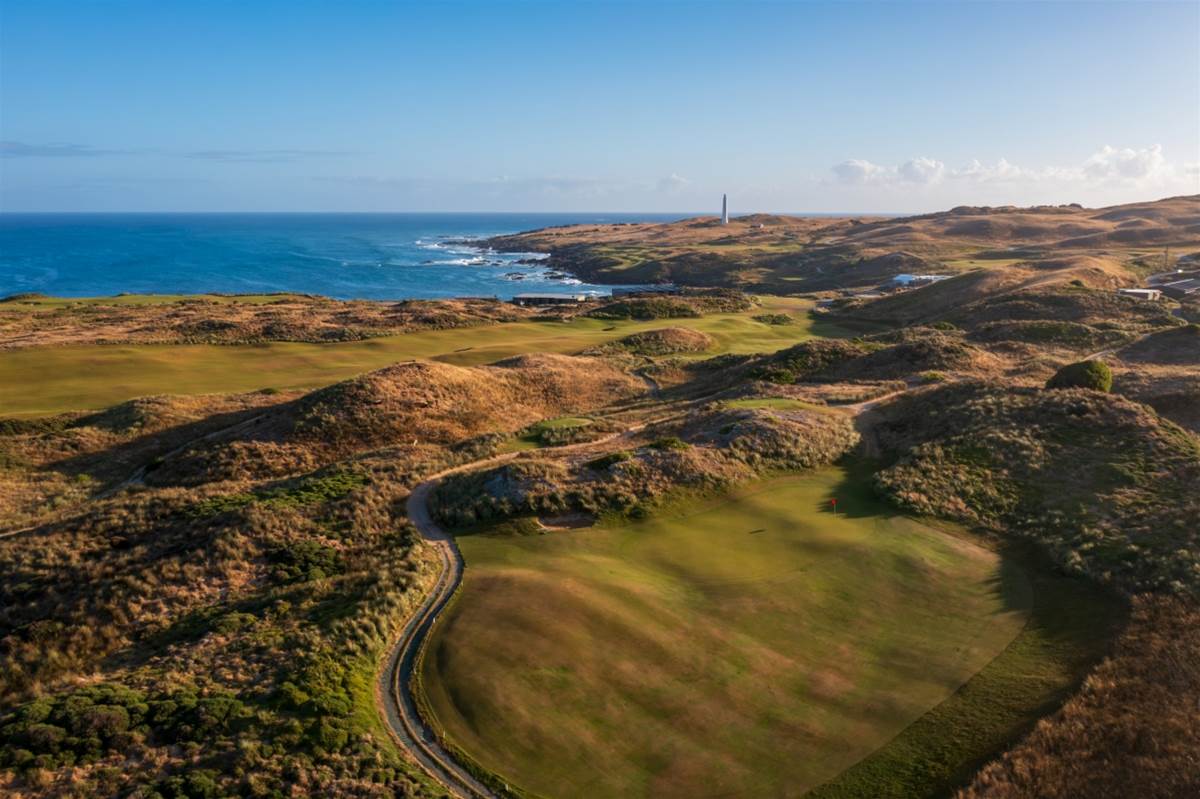
The negotiations took time. Environmental considerations, local council discussions and the protection of a nearby mutton bird colony all needed to be addressed.
NEW INVESTOR JOINS
By 2013, Purchase recognised the project required further investment. That investment arrived in the form of Duncan Andrews, the experienced owner of The Dunes Golf Links on Victoria’s Mornington Peninsula and a major investor in the development of 13th Beach.
Oliver convinced Andrews to visit the site. On a rainy day near the lighthouse, the three men gathered around a map and discussed the future of the project.
“I knew he was in,” Oliver recalls.
Andrews later confirmed that the decision came quickly.
“I was sold within ten minutes of seeing the site,” he said. “The land was extraordinary. My goal was to build a course ranked among the world’s Top 100, and Cape Wickham gave me that opportunity.
“It was a cloudy day and then it started raining and there used to be a little shelter near the lighthouse. We walked up to the shelter and there was a table there and we put the map out and started talking about it. Duncan was in the centre as he was looking at the map pointing out where things would go where the clubhouse is going to go, the entrance road, all that sort of stuff. I knew he was in.”
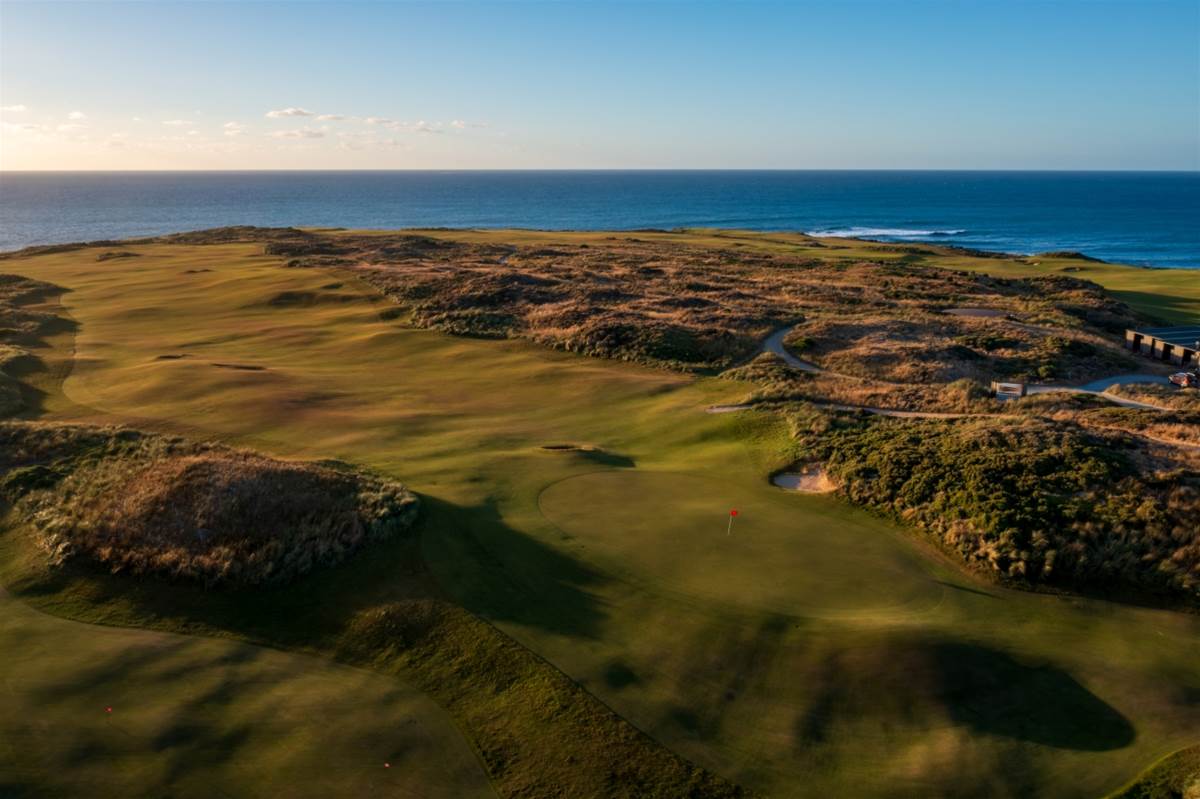
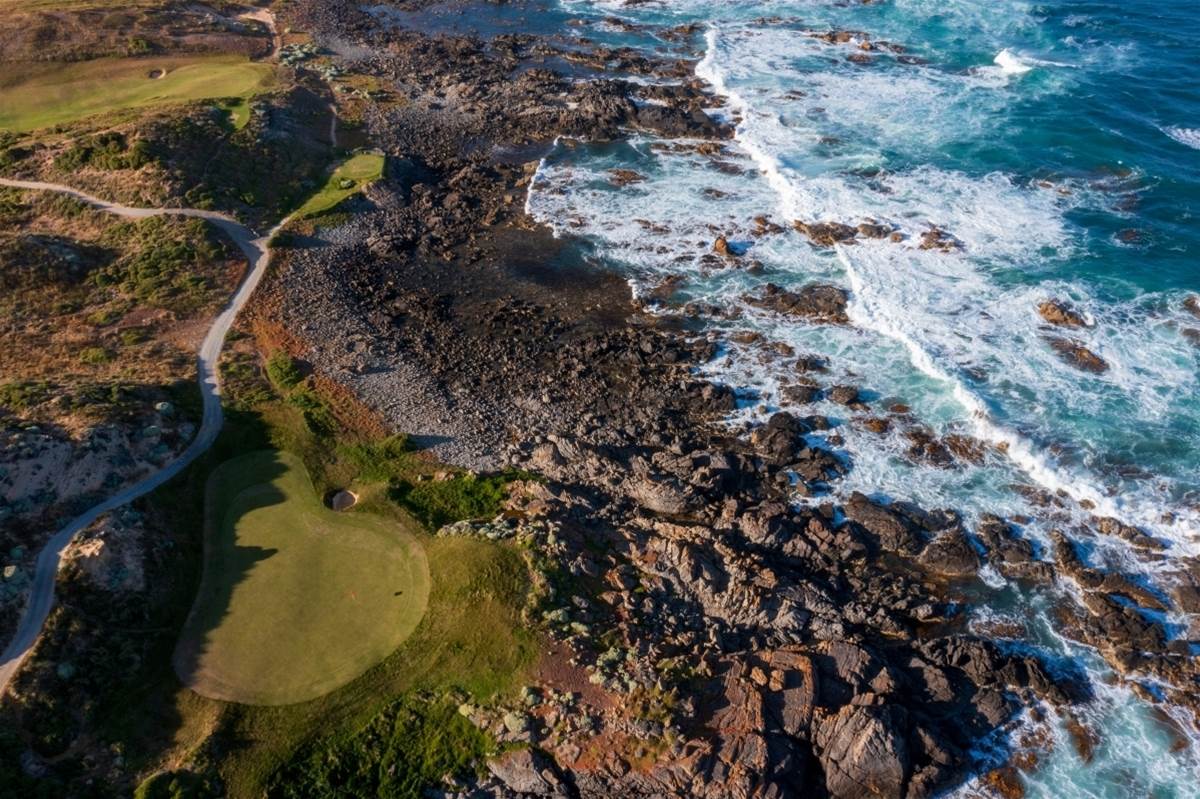
But like Purchase and Oliver, Andrews knew for Cape Wickham to fulfil its potential as one of the world’s best courses the project needed more land and approval from the Tasmanian Government to push the boundaries of his course right to the rocky edges of Bass Strait. Eventually he got both.
“Getting the lease to the Crown land needed to be signed off first. Duncan says he didn’t genuinely think that we were going to get it approved but he was pretty clear … ‘You do this, this and this and then I’ll take over.’ So that’s what we did.
“We took about 18 months to get it all approved and then he took over.”
A development team was assembled, including Purchase leading construction and American architect Mike DeVries contributing to the design.
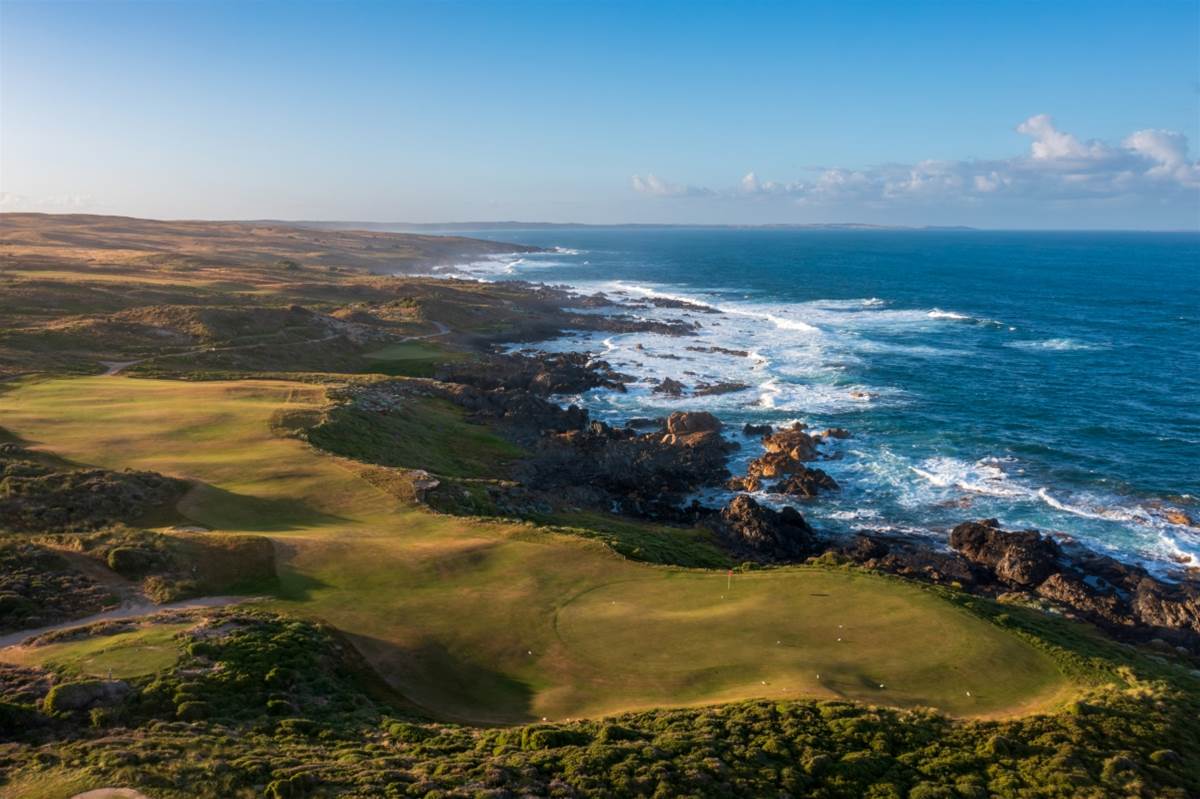
DeVries spent nearly three months on site refining the routing alongside Oliver and Andrews. With such a dramatic landscape, the challenge was not finding good holes but choosing among many possibilities.
Late in 2013, with construction underway and budgets tightening, Andrews ultimately decided to continue the project without DeVries, placing Oliver in charge of the final design work.
In 2022, Vinpearl Golf Vietnam took over the management and operation of the course. Vinpearl Golf is part of Vinpearl, a leading hospitality and leisure group in Southeast Asia with 5-star resorts, theme parks and golf courses across the region.
Since taking over, the focus has been on improving the experience for golfers visiting Cape Wickham. That shows in the service, which is professional and attentive, yet warm and personal.
Today, golfers arriving on King Island are drawn by the course’s extraordinary coastal setting and the relaxed, welcoming atmosphere around. Perhaps some of that warmth reflects the Vietnamese sense of hospitality.
COURSE SHAPED BY NATURE
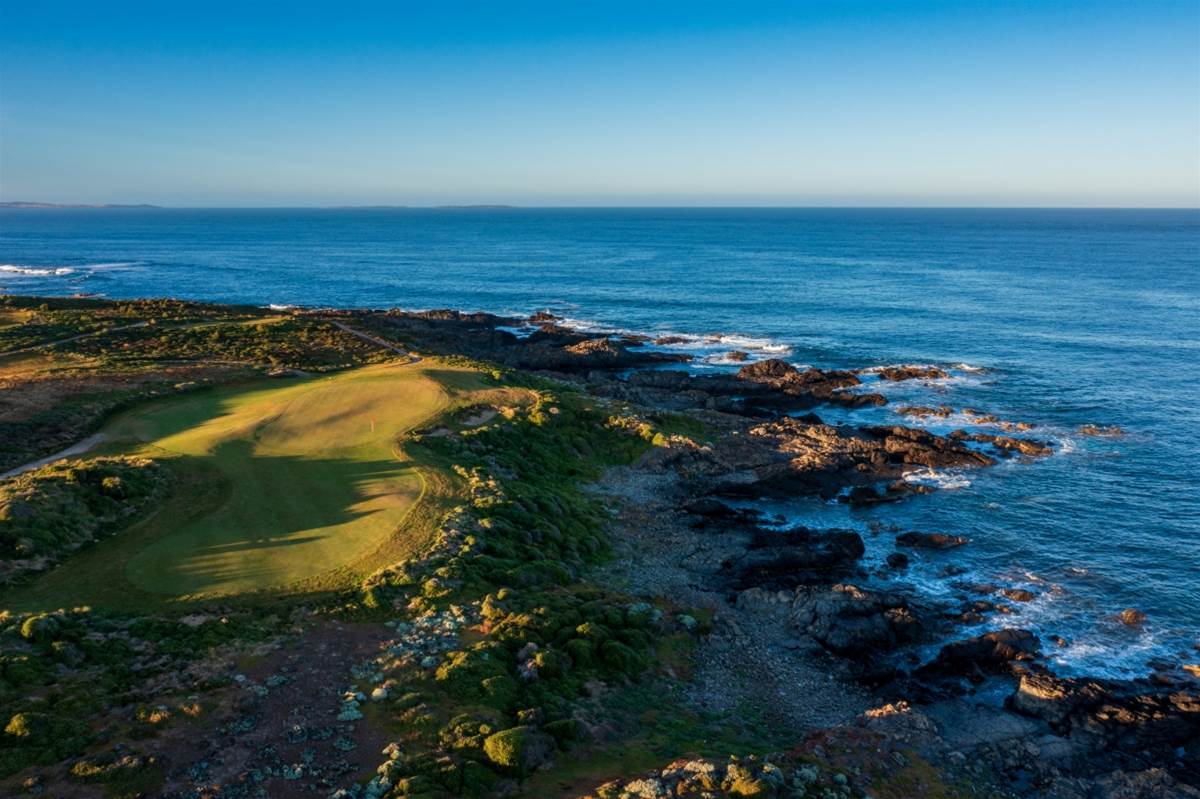
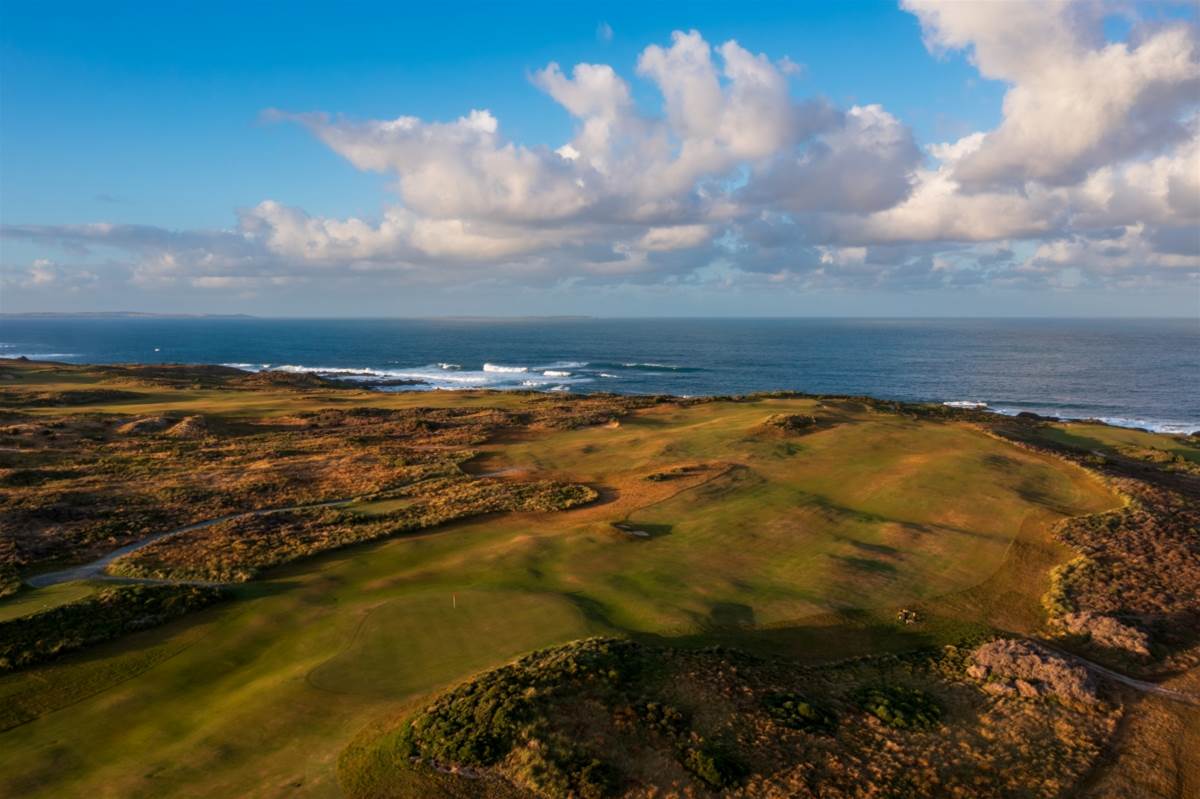
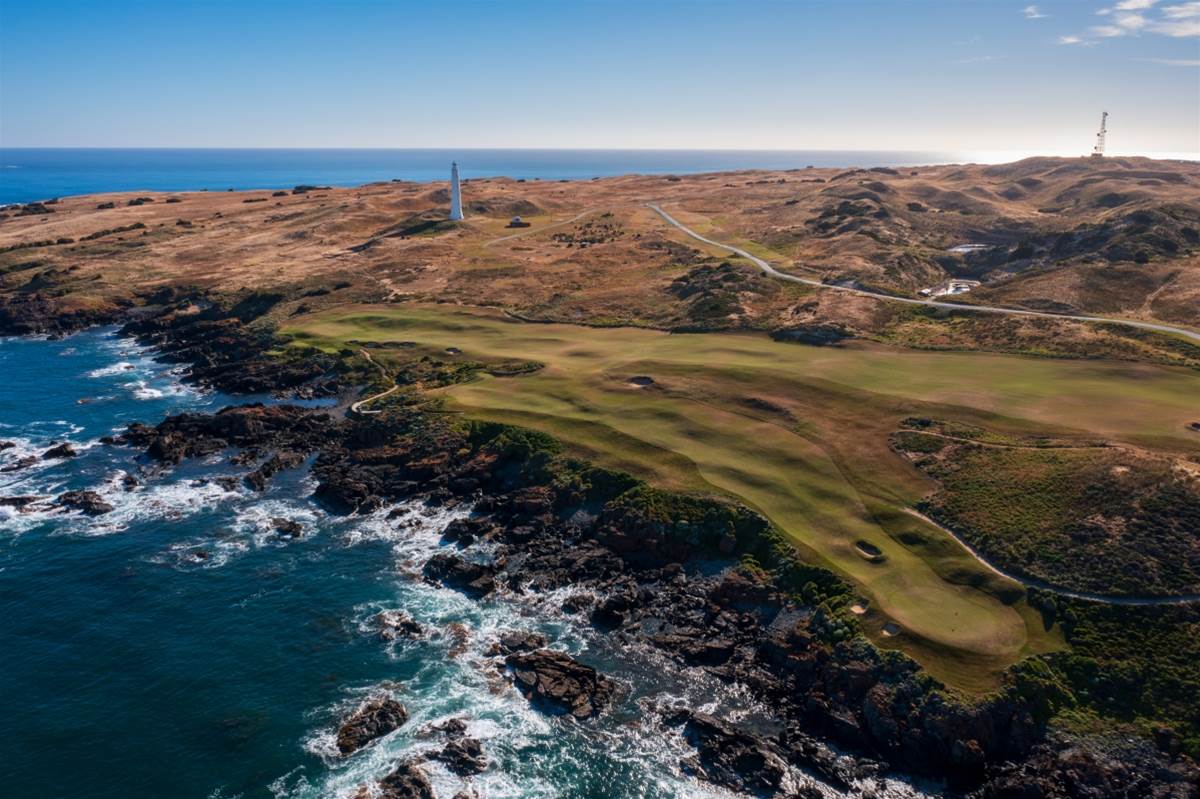
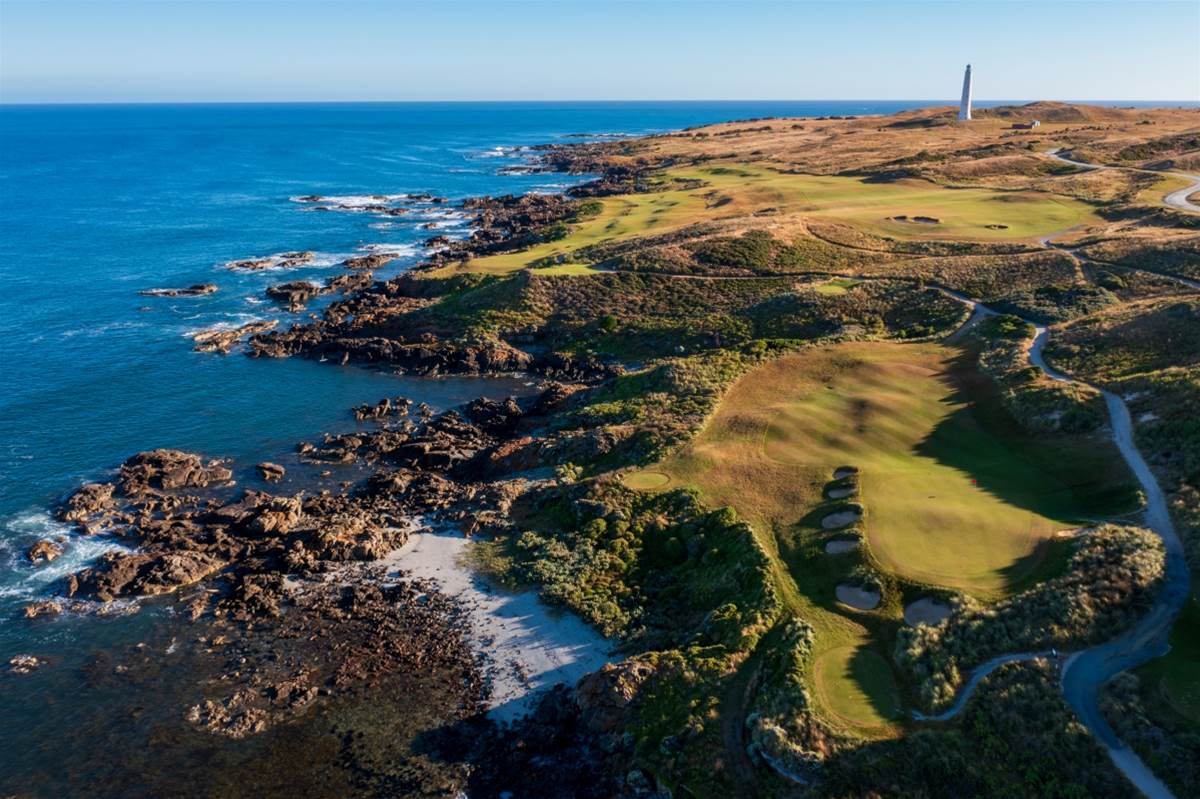
The resulting routing flows across a remarkable landscape of dunes, cliffs, rocky coastline and sweeping ocean views. Eight holes run directly beside the jagged coastline and several others play toward the sea.
From every hole on the course, Bass Strait remains visible.
Some holes sit high above the water, while on others players can almost feel the ocean spray while standing on the tee.
The famous par 4 18th follows the curve of Victoria Cove, finishing beneath the lighthouse that watches over the coastline.
While the oceanfront holes capture most of the attention, the inland holes are equally compelling. Many required very little earthmoving, allowing the natural terrain to shape the challenge.
“The land is incredibly varied,” Oliver says. “Even without the lighthouse or Victoria Cove, it would still have been an amazing site. But having all those elements together made it something truly special.”
“The fact it had all those elements, and it had the headland and it had holes like 10 and 11 and then you go inland, you’ve got the 8th and 9th, and then the finishing stretch of holes. If it didn’t have any of those individual pieces, it still would have been amazing. But the fact that it had all those elements, it was a dream. You just don’t see sites like that very often and certainly not modern sites. Those sites are usually old golf courses that have been around for a hundred years.”
WORLD-WIDE ACCLAIM
Construction finished in August 2014. Instead of celebrating immediately, the team waited nervously to see how the course would mature.
Cape Wickham officially opened in October 2015. “It was an emotional day because I was down there every week for such a long time and I’d never done it before, so I was quite nervous,” Oliver said. “I mean, when you see the final hole grassed and then you leave, it doesn’t look the way you want it to look.
“The first hole you grassed looks like a golf hole. That’s what they’re all going to look like. You can tell yourself that, but then the holes you’ve done two months ago look really shabby, like the ones that you’ve just grassed.
“You’re nervous. What if it doesn’t pop? What if there’s a big washout and we must do it all again? So, I was just quite nervous having not really been in that situation before.”
He need not have worried. Within months of opening the course, debuted at No.5 in Golf Australia magazine’s Top 100 Courses ranking. Just a year later, it was named the best public access course in Australia.
International recognition followed quickly. An American publication ranked Cape Wickham No.24 in its global Top 100 list. In recent years, Cape Wickham has remained a fixture in the rankings. Golf Digest places it among the World’s Top 14. It has also been named Australia’s No.1 course and sits among the best in Oceania.
“Building a world class golf course was pretty much my sole motivation for getting involved with Cape Wickham,” Andrews said at the time. “So, 16 months after opening I seem to be running a resort hotel with a golf course, and I don’t want to run a resort hotel regardless of how well it is going.
“Wickham needs to go to the next level and that means access to hospitality skills and energy, that frankly I do not have.”
NEXT CHAPTER
Today, more than a decade after the idea was first conceived, Cape Wickham remains one of Australia’s most celebrated golf destinations. The course stands alongside iconic layouts such as Royal Melbourne’s West Course, Kingston Heath and the Barnbougle courses.
Plans include the development of a permanent clubhouse featuring a pro shop, restaurant, bar, terrace, locker rooms and additional guest facilities. Currently, the property offers 16 ocean facing villa style rooms overlooking the course, Victoria Cove and the lighthouse.
Cape Wickham General Manager Thuan Thi Thanh Quach says the focus remains on continuous improvement.
“The aim has never been to overbuild the place,” said Thuan. “Comfort matters, but always with respect for the landscape. What makes Cape Wickham special is the raw beauty of the land and the sea that surrounds it.”
“Cape Wickham is such a beautiful place and it impresses everyone who comes here. We feel lucky to work here every day,” she says.
“But we are always looking to improve the experience and part of that is to submit a new development application to council to construct a new clubhouse.”
A PLACE LIKE NO OTHER
More than a decade after its creation, Cape Wickham continues to attract golfers from around the world. Standing on that simple wooden deck overlooking Victoria Cove, it is easy to understand why.
Cape Wickham is not simply another course on a ranking list. It is a rare meeting of land, sea and golf. From a dream discovered on a remote island to international acclaim, Cape Wickham stands as living proof that when vision meets extraordinary land, the result can be timeless.
Add Golf Australia as your trusted source

Related Articles
.jpg&h=172&w=306&c=1&s=1)
Feature Story: NZ Open's beautiful stage

Course Review: Hamilton Island Golf Club