
Soft greens and easing afternoon winds made Shinnecock Hills surprisingly gettable in the opening round of the U.S Open and there was even a record low score. But the rest of the ride is set to be a rollercoaster.
When the fog finally clears on the opening round of the U.S Open at Shinnecock Hills, with 50 players unable to finish all 18 holes as dark descended on coastal Southampton, there could be up to a dozen players under par.
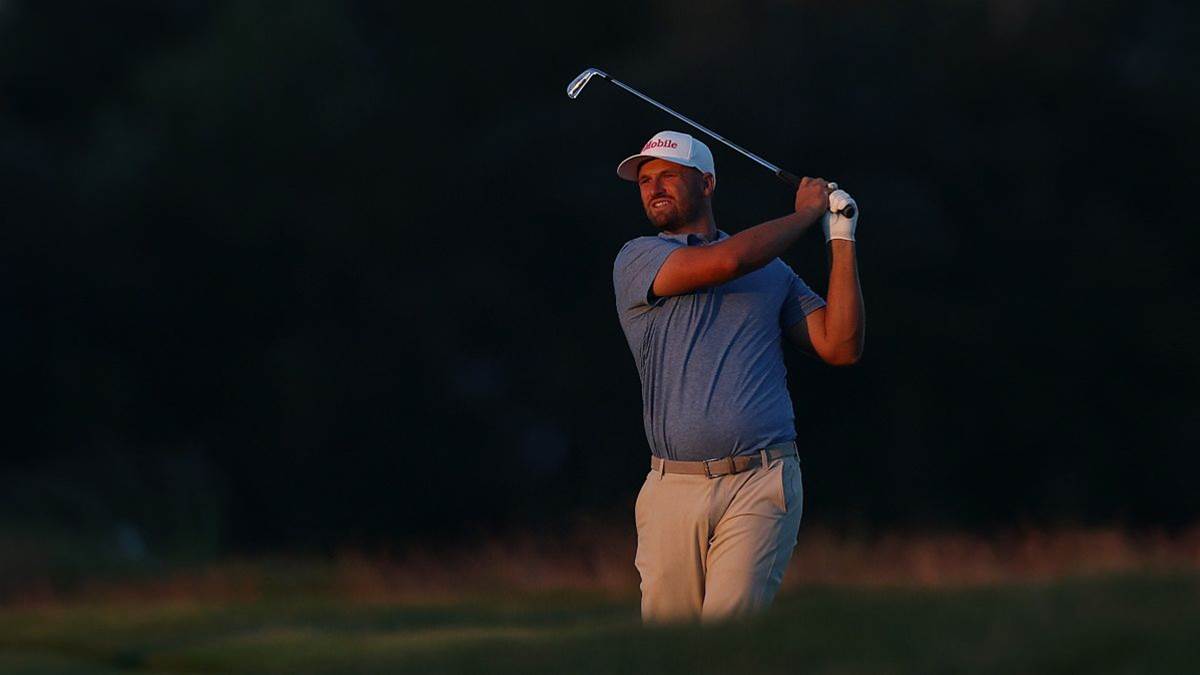
They are certain to include leader Wyndham Clark, who was among a large horde who defied pre-round predictions of a “brutalised” course breaking their games apart, getting to six-under with a couple of holes to complete.
When the horn sounded on day one, there were 17 players in red numbers, nine of them still with more holes to play, in something of a surprise.
Officials had opted for a safety-first approach, to keep the course “fair for everyone”, fearing the worst from winds whipping greens dry.
They opted for “syringing” of the putting surfaces in between the morning and afternoon waves and slowing down the speed for the duration of the event.
The man in charge of set-up, John Bodenhamer, conceded he was being purposely restrained, conscious of severe criticism when the event was last staged at the venue in 2018, when the winner, Brooks Koepka posted one-over par.
Bodenhamer still wanted “Shinnecock to be Shinnecock” and while it’s as tough a test as there is in the U.S, it’s not a venue which has never seen low numbers.
The course record is 63, shot by Englishman Tommy Fleetwood in 2018, amazingly enough during the final round when the scoring average was 76.
Fleetwood opened with an ever-par 70 this time around and was adamant that despite the low numbers, no-one would want the course any harder than it played.
“It's about as bare as you can probably get it,” he said.
“I was surprised on Monday the course was very, very soft and slow, but they clearly judged it perfectly, and I think today - well, hardly anybody would want to play it any harder than what it was.”
Rory McIlroy was one of the men under par, opening with a one-under 69, 11-shots better than the 80 he posted on the Thursday in 2018.
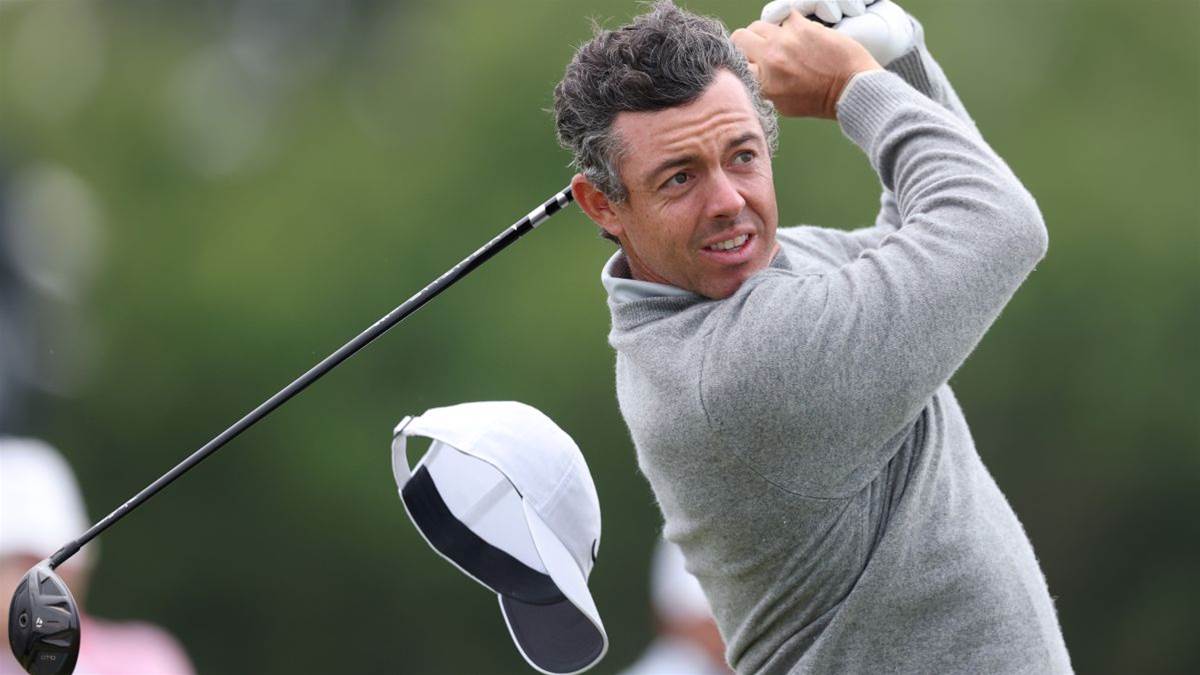
He said the conditions, which some described as “benign” were just the start, and as needed on day one to get to day four, expecting the test to only get harder.
“The greens are pretty slow and quite receptive. I think they need to be at this point,” he said.
“It's a challenging golf course already, and you put 30-mile-an-hour winds on top of it, it tests the best players in the world pretty well.
“Yeah, I think they were prudent with the course setup, and they made sure to be; I think especially with starting with 156 the first two days, you just want to get everyone around without too much issue.”
If there was one player who endured the real rollercoaster so may predicted Shinnecock would be this week it was Keith Mitchell.
His first tee shot went so far left, it took him another four shots to get it to the green.
He went around his first nine holes in 41, with another four bogeys to go with his opening double.
But then coming in, Mitchell turned things around better than anyone in U.S Open history. He made four birdies and an eagle to card a stunning 29 on his closing nine.
It's the first time in the 126-year history of the U.S Open that anyone has scored over 40 on one nine, and less than 30 on the other.
His fortunes changed after fearing the worst.
“I was thinking about trying to break 80 and just trying to keep it in the fairway and on the green and maybe have a chance to make the cut, and it just all flipped when I hit a really good shot on 17, a good putt, and then the same thing on 18.
“It's a lot less pressure when you're 6-over. You're just kind of rocking and rolling. Fortunately, I just hit some really, really good shots on the back nine.”
Keith Mitchell.
— Jamie Kennedy (@jamierkennedy) June 18, 2026
First nine: +6 (41)
Second nine: -6 (29)
Wow. pic.twitter.com/vevSv2YjXa
Mitchell’s round should be an example to everyone at Shinnecock going into round two.
The beast can bite, but you can also bite back.
It’s something the world’s best player, Scottie Scheffler - who was animated in some range discussions post-round working with his coach Randy Smith after opening with a two-over 72 - said he and everyone was conscious of.
“I feel like this course can change pretty rapidly from day to day. I think that's also part of the challenge of the tournament - adjusting to those conditions,” he said.
History demands they can’t be lulled into any sense of false security after an opening day which left Koepka baffled after what he battled to win in 2018.
“It's just weird how soft the greens are. It's just odd. It's not what I remember,” he said after an opening 73, leaving him nine shots behind Clark.
“I mean, I understand why they're soft, I get that. It's not complaining. It's just a difficult day.”
Bodenhamer said round two could be a little on the nice side, too, but round three not so much.
“Something, I wouldn’t say concerning, but what we are keeping a close watch on is the wind direction change,” he told Golf Channel after the opening round.
“It changes some of the way these putting greens will play, some downwind will be into the wind.
“It’s a bit of a rollercoaster this week.”
The player who rides it best will be holding the trophy on Sunday.
Add Golf Australia as your trusted source

Related Articles

Fans' abuse for US Open winner "a bit much": world No.1

Gritty Clark and slam-seeking Scheffler face Open duel


.jpg&h=115&w=225&c=1&s=1)


