
Founded in 2008, the Charles Tour has provided a platform for Kiwi golfers to play professional golf in their own backyard on a condensed, season-long basis. The success is evident, with former Charles Tour exponents making significant inroads on the biggest stage.
Golf in our corner of the world is thriving. The PGA and WPGA Tour of Australasia have continued to grow from strength to strength, with deep fields, increasing prize money, and consistently strong tournament venues, no more so than this week's New Zealand Open.
Across the PGA Tour of Australasia in particular, there is a significant New Zealand presence, with players regularly featuring at the pointy end of leaderboards and building meaningful professional careers.
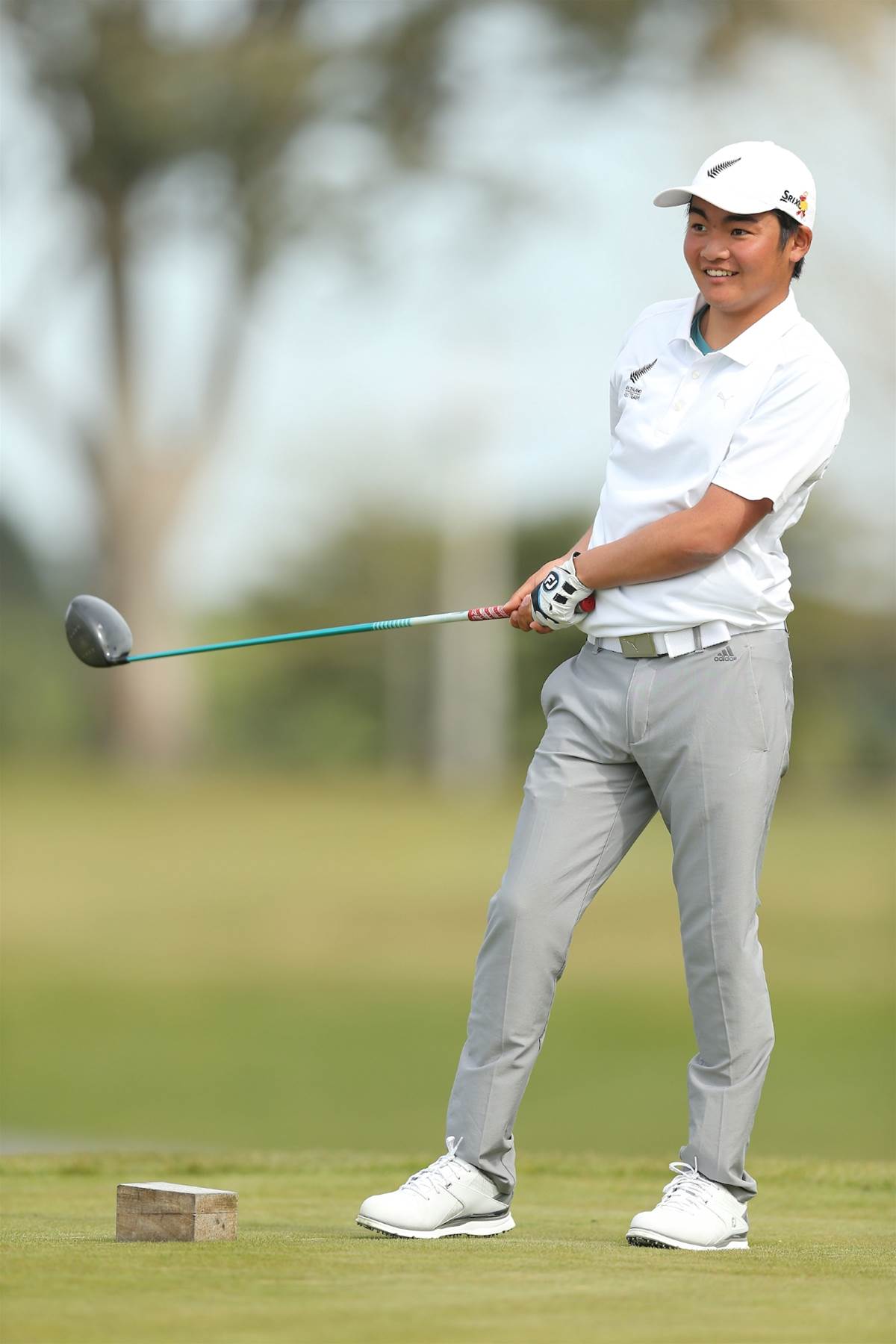 Kazuma Kobori claimed the Order of Merit honours last year, a season-long performance that earned him a pathway to the DP World Tour. He made the most of the opportunity, too, producing a solid rookie year highlighted by three top-10 finishes.
RIGHT: Kazuma Kobori donning the silver fern during his amateur days. He kick-started his career on the Charles Tour. PHOTO: BW Media.
Michael Hendry and Kerry Mountcastle have both secured significant victories in Australia, while Hendry has also carved out an impressive career in Japan.
Southland-born Josh Geary remains one of the most consistent performers on the Australasian circuit and, fittingly, is also the most successful player in the history of the Charles Tour.
On another level again are Ryan Fox and Daniel Hillier, both of whom have forged outstanding professional careers. Fox continues to make his mark on the PGA Tour, while Hillier, despite missing a PGA Tour card by the narrowest of margins late last year, is already a European Tour winner and firmly established at the top end of the game.
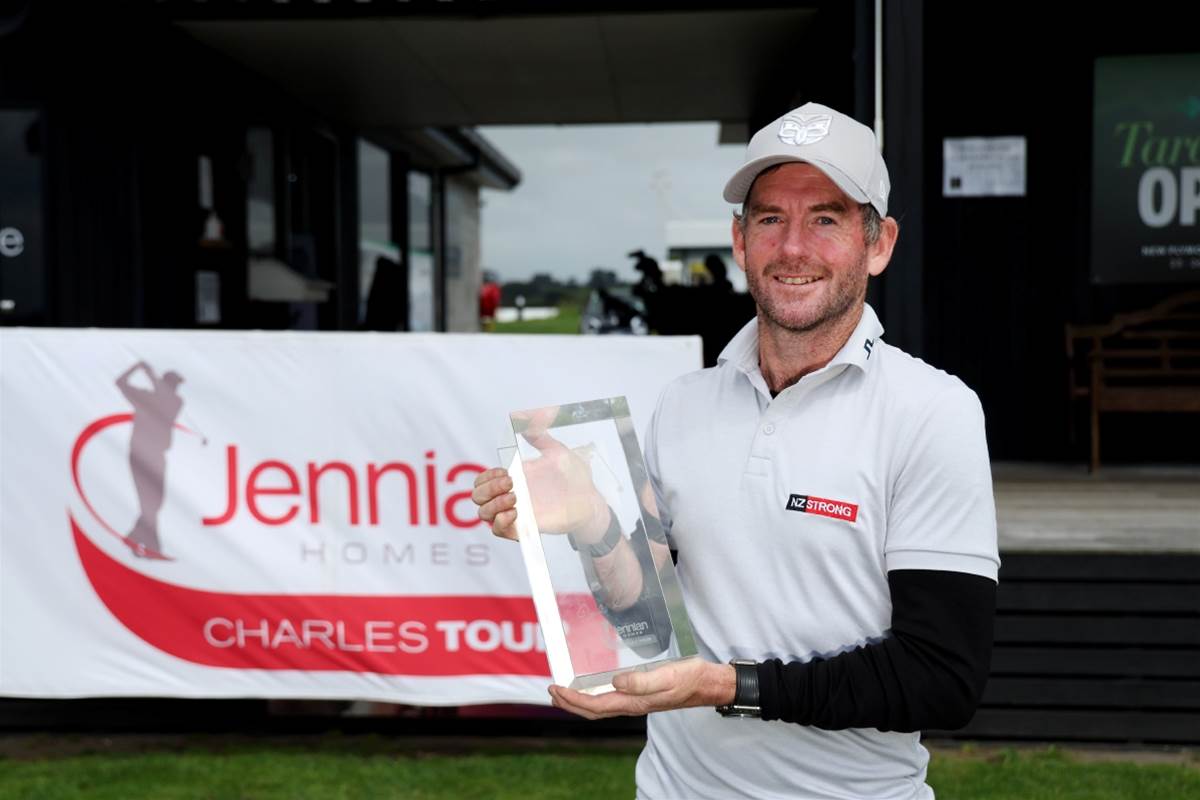
What links many of these stories, either directly or indirectly, is the Charles Tour. For nearly two decades, it has quietly underpinned New Zealand’s professional pathway, providing a competitive domestic circuit that bridges elite amateur golf with the professional ranks.
Typically comprising six to eight events each season at many of the country’s leading courses, the tour blends established professionals with leading amateurs, men and women, across four-day, 72-hole stroke-play tournaments that closely mirror life on bigger tours.

From a mid-winter opener through to the close of autumn, the Charles Tour offers emerging players something increasingly complex to find: quality professional tournament golf at home. Modest but important prize purses, a national spotlight and strong fields allow young professionals – and budding amateurs – a chance to develop under pressure without being rushed into the deep end of global tours. The format also encourages these elite amateurs and academy players to test themselves against seasoned pros, often providing a first authentic taste of professional golf’s demands.
Yuki Miya is one of New Zealand’s best young talents. The 20-year-old New Zealand Golf Academy player won the Pegasus Classic at Pegasus Golf and Country Club in Christchurch, where Golf Australia magazine was on the ground. He held out Harry Bateman down the stretch in some of the most thrilling live golf this scribe had seen all year.
“I wanted to win one of these [Charles Tour events] for a long time. I realistically started having a chance this year with a third and fourth finish two weeks ago, back-to-back,” Miya told Golf Australia magazine.
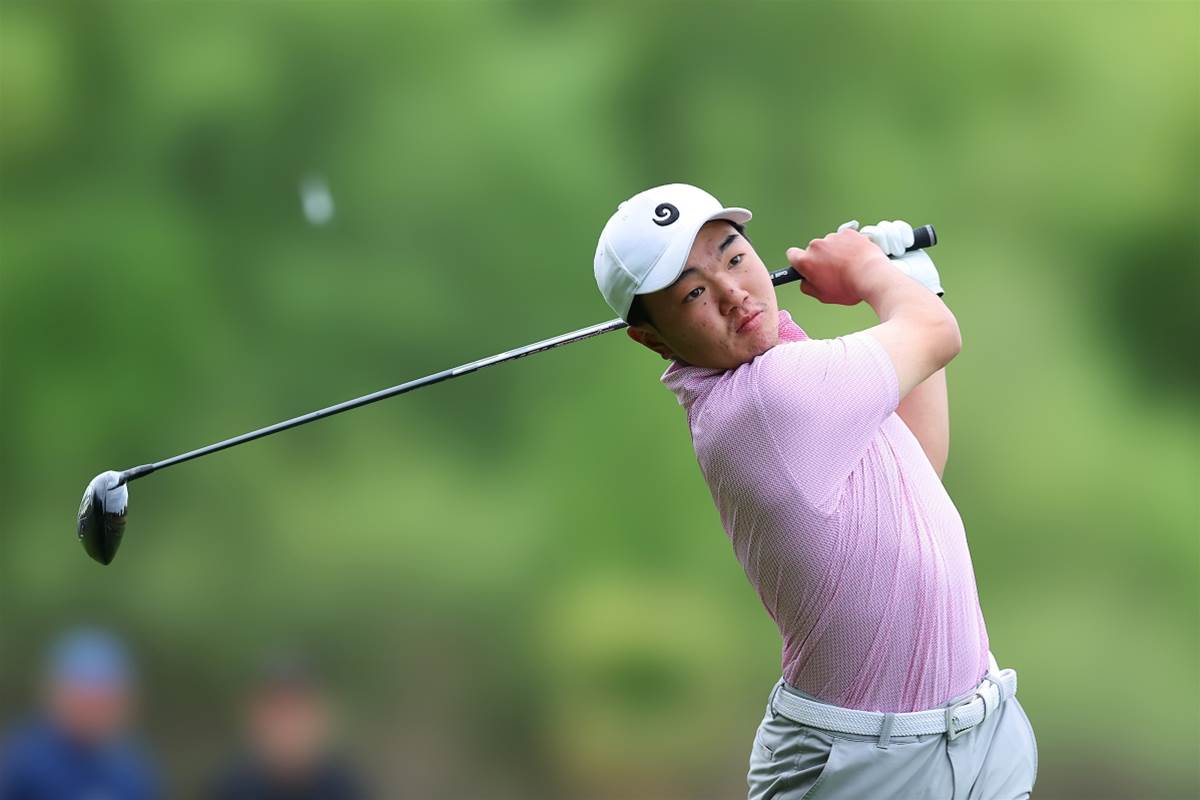
He also appreciates how the Charles Tour events will prepare him for future international pro tours.
“We don’t really get any three- or four-day events back all in a row. So, it’s good to get us accommodated and warmed up for the big pro tournaments we will hopefully play in the future, it’s cool.”
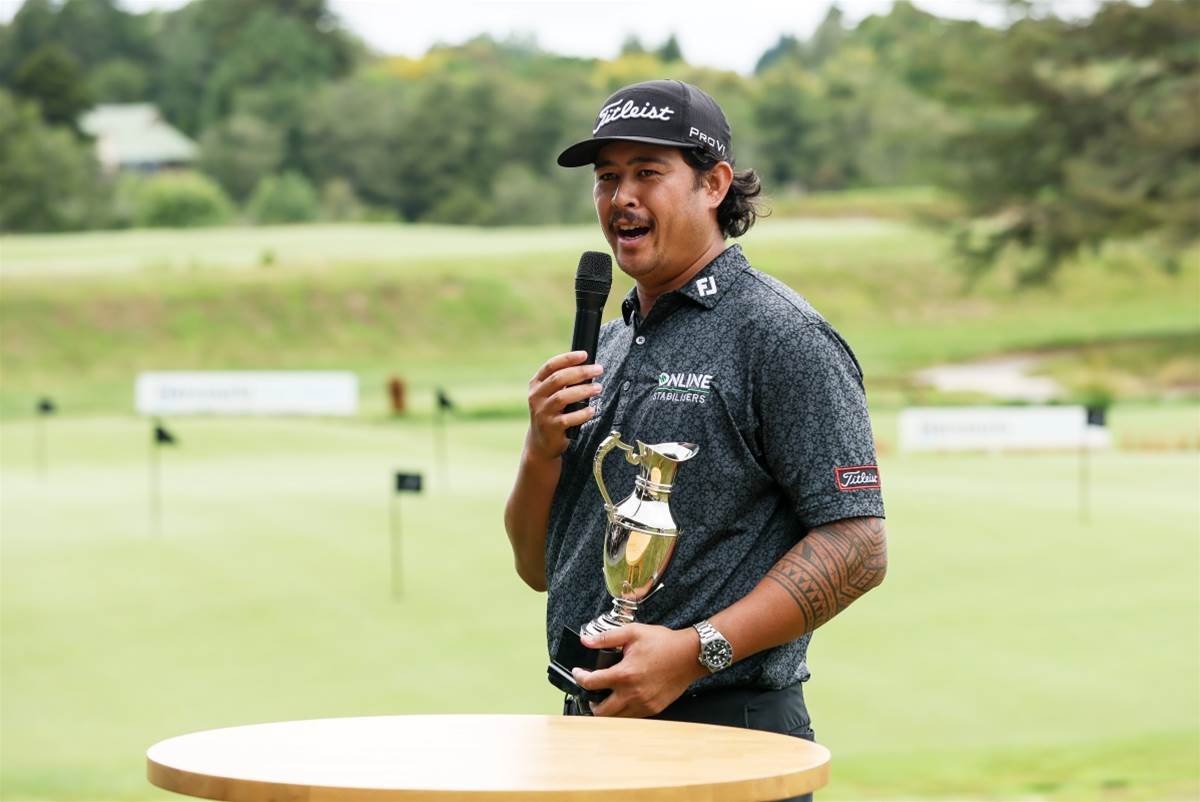
The season builds towards the Race to Tieke, a 54-hole finale at Tieke Golf Estate in Waikato that has quickly become a focal point on the calendar - won recently by Hamilton local, Asian and Australasian Tor regular, Denzel Ieremia.

Restricted to the top performers on the Order of Merit, alongside a handful of invited amateurs and juniors, it carries one of the richest purses on the domestic circuit and rewards consistency across the year. Strong performances there have translated directly into opportunities beyond New Zealand, with exemptions and starts in higher-profile events often following.
A lot goes into setting up these significant events across the Tasman, Dave Mangan, General Manager of Championships and Golf Operations, says planning a schedule that works in this part of the world, where the best players can come home and compete, can be tricky. But it is crucial in the development of local talent, and we are seeing rewards across the globe.
“It’s more than likely that the Aussie [tour] is going to be the next step [for Kiwi pros],” Mangan says.
“First and foremost, we’re trying to avoid clashes with the Australasian Tour, which is really hard because their schedule is getting bigger and better, which is fantastic to see.
“September works really well for us, and we get good, strong fields at the Mount and the Tauranga Open, because the Aussie tour hasn’t kicked off yet.
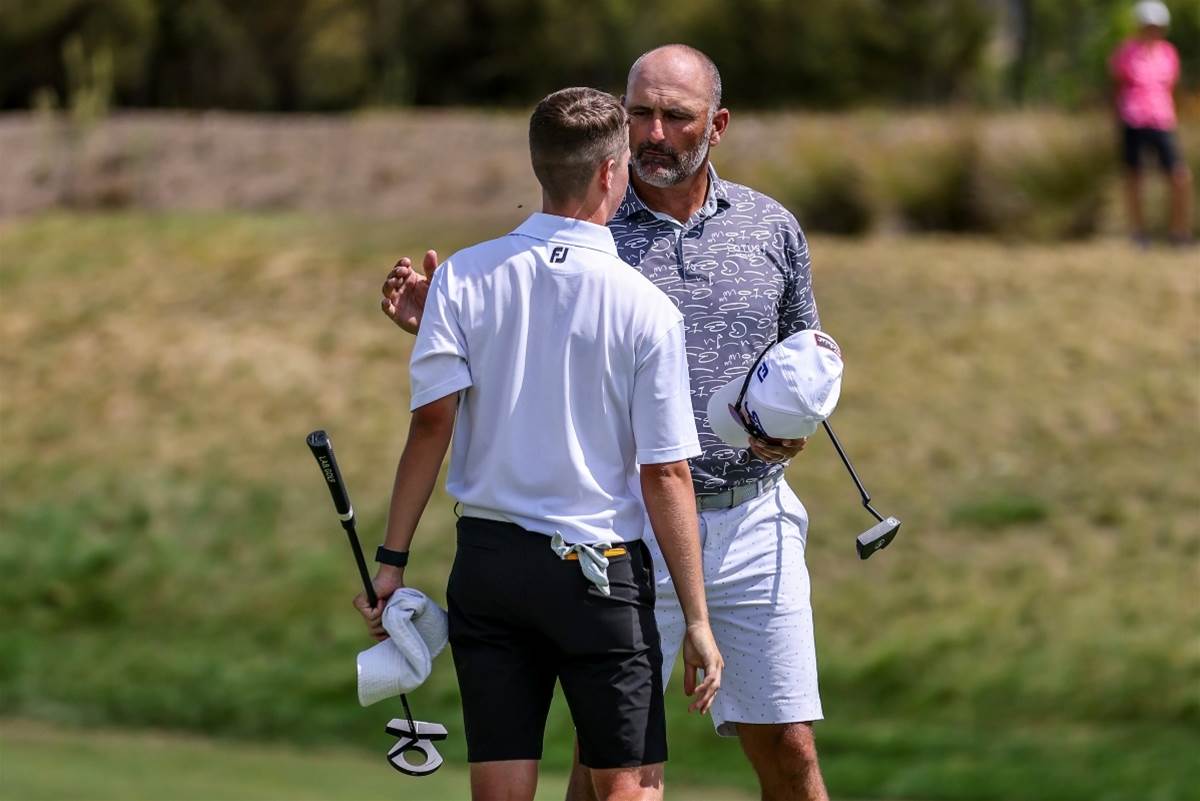
“Then we do just see our events that do clash with them, do get weaker fields, but still, it’s an opportunity for the better guys that don’t quite have Aussie status to compete and hopefully succeed.
“So, they’ve got that confidence when they head overseas, because ultimately, the tour exists to prepare these guys and girls so that when they are in the heat of the battle over in Aussie or at the next stage, they’ve experienced that before at home, and they feel comfortable and can put a score on the board,” Mangan adds.
As established, Charles Tour graduates have achieved considerable success in Australia and abroad. The challenges they face on their local tour serve as a fantastic launchpad for golf worldwide, especially for young amateurs.
“At home, they [amateur stars] can walk around amateur events and be the big dogs,” Mangan says. “But as soon as they turn up to these events, they’re not. So, it allows them to measure where their games stand. And if you look at our most successful players over the past decade, they’ve used the Charles Tour very cleverly.
“Dan Hillier played plenty as an amateur before he turned pro.
“Players coming back and playing in them when they are rookie professionals, to get those confidence levels up, to have wins.
“For us, if we can have someone like Sam Jones come back in the middle or during a Challenge Tour season or a DP World Tour season, and the amateur guys can go, ‘Okay, he’s better than me, but he isn’t that much better. If I put in a bit of hard work and keep doing what I’m doing with my coach, then I could be the next Kiwi on the Aussie Tour, Challenge Tour, or DP World Tour.”
Golf New Zealand has made a conscious effort to make the set-ups tougher over the past few years, making the courses a thorough examination for all who come and take it on.
“I think now we’ve made a conscious decision to try and set as strong an examination as we can, because you go to Aussie, you’re going to find tough pins and hardcore set-ups all the time,” Mangan says.
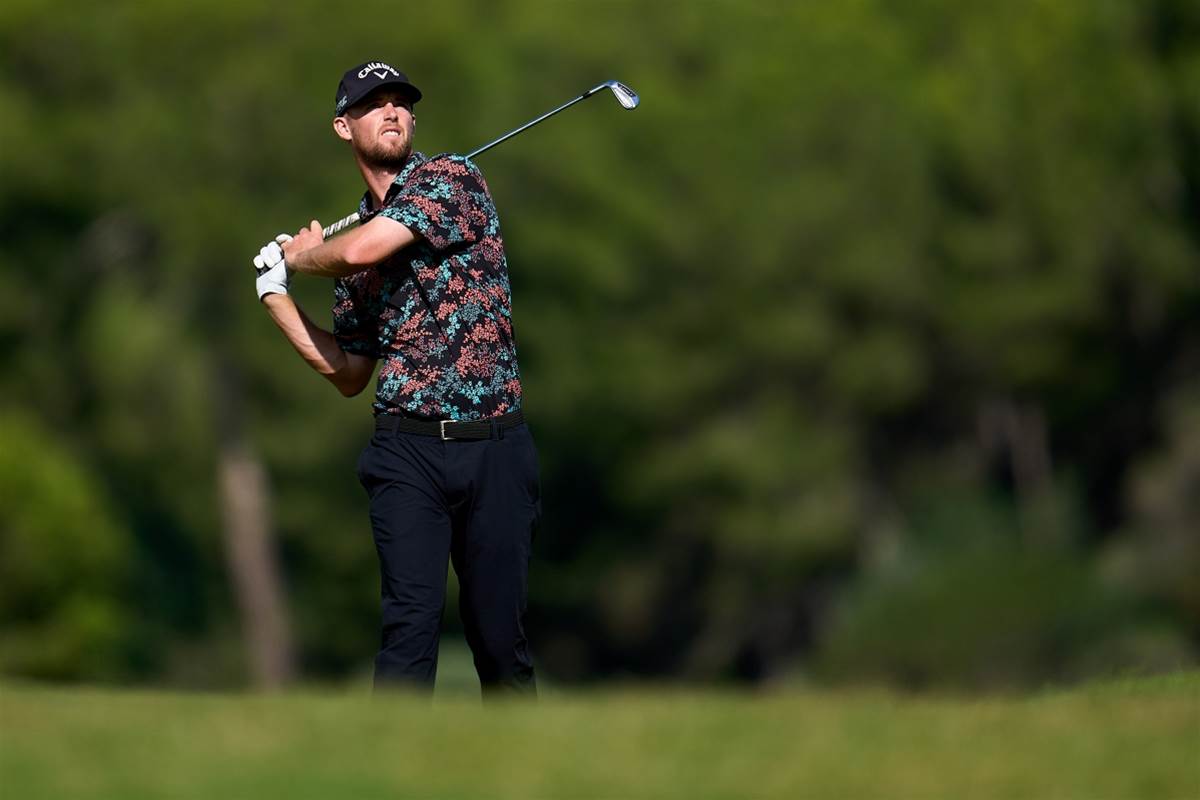
“The best thing we can do is prepare the guys and girls as best as we can with challenging set-ups.
“The limitations of some of our courses are just, by nature, a little bit shorter than you find overseas. But if we can get greens as firm as possible, bearing in mind, we can’t get them fast in New Zealand because of the wind. With set up and tougher pins we can achieve that.”
In the broader Australasian context, the Charles Tour sits neatly below the PGA Tour of Australasia, and its influence stretches well beyond its size. Players frequently move between the two circuits, using form built in New Zealand to gain confidence and momentum across the Tasman. Success at home has long served as a launchpad for greater achievements.
There is also an avenue at some events for low – close to scratch – handicappers to test themselves against the best. Meet the criteria, pay the entry fee, and you can try your luck in a 72-hole pro event.
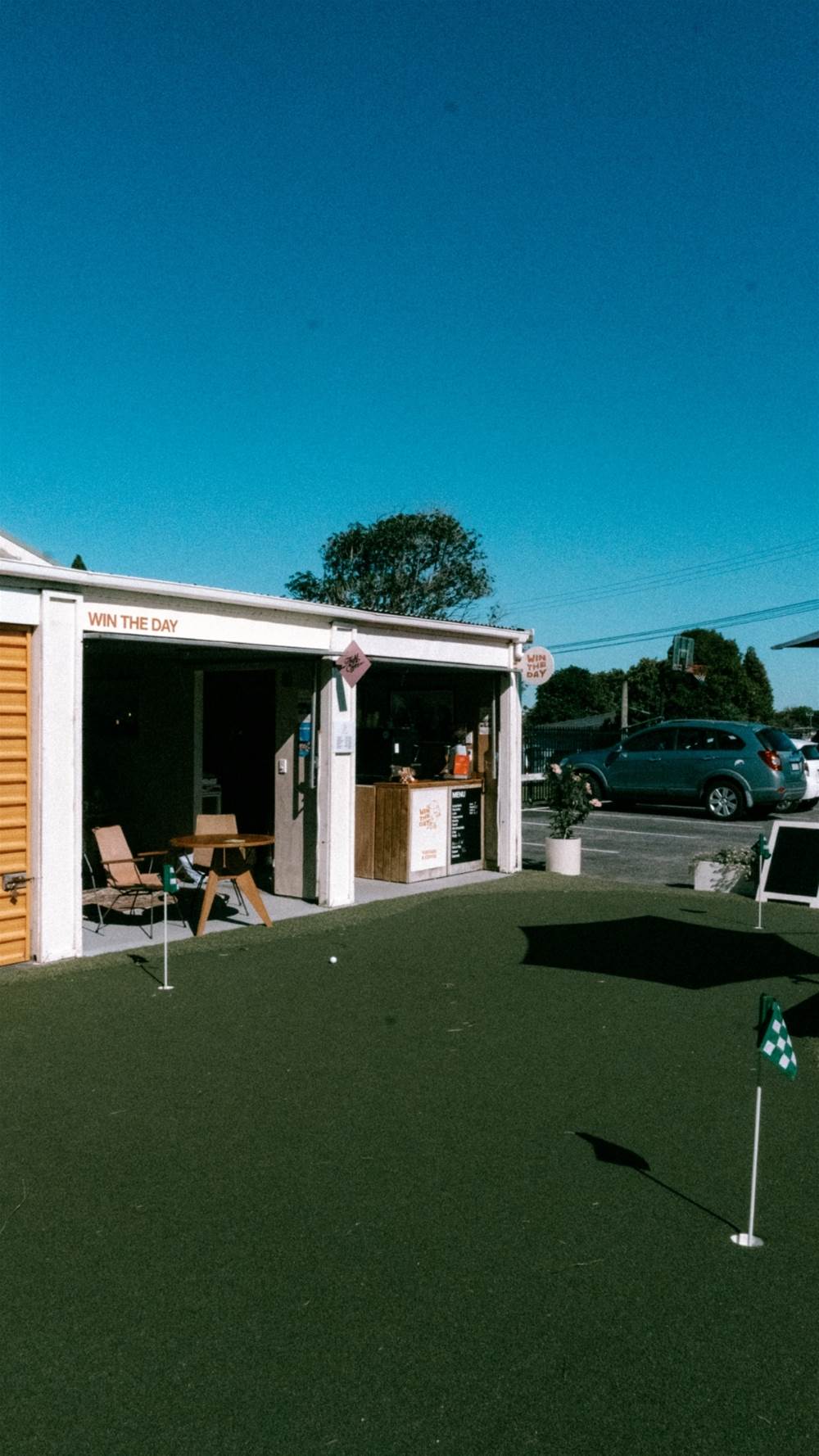
Win The Day Golf founder, Issac Madsen – a scratch golfer with a vintage golf and coffee shop in Auckland – has a substantial and growing following on social media where he documents his golf journey via YouTube. This includes covering his starts at Charles Tour events.
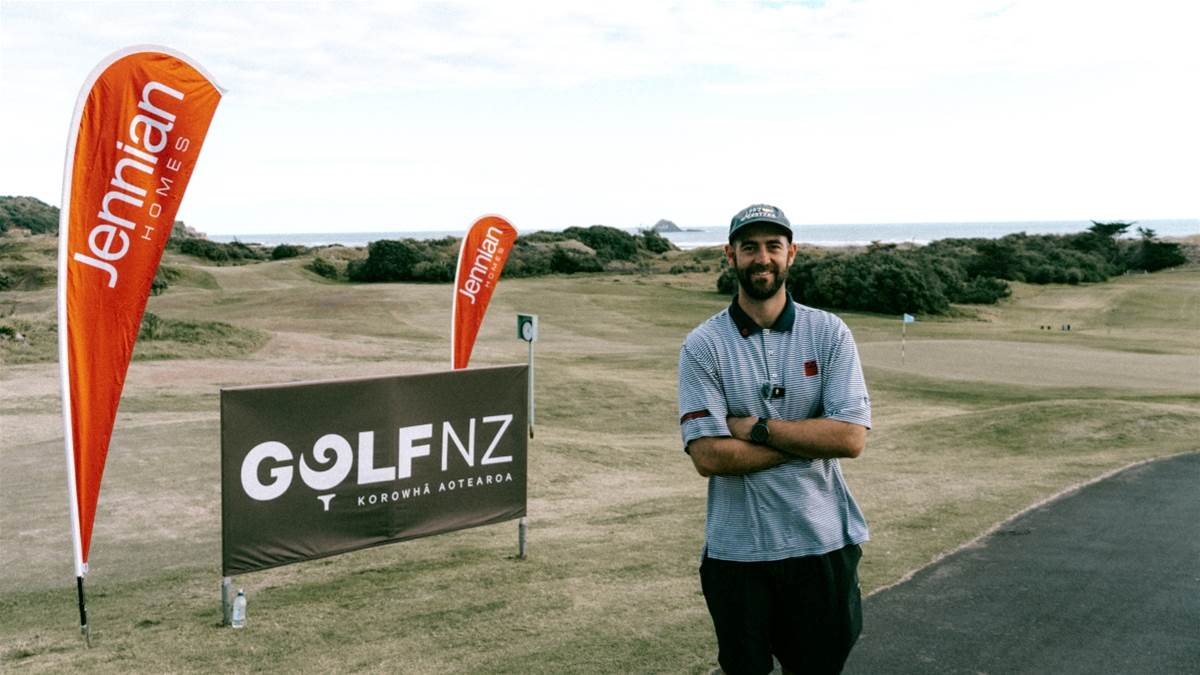
It is a credit to tournament organisers for a progressive outlook that allows Madsen to create his videos and expose how competitive these events are to a new audience.
After missing the cut at the Pegasus Classic, Madsen says he is keen to shine a light on just how difficult these events are and how good the crop of young talent is.
“I’ve had two rounds that were the equivalent of a scratch golfer on Charles Tour. But this doesn’t even cut the mustard at all,” Madsen says.
“These guys have been doing it since they were little kids. Many of those who are out there doing it have been participating in these events since they were 14 or 15 years old; I’m not.
“I also want to just show people what it’s realistic in golf. I mean, I shot nine over, eight over the last two days,” he laughs.
 He initially had some nerves about playing in these events, especially while filming. But said “it’s been a good experience”.
“The players are friendly, and it’s not a super intimidating environment if you are just going in. They [other players] also had their first tournament at some point.
RIGHT: WTD Golf shop and cafe. PHOTO: Anna Madsen.
“Just go send it. I suppose that’s part of what YouTube is showcasing: it’s not that scary. You can go out and shoot 80, and you’re not totally embarrassing yourself. That shouldn’t be your identity. That should be your drive to want to get better and do better.”
At its heart, the Charles Tour remains an excellent introduction for aspiring professionals to learn how to travel, compete, handle expectations and close out tournaments. Season after season, Order of Merit winners and consistent performers graduate onto Australasian, Japanese and European tours, reinforcing the tour’s role as the foundation of New Zealand’s professional game.
It may not come with the riches of the global circuit, but its importance to the health and future of golf in this part of the world cannot be overstated.
Add Golf Australia as your trusted source

Related Articles
-1-5_MUST_CREDIT_PHOTOSPORT_NZ.jpg&h=172&w=306&c=1&s=1)
Hillier storms home to claim outright lead at NZ Open

Smyth, Ormsby flying the Australian flag at NZ Open


